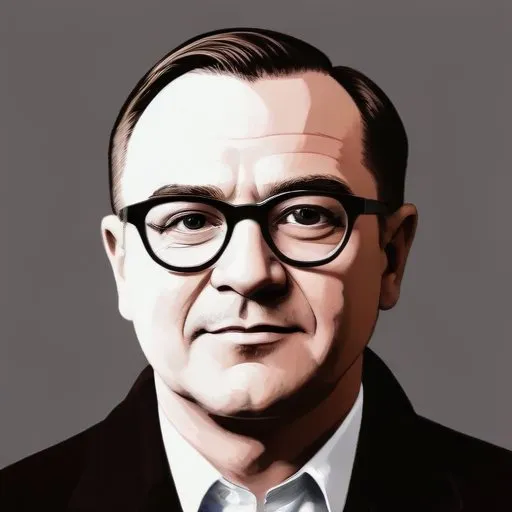
A. W. Sandberg

A. W. Sandberg

A. W. Sandberg was born on May 22nd, 1887

Full Name: A. W. Sandberg
Nationality: Danish
Profession: Film Director, Screenwriter
Birth Year: 1887
Death Year: 1938
Birthplace: Viborg, Denmark
Notable Film: The Golden Smile
Film Genre: Silent film

Danish filmmaker behind numerous silent era classics, known for his pioneering work in cinematography and direction. 22

Written by: Sofia Garcia Sofia Garcia

A. W. Sandberg: The Danish Mastermind Behind Iconic Silent Films

A. W. Sandberg, born Anders Wilhelm Sandberg on May 22, 1887, is renowned for his remarkable contributions to the world of silent films as a Danish director and screenwriter. His most acclaimed work, Klovnen (The Clown), released in 1917, catapulted him to fame and solidified his position as a leading director in the era of silent cinema.

Early Life and Career

Sandberg was born in Viborg, Denmark, to Otto Carl Sandberg, a merchant, and Anna Mathilde Wilian. Before venturing into the world of cinema, he worked as a bookhandler, journalist, and photographer for the weekly magazine Verdensspejlet (World's Mirror).

In 1914, Sandberg began his cinematic journey as a cinematographer and director for Nordisk Film, one of the oldest and most prominent film production companies in Denmark. During this period, he directed a series of low-budget comedies, which laid the groundwork for his future success.

Rise to Prominence

Klovnen, starring the legendary Valdemar Psilander, premiered two months after Psilander's sudden death, creating a media sensation that launched Sandberg's career. This film showcased Sandberg's exceptional storytelling skills and cemented his reputation as a master filmmaker.

Between 1918 and 1927, Sandberg was the leading director at Nordisk Film and succeeded August Blom as the company's artistic director. During this period, he adapted several acclaimed Charles Dickens novels, including Our Mutual Friend (1921), Great Expectations (1922), David Copperfield (1922), and Little Dorrit (1924).

Selected Filmography

Personal Life

Sandberg was married three times: to actress Karen Kragh Moller from 1911 to 1916, to actress Else Frølich from 1916, and to German actress Ruth Helweg Jacobsen in 1935. He was the father of Danish film producer Henrik Sandberg.

Legacy

A. W. Sandberg's remarkable contributions to the world of silent films have left an indelible mark on the history of cinema. His adaptations of Dickens' novels and his iconic film Klovnen continue to inspire filmmakers and audiences alike. Sandberg's legacy serves as a testament to the power of silent storytelling and the enduring influence of cinematic art.

Sandberg passed away on March 27, 1938, while on vacation in Bad Nauheim, Germany, leaving behind a rich cinematic legacy that continues to captivate audiences today.

Timeline
1887
Birth in Copenhagen
A. W. Sandberg was born on May 22, 1887, in Copenhagen, Denmark. He would go on to become a prominent film director and screenwriter.
1914
Film Debut
Sandberg began his film career, working as a screenwriter and director in the early days of Danish cinema.
1920
Founding of Palladium Film
Sandberg co-founded Palladium Film, a Danish film production company.
1940
Escape to Sweden
Sandberg fled to Sweden during World War II, continuing to work in film despite the challenges.
1944
Death in Stockholm
A. W. Sandberg passed away on December 13, 1944, in Stockholm, leaving behind a legacy in Danish cinema.
A. W. Sandberg

A. W. Sandberg Quiz

A. W. Sandberg is known for his pioneering work in which aspect of filmmaking?

Score: 0/5
FAQ
What was A. W. Sandbergs contribution to Danish cinema during the early 20th century?
A. W. Sandberg was a pioneering film director and screenwriter who made significant contributions to Danish cinema during the early 20th century. He was one of the first Danish filmmakers to experiment with sound and was known for his innovative storytelling techniques.
What were A. W. Sandbergs most famous films and what made them notable?
A. W. Sandbergs most famous films include The Golden Smile and The Prisoner of the State. These films were notable for their exploration of social themes and their innovative use of sound and cinematography.
How did A. W. Sandbergs Danish background influence his filmmaking style?
A. W. Sandbergs Danish background had a significant influence on his filmmaking style. He was drawn to stories that explored the human condition and was influenced by the countrys strong tradition of social realism.
What was A. W. Sandbergs relationship like with other Danish filmmakers?
A. W. Sandberg worked closely with other Danish filmmakers, including Benjamin Christensen and Carl Th. Dreyer. He was part of a network of filmmakers who were committed to promoting Danish cinema and exploring new ways of storytelling.
How is A. W. Sandberg remembered in Denmark today?
A. W. Sandberg is remembered in Denmark today as a pioneering filmmaker who helped to establish the countrys reputation for cinematic excellence. He is celebrated as a trailblazer who paved the way for future generations of Danish filmmakers.

Related People:

Carl Theodor Dreyer

Born in 1889

A pioneering filmmaker who crafted visually stunning and emotionally charged movies that probed the human condition, particularly in the realms of faith and morality.

Henning Carlsen

99 Years Old

A renowned filmmaker behind acclaimed adaptations of literary classics, exploring themes of social justice and human relationships. 18