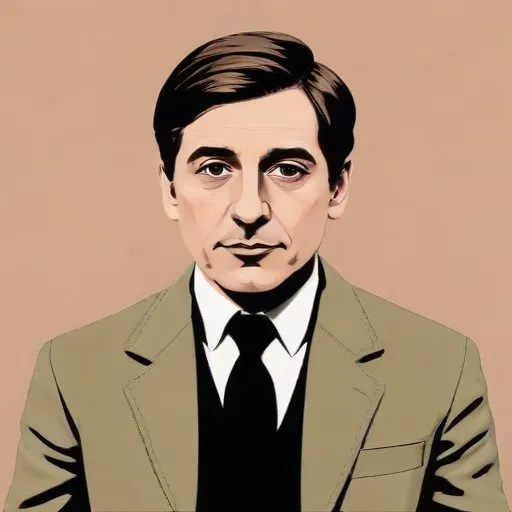
Adrian Mitchell: The Voice of the British Left and Campaign for Nuclear Disarmament
A Life of Poetry, Protest, and Passion
Adrian Mitchell, a renowned English poet, novelist, and playwright, was the forefront figure of the British left and the Campaign for Nuclear Disarmament movement for nearly half a century. With a career spanning multiple decades, Mitchell's work was characterized by its unflinching critique of war, racism, and social injustice, earning him the title of "the British Mayakovsky" by critic Kenneth Tynan.
Early Life and Education
Born on October 24, 1932, near Hampstead Heath, north London, Mitchell's early life was influenced by his mother, Kathleen Fabian, a Fröbel-trained nursery school teacher, and his father, Jock Mitchell, a research chemist from Cupar in Fife. He was educated at the Junior School of Monkton Combe School in Bath and later attended Greenways School at Ashton.
A Career of Creative Protest
Mitchell's writing career was marked by his involvement with the Campaign for Nuclear Disarmament, for which he became the foremost poet. His poetry, often laced with anger and satire, addressed issues such as nuclear war, Vietnam, prisons, and racism. His work was frequently read and sung at demonstrations and rallies, becoming an integral part of the folklore of the Left.
Poetic Contributions and Milestones
- In 2005, Mitchell's poem "Human Beings" was voted the most popular poem to be launched into space in a National Poetry Day poll.
- In 2002, he was nominated as Britain's Shadow Poet Laureate.
- Mitchell was the poetry editor of the New Statesman and was the first to publish an interview with the Beatles.
- His work with the Royal Shakespeare Company included Peter Brook's "US" and the English version of Peter Weiss's "Marat/Sade".
Influence on Modern Society
Mitchell's work had a significant impact on modern society, inspiring generations of poets, writers, and activists. His poetry and plays addressed pressing social issues, sparking conversations and driving change. His legacy continues to inspire contemporary writers and artists, ensuring his work remains relevant and thought-provoking.
Personal Milestones and Quotes
- Mitchell was inspired by the example of his favorite poet, William Blake, about whom he wrote the acclaimed "Tyger" for the National Theatre.
- He once said, "Most people ignore most poetry because most poetry ignores most people." Mitchell's work sought to counteract this notion, making poetry accessible and relevant to a wider audience.
Legacy and Impact
Adrian Mitchell's remarkable career and life's work have left an indelible mark on British literature and politics. His poetry, plays, and advocacy for social justice continue to inspire and educate new generations. As The Times noted, Mitchell's voice was "forthright, often laced with tenderness," a testament to his enduring legacy as a champion of the human spirit.
FAQ
What type of poetry did Adrian Mitchell write?
Adrian Mitchell was known for his powerful and emotive poetry, often focusing on themes of love, politics, and social justice. His poetry was characterized by its accessibility and simplicity, making it relatable to a wide audience.
What was Adrian Mitchells role in the British poetry revival of the 1960s?
Mitchell was a key figure in the British poetry revival of the 1960s, a movement that sought to make poetry more accessible and relevant to a wider audience. His poetry and performances helped to shape the movements spirit and direction.
What were some of Adrian Mitchells notable literary works?
Mitchells notable literary works include Poems, Ride the Nightmare, and Heart on the Left. His poetry collections often explored themes of love, war, and social justice.
How did Adrian Mitchells poetry reflect his political views?
Mitchells poetry often reflected his left-wing politics and anti-war sentiments. His poetry was a powerful tool for expressing his views on social justice, peace, and human rights.
What was Adrian Mitchells impact on the literary world?
Mitchells impact on the literary world was significant, inspiring a generation of poets and writers. His work helped to shape the course of British poetry and left a lasting legacy in the literary community.