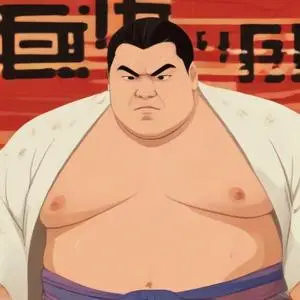
Akebono Tar: The Trailblazing Sumo Wrestler
A Pioneer in the Sport
Akebono Tar, born Chadwick Haheo Rowan, is renowned as the first non-Japanese born wrestler to reach the highest rank in sumo, yokozuna. This impressive feat was achieved in 1993, solidifying his place in history as a trailblazer in the sport.
Rise to Fame
Born on May 8, 1969, in Waimnalo, Hawaii, Akebono began his sumo journey in 1988, training under the guidance of pioneering Hawaiian wrestler Takamiyama. His swift rise up the rankings was remarkable, reaching the top division in 1990. The turning point came in 1992, when he won two consecutive tournament championships, earning him the yokozuna title.
Akebono's Rivalries and Championships
Akebono's rivalry with young Japanese hopefuls, Takanohana and Wakanohana, was a significant factor in the increased popularity of sumo in the early 1990s. During his eight-year reign as yokozuna, Akebono won eight more tournament championships, bringing his career total to eleven. Despite suffering several serious injuries, he remained a formidable opponent, with his individual head-to-heads against Takanohana remaining very close.
Akebono's Later Career and Legacy
After retiring from sumo in 2001, Akebono worked as a coach at Azumazeki stable before leaving the Sumo Association in 2003. He then pursued a career in professional wrestling, joining All Japan Pro Wrestling (AJPW). During this time, he became a two-time Triple Crown Heavyweight Champion, two-time World Tag Team Champion, and two-time All Asia Tag Team Champion. In 2015, he won the Champion Carnival, solidifying his legacy in the world of professional wrestling.
Personal Life and Citizenship
Akebono became a Japanese citizen in 1996, embracing his adopted country and its culture. Born to Randolph and Janice Rowan, he is of Hawaiian descent and grew up with two younger brothers, one of whom, Ola, also became a sumo wrestler for a brief period.
Legacy and Impact
Akebono's impact on the world of sumo and professional wrestling is undeniable. He paved the way for non-Japanese wrestlers, breaking down cultural barriers and inspiring a new generation of athletes. His impressive career achievements and charitable work have cemented his place as a beloved figure in Japanese sports.
Trivia and Fun Facts
- Akebono was one of the tallest and heaviest wrestlers in sumo history.
- He attended Kaiser High School, where he played basketball and became an all-star center.
- Akebono retired from professional wrestling in 2017 due to health problems.
In Conclusion
Akebono Tar's incredible journey serves as a testament to his dedication, perseverance, and pioneering spirit. As a trailblazer in sumo and professional wrestling, he has left an indelible mark on the world of sports, inspiring future generations to follow in his footsteps.
FAQ
What is Akebono Tarōs sumo career like?
Akebono Tarō is a former sumo wrestler who competed at the top division level from 1993 to 2001. He won 11 top division championships and was promoted to yokozuna, the highest rank in sumo, in 1993.
What is Akebono Tarōs cultural significance in Japan?
Akebono Tarō is considered a cultural icon in Japan, being the first non-Japanese-born wrestler to reach the rank of yokozuna. He has been praised for his contributions to the sport and his role in popularizing sumo worldwide.
What is Akebono Tarōs post-sumo career like?
After retiring from sumo, Akebono Tarō pursued a career in professional wrestling, competing for All Japan Pro Wrestling and World Wrestling Entertainment. He has also worked as a sumo commentator and analyst.
What health issues has Akebono Tarō faced?
Akebono Tarō has faced several health issues, including a heart condition that required surgery in 2017. He has also spoken publicly about his struggles with diabetes and weight gain after retiring from sumo.
What philanthropic work has Akebono Tarō been involved in?
Akebono Tarō has been involved in several charitable initiatives, including working with the Japanese Red Cross Society and participating in disaster relief efforts. He has also supported various childrens organizations and health-related charities.