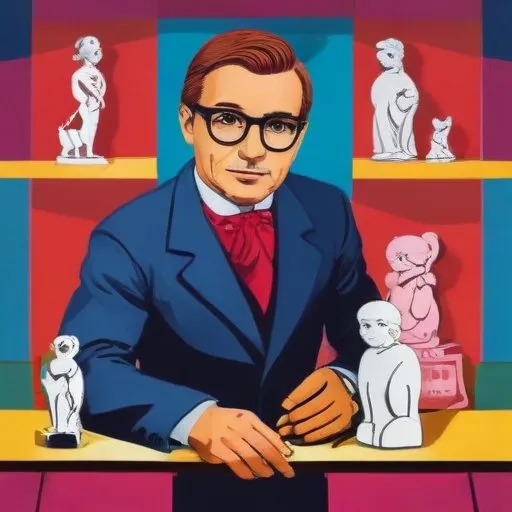
Albert Marque: The Celebrated Sculptor and Doll Maker
A Master of Capturing Childhood Innocence
Albert Marque, a French sculptor and doll maker, is renowned for his exquisite creations that capture the essence of childhood innocence. Born in 1872 in Nanterre, Hauts-de-Seine, Marque's work has been admired and respected for over a century, particularly for his sculptures of children.
The Confusion with Fauvism
Often mistaken for the French Fauvist painter
Albert Marquet, Marque's work shares a unique story with the origin of the term Fauvism. According to
Henri Matisse, art critic Louis Vauxcelles exclaimed "Donatello chez les fauves" (Donatello among the wild beasts) upon seeing Marque's bust on display alongside Fauvist paintings, including Marquet's works.
The Creation of A. Marque Dolls
During World War I, Marque was commissioned by Jeanne Margaine-Lacroix's Parisian couture fashion house to create 100 fashion dolls. These dolls, dressed in custom-made outfits, were exhibited in Paris in 1915. The dolls represented regional French royalty and peasantry, celebrating France and French culture. Today, they are highly valued in doll collecting and considered the most desirable dolls, with one setting the world record for an antique doll at auction in 2014.
A Celebration of French Culture
Marque's dolls were more than just toys; they were artistic works that honored French culture during a time of war. Each doll was dressed in intricate costumes, showcasing France's rich heritage. This collection of dolls not only displayed Marque's exceptional craftsmanship but also served as a testament to French pride.
Legacy and Impact
Albert Marque's work has left an indelible mark on the world of art and doll making. His dolls have become highly sought after by collectors, and his sculptures continue to inspire artists and enthusiasts alike. Marque's legacy serves as a reminder of the power of art to capture the essence of human experience and to celebrate cultural heritage.
Personal Milestones and Key Life Events
- Born in 1872 in Nanterre, Hauts-de-Seine, France
- Became renowned for his sculptures of children in the late 19th and early 20th centuries
- Created 100 fashion dolls for Jeanne Margaine-Lacroix's fashion house during World War I
- Exhibited dolls in Paris in 1915
- Passed away in 1939
Inspirational Quotes
Though there are no direct quotes from Albert Marque, his work speaks volumes about the importance of capturing the beauty of childhood and celebrating cultural heritage.
Historical Context and Legacy
Albert Marque's work stands as a testament to the power of art to transcend time and cultures. His dolls and sculptures continue to inspire generations of artists, collectors, and enthusiasts, ensuring his legacy as a celebrated sculptor and doll maker.
FAQ
What was Albert Marques contribution to doll making?
Albert Marque was a renowned French sculptor and doll maker, creating exquisite, hand-painted porcelain dolls that captivated collectors and connoisseurs. His dolls are highly prized for their beauty, craftsmanship, and rarity.
How did Albert Marques art training influence his doll making?
Albert Marques training as a sculptor informed his doll making, as he brought a high level of craftsmanship and attention to detail to his creations. His artistic background enabled him to infuse his dolls with a sense of elegance and refinement.
What inspired Albert Marques doll designs?
Albert Marques doll designs were inspired by his fascination with 18th-century French art and culture. He drew upon the works of French masters, such as François Boucher and Jean-Honoré Fragonard, to create his unique, Rococo-style dolls.
How did Albert Marque balance his artistic career with commercial success?
Albert Marque successfully balanced his artistic career with commercial success, as his dolls were highly sought after by collectors and connoisseurs. He catered to a discerning clientele, creating bespoke dolls that met their exacting standards.
What legacy did Albert Marque leave behind?
Albert Marques legacy extends beyond his beautiful dolls, as he inspired future generations of doll makers and artists. His work continues to be celebrated for its craftsmanship, elegance, and timeless beauty.