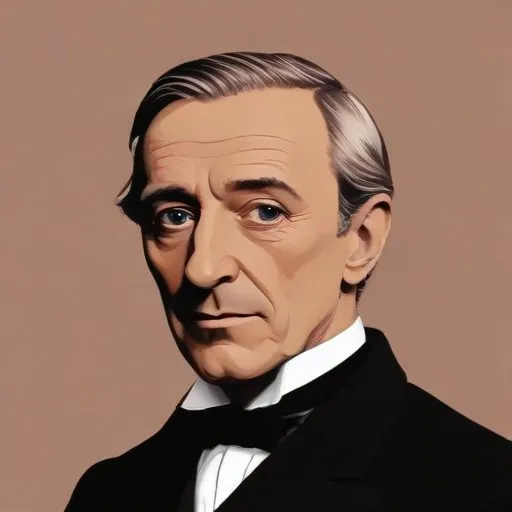
Alfred Noyes: The Poetic Mastermind Behind "The Highwayman"
A Legendary Poet, Playwright, and Short Story Writer
Alfred Noyes is renowned for his captivating poetry, particularly his iconic work, "The Highwayman", which has entwined itself into the fabric of British literature. As a poet, short story writer, and playwright, Noyes' literary contributions have left an indelible mark on the world of English literature.
Early Life and Inspirations
Born on September 16, 1880, in Wolverhampton, England, Noyes spent his formative years in Aberystwyth, Wales, where his father taught Latin and Greek. The rugged Welsh coast and majestic mountains instilled in him a deep love for nature, which would later become a hallmark of his poetry.
A Rising Star in the Literary World
In 1898, Noyes left Aberystwyth for Exeter College, Oxford, where he distinguished himself at rowing. However, his academic pursuits took a backseat when he failed to attend his finals in 1903, opting instead to meet with his publisher to arrange the publication of his first volume of poems, "The Loom of Years" (1902). This bold move marked the beginning of a remarkable literary career.
A Prolific Poetic Phase
Between 1903 and 1913, Noyes published five more volumes of poetry, including "The Flower of Old Japan" (1903) and "Poems" (1904). During this period, he crafted some of his most celebrated works, such as "The Barrel-Organ" and, of course, "The Highwayman", which was first published in 1906.
The Timeless Allure of "The Highwayman"
In 1995, a BBC nationwide poll declared "The Highwayman" the nation's 15th favorite poem, a testament to its enduring appeal. This haunting tale of love, loss, and betrayal continues to captivate readers to this day, solidifying Noyes' place in the pantheon of great English poets.
A Versatile Literary Career
Noyes' literary talents extended far beyond poetry. His epic work, "Drake" (1906-1908), a 200-page blank verse tribute to the Elizabethan naval commander Sir Francis Drake, showcased his mastery of narrative and style. He also ventured into playwriting with "Sherwood" (1911), reissued in 1926 as "Robin Hood", and penned popular poems like "A Song of Sherwood" (1911).
A Life of Love, Adventure, and Creativity
In 1907, Noyes married G., and the couple soon set off for America, where they would spend several years. This period of his life was marked by adventure, creative exploration, and a deepening passion for his craft.
A Legacy That Endures
Throughout his life, Noyes' work was characterized by a deep love for nature, a mastery of language, and a profound understanding of the human experience. His poetry and plays continue to inspire new generations of readers and writers, ensuring that his legacy will endure for centuries to come.
FAQ
What literary movements was Alfred Noyes associated with?
Alfred Noyes was a prominent figure in the Georgian poetry movement, which sought to revive traditional forms and celebrate the beauty of nature and the human experience.
What is Alfred Noyess most famous poem?
Alfred Noyess poem The Highwayman is a classic of English literature, telling the tale of a lovers tragedy and featuring some of Noyess most haunting and evocative language.
What was Alfred Noyess educational background?
Alfred Noyes studied at Exeter College, Oxford, where he developed his passion for poetry and literature.
What awards did Alfred Noyes receive for his work?
Alfred Noyes was awarded the Queens Gold Medal for Poetry in 1953, recognizing his lifetime of achievements in the field of literature.
How did Alfred Noyess work impact the literary world?
Alfred Noyess poetry and plays helped to shape the literary landscape of the early 20th century, influencing a generation of writers and solidifying his place as a major figure in English literature.