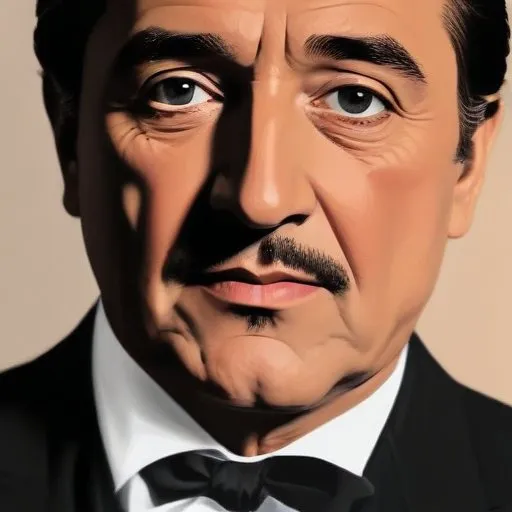
Alfredo Kraus: The Tenor of Elegance
A Master of Bel Canto Opera
Alfredo Kraus, the renowned Spanish tenor, was celebrated for his exceptional artistry in bel canto operas, particularly in the title role of Massenet's
Werther, where his performances were nothing short of mesmerizing. With a voice that exuded elegance, refinement, and emotional depth, Kraus left an indelible mark on the world of opera, earning him a place among the greatest tenors of all time.
Early Life and Training
Born on November 24, 1927, in Las Palmas de Gran Canaria, Kraus was the son of an Austrian father and a Spanish mother. His early life was steeped in music, with piano lessons beginning at the age of four and singing in the school choir by eight. His older brother, Francisco Kraus Trujillo, a baritone, would later become his musical companion and study partner.
A Career of Distinction
Kraus refined his craft singing Spanish zarzuela in Madrid and Barcelona before making his professional opera debut in Cairo in 1956 as the Duke in
Rigoletto. This iconic role would become one of his signature performances. In 1958, he shared the stage with
Maria Callas in a production of
La traviata at the Teatro Nacional de São Carlos in Lisbon, a performance that was later immortalized in a live recording.
A Worldwide Sensation
Kraus's international career took off with his Covent Garden debut as Edgardo in
Lucia di Lammermoor in 1959, followed by his La Scala debut as Elvino in
La sonnambula in 1960. He made his American debut with the Lyric Opera of Chicago in 1962, and his Metropolitan Opera debut in 1966, again as the Duke in
Rigoletto. This role would be his final performance at the Met in 1994.
Expanding the Repertoire
In the ensuing decades, Kraus expanded his repertoire to include Italian operas like
Lucrezia Borgia,
La fille du régiment,
Linda di Chamounix,
Don Pasquale, and
La favorita by Donizetti. He also explored French operas such as
Romo et Juliette,
Les contes d'Hoffmann,
Faust, and
Lakmé, while continuing to perform his hallmark roles of Werther and Des Grieux in
Manon.
Legacy and Impact
Alfredo Kraus's legacy extends far beyond his impressive repertoire. He was a true ambassador of opera, known for his dedication to the art form and his passion for passing on his knowledge to future generations. Through his recordings and performances, Kraus continues to inspire audiences and artists alike, solidifying his place as one of the greatest tenors of the 20th century.
Ongoing Inspiration
Kraus's influence can be seen in the many tenors who have followed in his footsteps, including
Plácido Domingo,
José Carreras, and Juan Diego Flórez. His commitment to the integrity of the score, his respect for the composers, and his ability to convey the emotional depth of the characters he portrayed have set a high standard for generations to come.
Awards and Honors
Throughout his career, Kraus received numerous awards and honors, including the Spanish government's Gold Medal of Merit in Fine Arts, the Premio Nacional de Música, and the honorary title of Kammersänger.
Personal Milestones
Kraus's personal life was marked by two significant milestones: his marriage to his wife, Concepción, and the birth of their two children, Patricia and Alfredo. Despite his demanding career, Kraus remained deeply committed to his family, often citing them as his greatest source of inspiration and support.
A Lasting Legacy
Alfredo Kraus's passing on September 10, 1999, marked the end of an era, but his legacy lives on through his countless recordings, performances, and the countless lives he touched throughout his illustrious career. As a testament to his enduring impact, Kraus remains an icon of elegance, refinement, and artistic excellence, inspiring future generations of artists and audiences alike.