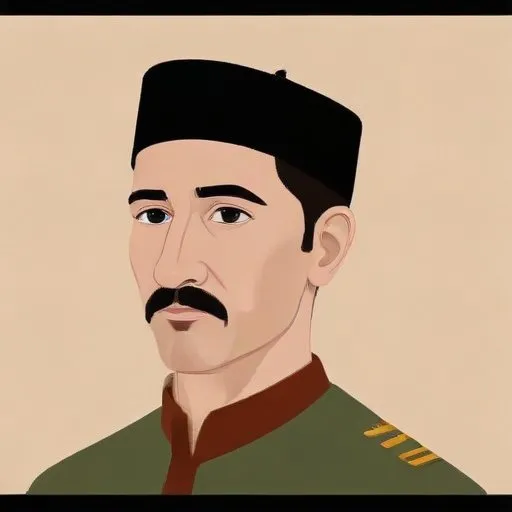
Andreas Alfldi: The Visionary Historian and Archaeologist of the Late Antique Period
A Prolific Scholar of Ancient Civilizations
Andreas Alfldi was a Hungarian historian, art historian, epigraphist, numismatist, and archaeologist who specialized in the Late Antique period. He is renowned for his groundbreaking research and contributions to the field of ancient history, earning him a reputation as one of the most productive 20th-century scholars of the ancient world.
Early Life and Education
Born on August 27, 1895, in the Austro-Hungarian Empire, Alfldi was the son of a doctor. Despite facing financial difficulties after his father's death in 1910, he persevered and pursued his studies of classical history. He developed an interest in classical numismatics, which was a neglected area of study in Hungary at the time.
Military Service and Its Impact
Like many young men of his era, Alfldi participated in World War I. He was a highly decorated soldier and sustained a severe injury, which led to his dismissal from the military in 1917. This experience had a profound impact on his life, and he looked back on his service with pride. His military service also instilled in him an interest in military and strategic subjects, which he maintained throughout his life.
Academic Career and Contributions
In 1923, Alfldi was appointed chair of Ancient History at the University of Debrecen. Later, in 1930, he secured a prestigious chair at the University of Budapest. His research focused on the Late Antique period, and he made significant contributions to the field through his work on epigraphy, numismatics, and archaeology.
Alfldi's most notable contribution was his involvement in the Cambridge Ancient History project, where he co-authored Volume 12: The Imperial Crisis and Recovery. This monumental work cemented his reputation as a leading researcher of the ancient world.
Controversies and Criticisms
While Alfldi's work was groundbreaking, some of his research results were controversial. Critics argued that his interpretations were sometimes subjective and biased, which led to debates within the academic community. Despite these criticisms, his contributions to the field of ancient history remain significant and far-reaching.
Late Career and Legacy
In 1955, Alfldi became a professor at the Institute for Advanced Study in Princeton, New Jersey. He continued to research and write until his death on February 12, 1981. Alfldi's legacy is that of a visionary scholar who expanded our understanding of the ancient world. His work continues to inspire and influence historians, archaeologists, and researchers to this day.
Quotes and Memorable Sayings
- "The study of ancient civilizations is not mere antiquarianism, but a search for the roots of our own culture."
Awards and Honors
Alfldi received numerous awards and honors for his contributions to the field of ancient history, including the Hungarian Academy of Sciences' highest award.
Personal Life and Anecdotes
Alfldi's love for military history and strategy extended beyond his academic pursuits. He was known to engage in lively debates with his colleagues and friends, often using his military experiences to illustrate historical concepts.
Impact on Modern Society
Alfldi's work has had a profound impact on modern society, influencing our understanding of ancient civilizations and their contributions to modern culture. His research has also inspired new generations of historians, archaeologists, and scholars to explore the ancient world.
FAQ
Who was Andreas Alföldi and what was his contribution to archaeology?
Andreas Alföldi was a Hungarian archaeologist and historian, known for his contributions to the field of ancient Roman archaeology. He was a specialist in Roman imperial history and numismatics.
What was Andreas Alföldis most significant archaeological discovery?
Andreas Alföldis most significant archaeological discovery was the excavation of the Roman province of Pannonia, which revealed important insights into Roman provincial administration and urbanization.
How did Andreas Alföldis research impact our understanding of ancient Rome?
Andreas Alföldis research had a significant impact on our understanding of ancient Rome, particularly in the areas of imperial politics, provincial administration, and Romanization.
What was Andreas Alföldis approach to archaeological research?
Andreas Alföldis approach to archaeological research was characterized by a strong emphasis on interdisciplinary research, combining archaeological, historical, and numismatic evidence to reconstruct the past.
How is Andreas Alföldi remembered in the history of archaeology?
Andreas Alföldi is remembered as a leading figure in the field of ancient Roman archaeology, known for his rigorous research and important discoveries. He is celebrated as a pioneer in the field of Roman provincial archaeology.