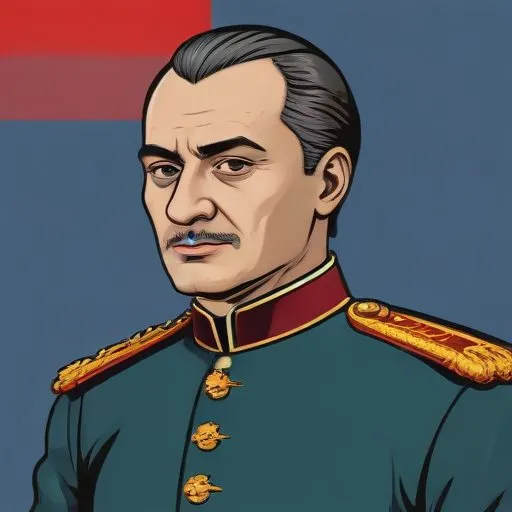
Andreas Dudith: A Hungarian Nobleman, Bishop, and Humanist of Croatian and Italian Origin
Who is Andreas Dudith?
Andreas Dudith, also known as Andrija Dudić Orehoviki, was a Croatian-Hungarian nobleman, bishop, humanist, and diplomat in the Kingdom of Hungary. He is renowned for his significant contributions to the Council of Trent, his commitment to religious tolerance, and his associations with prominent figures of the time.
Early Life and Education
Born on February 5, 1533, in Buda, Kingdom of Hungary, Dudith was raised in a noble family of Croatian and Italian origin. His father, Jeromos Dudits, was a Croatian, while his mother was an Italian. He received his education in Wrocław, Italy, Vienna, Brussels, and Paris, which exposed him to diverse cultural and intellectual influences.
Rise to Prominence
In 1560, King Ferdinand I appointed Dudith bishop of Knin, Croatia. This marked the beginning of his prominent career as a diplomat and humanist. He later participated in the Council of Trent (1545-1563), where he advocated for the laity to receive the Chalice, in accordance with the king's wishes.
Philosophical Contributions and Beliefs
Dudith's humanist background and education shaped his philosophical outlook. He was an Erasmian humanist who condemned religious intolerance from both Protestants and Catholics. He sympathized with Socinian Antitrinitarianism, a movement that emphasized the oneness of God, and maintained correspondences with prominent Antitrinitarians, including Giorgio Blandrata, Jacob Paleologus, and
Fausto Sozzini.
Personal Milestones and Key Life Events
- In 1565, Dudith was appointed bishop of Pécs and became an ambassador of Maximilian in Poland, where he married and later resigned his see.
- He sympathized with the Bohemian Brothers in Moravia and supported their cause.
- Dudith's house in Kraków served as a hub for prominent Antitrinitarians, including Jacob Paleologus.
Influence on Modern Society
Andreas Dudith's commitment to religious tolerance and his associations with prominent figures of the time have had a lasting impact on modern society. His humanist ideals and contributions to the Council of Trent continue to inspire scholars and historians today.
Legacy
Dudith passed away on February 22, 1589, in Wrocław and was buried in the Saint Elizabeth Lutheran Church. His legacy as a diplomat, humanist, and bishop has endured, and his name remains synonymous with religious tolerance and intellectual curiosity.
Quotes and Memorable Sayings
- "Condemning intolerance, whether from Protestants or Catholics, is crucial for a harmonious society."
- "Education should foster understanding, not division."
Historical Context and Legacy
Andreas Dudith's life and contributions are a testament to the complexities of the 16th century. His commitment to religious tolerance and humanist ideals continues to inspire scholars and historians, offering valuable insights into the tumultuous era in which he lived.
FAQ
What was Andreas Dudiths occupation?
Andreas Dudith was a Croatian-Hungarian nobleman and diplomat who served as the Imperial Ambassador to the Ottoman Empire and the Kingdom of Poland.
What was Andreas Dudiths role in Ottoman-Habsburg relations?
Andreas Dudith played a crucial role in negotiating the Treaty of Constantinople in 1562, which established a temporary peace between the Ottoman Empire and the Habsburgs.
What was Andreas Dudiths relationship with the Habsburgs?
Andreas Dudith was a trusted advisor to the Habsburgs, particularly Emperor Maximilian II, and played a key role in shaping their foreign policy towards the Ottoman Empire and Eastern Europe.
What were Andreas Dudiths contributions to diplomacy?
Andreas Dudiths contributions to diplomacy include his innovative approaches to negotiation and his ability to navigate complex international relationships.
What is Andreas Dudiths legacy?
Andreas Dudiths legacy is marked by his significant contributions to diplomacy, his role in shaping Ottoman-Habsburg relations, and his influence on the politics of the time.