


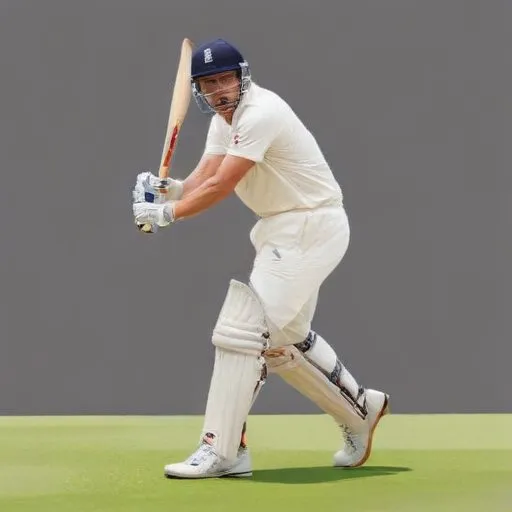
An English cricketer who played first-class cricket for Oxford University and was a right-arm medium-pace bowler and a right-handed batsman. He took 113 wickets in his 63-match career.
Andrew Greenwood is famously known as a member of the England team that played in the first two Test matches, retrospectively recognized, and a skilled cricketer who made his mark on the field with his gutsy batting and exceptional fielding skills. Born on August 20, 1847, in Huddersfield, West Riding of Yorkshire, Greenwood left an indelible legacy in the cricketing world.
Greenwood began his first-class cricket career with Yorkshire County Cricket Club in 1869 and continued to play for the team until 1880. During his career, he scored 4,307 runs in 141 first-class matches, averaging 18.32 runs per completed innings, with a highest score of 111, his sole century. He also scored 18 half-centuries and was rarely called upon to bowl, but his fielding skills in the deep earned him recognition.
Greenwood's most notable achievement was being part of James Lillywhite's team that toured Australia and New Zealand in 1876-1877. He played in both matches against the Combined Australian XI, which were later recognized as the first-ever Test matches. His contributions to the team's success in these matches cemented his place in cricketing history.
Greenwood's life was cut short when he died on February 12, 1889, in Huddersfield, West Riding of Yorkshire. Despite his early passing, his contributions to cricket have endured, making him a celebrated figure in the sport's history. His legacy serves as an inspiration to cricketers and sports enthusiasts alike.
Greenwood's involvement in the early Test matches helped shape the course of cricket's development. His skills and dedication to the sport paved the way for future generations of cricketers. His story serves as a testament to the power of perseverance and hard work in achieving success in any field.
Andrew Greenwood's remarkable cricketing career and his involvement in the first Test matches have secured his place in the annals of cricketing history. His legacy continues to inspire and influence modern cricket, making him a true pioneer of the sport.
Born in 1903
A dominant right-handed batsman and successful coach who held multiple records for his impressive cricketing career, including the highest individual Test score for England.
66 Years Old
A former All Blacks captain and chairman of the New Zealand Rugby Union, known for his leadership and contributions to the sport's governance.
Born in 1894
A renowned opening batsman who dominated cricket in the early 20th century, known for his exceptional defensive skills and record-breaking partnerships.
Born in 1916
A highly skilled batsman and captain of the English cricket team, known for his exceptional technique and leadership during the post-war era.
Born in 1918
A charismatic English cricketer and sportscaster, renowned for his exceptional batting skills and entertaining broadcasting style, which captivated audiences on and off the field.
Born in 1900
English first-class cricketer who played for Kent and Oxford University, known for his impressive bowling skills and taking 104 wickets in a single season.
Born in 1918
A legendary fast bowler who took 236 wickets in 51 Tests, known for his unorthodox bowling action and ability to swing the ball at high speed.
Born in 1922
A legendary English cricketer who took a record 19 wickets in a single Test match, later becoming a renowned cricket commentator.
