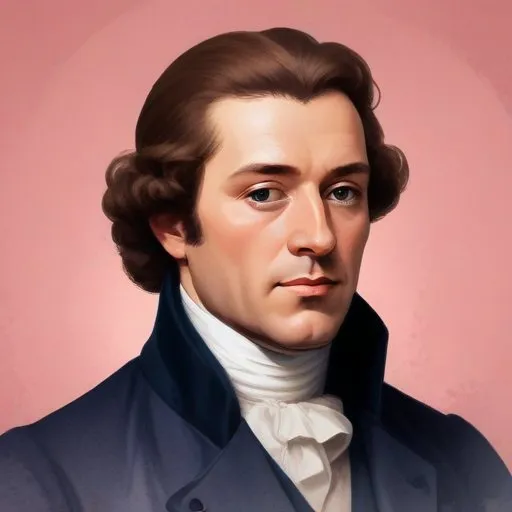
Anthony Ashley-Cooper, 3rd Earl of Shaftesbury: A Champion of Whig Politics and Enlightenment Values
Early Life and Education
Anthony Ashley-Cooper, 3rd Earl of Shaftesbury, was a prominent English peer, philosopher, and writer, known for his unwavering commitment to Whig politics and his influential writings on morality, aesthetics, and politics. Born on February 26, 1671, at Exeter House in London, Shaftesbury was groomed from an early age to assume a leadership role in the Whig party and to promote the principles of the Glorious Revolution.
Influence of John Locke
Shaftesbury's education was deeply influenced by
John Locke, who served as his medical attendant and educational mentor. Locke's progressive ideas on education, as outlined in his
Some Thoughts Concerning Education, shaped Shaftesbury's intellectual development and instilled in him a strong foundation in Latin and Greek. Under Locke's guidance, Shaftesbury was encouraged to think critically and to cultivate a passion for learning, which would characterize his later pursuits in philosophy and politics.
Political Career and Whig Principles
Shaftesbury's entry into public life was marked by his election as a parliamentary candidate for the borough of Poole in 1695. Throughout his political career, he remained committed to Whig principles, advocating for the protection of individual rights, the rule of law, and the limitation of monarchical power. He was a strong supporter of the Bill for Regulating Trials in Cases of Treason, which ensured that individuals accused of treason would have access to legal counsel.
Moderation and Pragmatism
Despite his strong Whig convictions, Shaftesbury was known for his moderation and pragmatic approach to politics. He avoided partisan politics, instead focusing on promoting the common good and upholding the principles of the Glorious Revolution. This approach earned him respect from his contemporaries, who recognized his commitment to the public interest.
Philosophical Contributions and Beliefs
Shaftesbury's philosophical writings were characterized by a deep engagement with Enlightenment values, including reason, tolerance, and individual liberty. In his seminal work,
Characteristics of Men, Manners, Opinions, Times, he explored the nature of human morality, aesthetics, and politics, offering a nuanced and insightful analysis of the human condition.
The Concept of Moral Sense
One of Shaftesbury's most significant contributions to moral philosophy was his concept of the "moral sense," which posited that human beings possess an innate capacity for moral judgment and that this capacity is rooted in reason and sentiment. This idea has had a lasting impact on the development of moral philosophy, influencing thinkers such as
David Hume and Immanuel Kant.
Influence on Modern Society
Shaftesbury's legacy extends far beyond the realm of 17th-century politics and philosophy. His commitment to Enlightenment values, his advocacy for individual rights, and his contribution to the development of moral philosophy have all had a profound impact on modern society.
Impact on the Enlightenment
Shaftesbury's ideas played a significant role in shaping the Enlightenment, influencing thinkers such as Voltaire and
Jean-Jacques Rousseau. His emphasis on reason, individual liberty, and the importance of moral sense contributed to the development of a more secular and humanistic worldview.
Personal Life and Milestones
Shaftesbury's personal life was marked by both triumph and tragedy. Despite struggling with poor health throughout his life, he remained dedicated to his intellectual pursuits, producing a body of work that has had a lasting impact on philosophy, politics, and literature.
Death and Legacy
Shaftesbury died on February 16, 1713, leaving behind a legacy that continues to influence contemporary debates on morality, politics, and aesthetics. His commitment to Enlightenment values, his contributions to moral philosophy, and his advocacy for individual rights have cemented his place as one of the most important thinkers of the 17th century.
Through his life and work, Anthony Ashley-Cooper, 3rd Earl of Shaftesbury, has left an indelible mark on modern society, reminding us of the importance of reason, morality, and individual liberty in promoting the common good.
FAQ
What was Anthony Ashley-Coopers contribution to the development of Whig ideology?
Anthony Ashley-Cooper, 3rd Earl of Shaftesbury, played a significant role in shaping Whig ideology, advocating for constitutional monarchy, individual liberties, and religious toleration.
How did Anthony Ashley-Cooper influence British politics?
Anthony Ashley-Cooper, 3rd Earl of Shaftesbury, was a prominent figure in British politics, serving as a leader of the Whig party and advocating for reforms that would shape the countrys future.
What were Anthony Ashley-Coopers views on human nature?
Anthony Ashley-Cooper, 3rd Earl of Shaftesbury, believed in the inherent goodness of human nature, arguing that people are capable of moral improvement and that virtue is necessary for a well-functioning society.
What is Anthony Ashley-Coopers most famous philosophical work?
Anthony Ashley-Cooper, 3rd Earl of Shaftesbury, is best known for his philosophical work, Characteristics of Men, Manners, Opinions, Times, which explores themes of ethics, aesthetics, and politics.
How did Anthony Ashley-Coopers ideas influence the Enlightenment?
Anthony Ashley-Cooper, 3rd Earl of Shaftesbury, had a significant impact on the Enlightenment, influencing thinkers such as Jean-Jacques Rousseau and Immanuel Kant, and shaping the development of modern liberal thought.