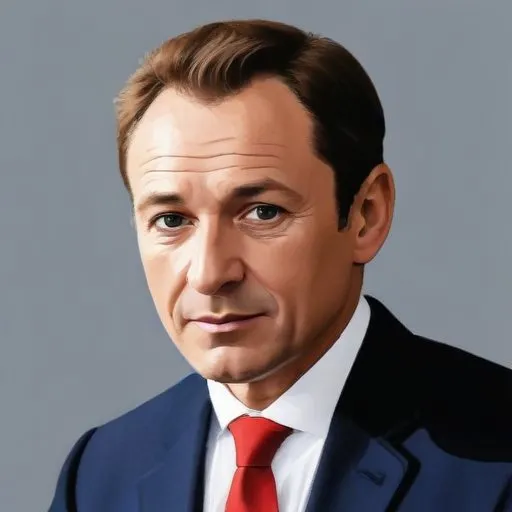
Antonin Magne: The Enigmatic French Cyclist
A Legacy of Victory and Mystery
Antonin Magne, born on February 15, 1904, was a French cyclist renowned for his dual victories in the Tour de France, claiming the coveted title in 1931 and 1934. His taciturn nature earned him the nickname "The Monk," as he withdrew into a shell when confronted by journalists, making him an intriguing figure in the world of professional cycling.
Early Career and Team Success
Magne turned professional in 1927, joining the Alleluia Team, which boasted an impressive roster of talented riders. In that same year, the team secured a notable win at the GP Wolber, often referred to as the unofficial world road race championship. Magne's early career was marked by promising performances, including his debut in the Tour de France alongside André Leducq in the France team.
Rise to Prominence: 1931 Tour de France
The 1931 Tour de France marked a pivotal moment in Magne's career, as he took on the role of team leader in lieu of the ailing André Leducq. Despite facing formidable opponents, including the Italian Pesanti and Belgian Jef Demuysere, Magne demonstrated remarkable resilience and strategy, ultimately emerging victorious.
A Hiatus and Return to the Tour
In 1932, Magne opted not to defend his Tour de France title, instead choosing to participate in the Giro d'Italia. Although he failed to make a significant impact, he returned to the Tour de France in 1933, finishing in 8th place. This brief hiatus seemed to reinvigorate Magne, as he returned to the Tour de France in 1934 with renewed determination.
Triumphant Return: 1934 Tour de France
The 1934 Tour de France witnessed Magne's most impressive performance to date. As part of a strong French team, he led the race from the second day onwards, with his team securing an astonishing 19 out of 23 stages. Magne himself claimed two stage victories, including the inaugural time trial from La Rochesur-Yon to Nantes. A dramatic turn of events unfolded when Magne suffered a broken wheel on the descent from l'Hospitalet to Ax-les-Thermes, only to be rescued by teammate René Vietto, who selflessly handed over his own wheel.
Legacy and Impact
Magne's enigmatic persona and impressive racing career have cemented his place in the annals of cycling history. His dual Tour de France victories, combined with his intriguing personality, have inspired generations of cyclists and enthusiasts alike. As a testament to his enduring legacy, Magne remains an iconic figure in the world of professional cycling.
Personal Life and Later Years
Following his retirement from professional cycling in 1939, Magne transitioned into a successful career as a team manager. His later years were marked by a continued involvement in the cycling community, although he maintained his characteristic reserve, rarely granting interviews or making public appearances. Antonin Magne passed away on September 8, 1983, leaving behind a rich legacy in the world of cycling.
Trivia and Fun Facts
- Magne's nickname "The Monk" was a result of his introverted nature and reluctance to engage with journalists.
- He was part of the inaugural time trial in the Tour de France, which took place in 1934.
- Magne's dual Tour de France victories were achieved amidst intense rivalries with other prominent cyclists of the era.
FAQ
What is Antonin Magnes most famous cycling achievement?
Antonin Magne is most famous for winning the Tour de France in 1931 and 1934.
How did Antonin Magne get his start in cycling?
Magne began his career as a professional cyclist in the 1920s, competing in various road races and track events.
What is Antonin Magnes legacy in French cycling?
Magne is considered one of the greatest French cyclists of all time, known for his endurance and tactical skills.
What awards did Antonin Magne win during his career?
Magne won several awards, including the Tour de France and the French national championships.
What is Antonin Magnes connection to the French cycling team?
Magne was a team leader and later manager of the French national cycling team, helping to develop the careers of several young riders.