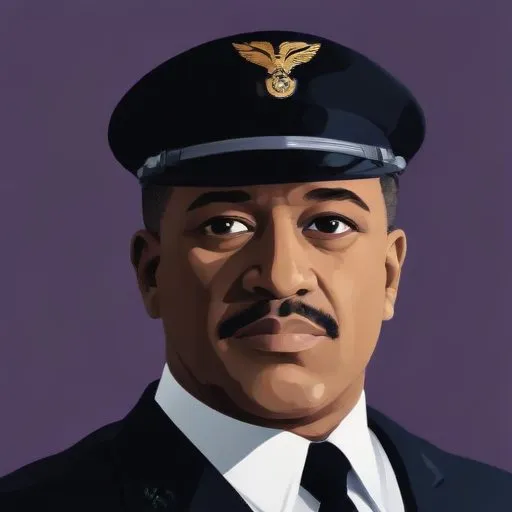
The Controversial Legacy of Arch A. Moore Jr.
The Longest-Serving Governor of West Virginia
Arch A. Moore Jr. is known for his remarkable 12-year tenure as the 28th and 30th Governor of West Virginia, serving from 1969 to 1977 and again from 1985 to 1989. During his time in office, he implemented various reforms and initiatives that left a lasting impact on the state.
Early Life and Career
Born on April 16, 1923, in Moundsville, West Virginia, Moore came from a political family. His grandfather, Forest Taylor Moore, was a state delegate, and his uncle, Everett Franklin Moore, was also a politician. Moore's own political career began in 1952 as a state legislator. Before entering politics, he worked in a factory and on an oil pipeline, and briefly attended Lafayette College in Easton, Pennsylvania. During World War II, he was drafted into the Army and received a disfiguring wound in the jaw from enemy machine gun fire in Germany.
Philosophical Contributions and Beliefs
Moore's political ideology was rooted in Republican values, and he was known for his conservative stance on various issues. However, his administration was also marked by controversy, including allegations of corruption, which ultimately led to his downfall.
Career Highlights and Major Works
Some of Moore's notable achievements include:
- Implementing the Medicaid program in West Virginia
- Increasing funding for education and infrastructure
- Supporting the coal industry, a crucial sector in West Virginia's economy
Controversies and Public Perception
Moore's career was marred by allegations of corruption, which led to his prosecution and eventual conviction on five felony charges in 1990. He served over three years in prison and was disbarred as a result of his conviction. The scandal surrounding his administration tarnished his legacy and left a lasting impact on West Virginia politics.
Personal Milestones and Key Life Events
Moore's personal life was marked by significant milestones, including:
- The birth of his daughter, Shelley Moore Capito, who went on to become a U.S. Senator
- Raising a family with his wife, Shelley Riley Moore
- Overcoming his physical disabilities from the war injuries
Influence on Modern Society
Moore's legacy continues to influence West Virginia politics, serving as a cautionary tale about the dangers of corruption and abuse of power. His reforms and initiatives continue to shape the state's policies, and his story serves as a reminder of the importance of accountability in public office.
Quotes and Memorable Sayings
One of Moore's famous quotes is: "I've always said that the most important thing in life is your family and your faith." This quote reflects his personal values and priorities, which were often at odds with his political actions.
Historical Context and Legacy
Moore's story is a complex and multifaceted one, marked by both achievements and controversy. His legacy serves as a reminder of the importance of ethics and accountability in politics, and his impact on West Virginia continues to be felt to this day.
FAQ
What was Arch A. Moore Jr.s role in West Virginia politics?
Arch A. Moore Jr. served as the 28th Governor of West Virginia from 1969 to 1977 and again from 1985 to 1989. During his tenure, he focused on economic development and infrastructure growth.
What were Arch A. Moore Jr.s accomplishments as Governor of West Virginia?
Moores administration saw the creation of the West Virginia Legislatures Joint Committee on Government Operations, and he also established the Office of Federal State Relations.
What was Arch A. Moore Jr.s military service like?
Before entering politics, Moore served in the United States Army during World War II, earning the Purple Heart and Bronze Star for his bravery.
What were Arch A. Moore Jr.s views on education?
Moore was a strong supporter of education, and his administration increased funding for education in West Virginia, including the establishment of the Community College System.
What is Arch A. Moore Jr.s legacy in West Virginia?
Moores legacy is marked by his commitment to economic development, education, and infrastructure growth, earning him the respect of West Virginians and a place in the states history.