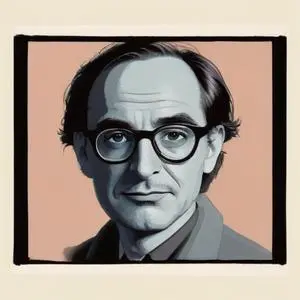
Art Spiegelman: The Visionary Cartoonist Behind Maus
A Pioneering Voice in Graphic Novels
Art Spiegelman is renowned for his groundbreaking graphic novel, Maus, a poignant and unconventional portrayal of the Holocaust. This Pulitzer Prize-winning masterpiece has cemented Spiegelman's status as a pioneering force in the world of comics and graphic novels.
Early Life and Career
Born Itzhak Avraham ben Zeev Spiegelman on February 15, 1948, Art Spiegelman grew up in a family deeply affected by the Holocaust. His father, Vladek, was a survivor of the Auschwitz concentration camp, and their complex relationship would later become the inspiration for Maus. Spiegelman's early career began in the mid-1960s at Topps, a bubblegum and trading card company, where he cocreated parodic series such as Wacky Packages and Garbage Pail Kids.
Underground Comix and Experimental Work
In the 1970s, Spiegelman became a prominent figure in the underground comix scene, producing short, experimental, and often autobiographical strips. His collection, Breakdowns (1977), showcased his innovative style and willingness to push boundaries. This period laid the groundwork for his subsequent work on Maus, which would take 13 years to complete.
Maus: A Postmodern Masterpiece
Completed in 1991, Maus is a genre-defying, postmodern epic that retells the story of the Holocaust through anthropomorphic characters: Germans as cats, Jews as mice, ethnic Poles as pigs, and Americans as dogs. This unconventional approach allowed Spiegelman to tackle the complexities of his family's history and the human experience during the Holocaust. Maus was awarded a special Pulitzer Prize in 1992, solidifying its reputation as a pivotal work in the world of graphic novels.
Raw and The New Yorker: Editorial Contributions
From 1980 to 1991, Spiegelman coedited the influential comics magazine Raw with his wife, Françoise Mouly. This oversized magazine introduced talents such as Charles Burns,
Chris Ware, and Ben Katchor to the alternative comics scene, as well as foreign cartoonists to the English-speaking world. In the 1990s, Spiegelman worked as a contributing artist for The New Yorker, where he refined his unique visual style and further cemented his reputation as a master of the medium.
Influence and Legacy
Art Spiegelman's contributions to the world of comics and graphic novels have been profound and far-reaching. His work has inspired generations of cartoonists, writers, and artists, and continues to shape the medium today. In 2022, the National Book Foundation awarded Spiegelman the Medal for Distinguished Contribution to American Letters, a testament to his enduring impact on American literature.
Philosophical Contributions and Beliefs
Throughout his career, Spiegelman has been driven by a passion for storytelling, a commitment to innovation, and a willingness to challenge conventions. His work embodies a deep understanding of the human experience, the importance of memory, and the power of art to transcend trauma and tragedy.
Personal Milestones and Key Life Events
- Born on February 15, 1948
- Married to designer and editor Françoise Mouly
- Father of writer Nadja Spiegelman
- Awarded a special Pulitzer Prize for Maus in 1992
- Received the National Book Foundation's Medal for Distinguished Contribution to American Letters in 2022
Career Highlights and Major Works
- Maus (1986-1991)
- Breakdowns (1977)
- In the Shadow of No Towers (2004)
- Raw (coedited with Françoise Mouly, 1980-1991)
Quotes and Memorable Sayings
"Comics are a gateway drug to literacy."
"The medium is a very powerful tool for communicating with people, and it's a very intimate medium."
Historical Context and Legacy
Art Spiegelman's work has been instrumental in shaping the graphic novel as a respected literary form. His innovative approach to storytelling has inspired a new generation of cartoonists, writers, and artists, ensuring his legacy as a trailblazing figure in American literature.
FAQ
What is Art Spiegelmans most famous comic book series?
Art Spiegelman is best known for his Pulitzer Prize-winning comic book series Maus, which tells the story of his fathers experiences as a Holocaust survivor and explores the complexities of identity, trauma, and family history.
What is Art Spiegelmans approach to cartooning?
Art Spiegelman is known for his innovative approach to cartooning, which combines traditional techniques with avant-garde experimentation and pushes the boundaries of the medium.
What is Art Spiegelmans relationship with RAW magazine?
Art Spiegelman co-founded RAW magazine, a influential underground comix publication that showcased the work of avant-garde cartoonists and helped to shape the alternative comics movement.
What awards has Art Spiegelman won?
Art Spiegelman has won numerous awards for his work, including the Pulitzer Prize, the National Book Critics Circle Award, and the Harvey Award.
What is Art Spiegelmans teaching experience?
Art Spiegelman has taught at various institutions, including the School of Visual Arts, Parsons School of Design, and Columbia University, and has been a vocal advocate for the importance of comics education.