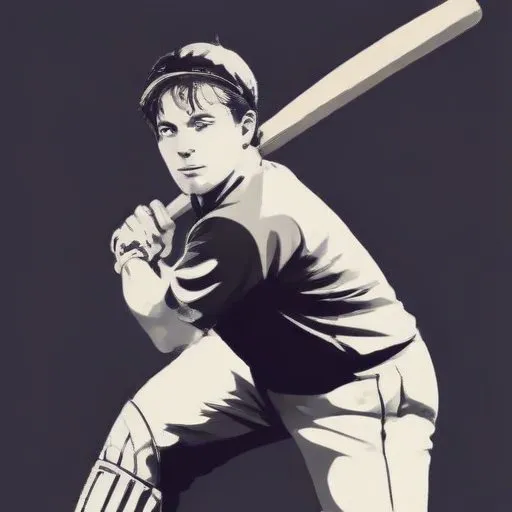
Arthur Mold: The Controversial English Cricketer
A Brief Introduction
Arthur Mold was a prominent English cricketer who dominated the pitch as a fast bowler between 1889 and 1901. Renowned for his exceptional skill, Mold took 1,673 wickets in first-class matches, earning him a reputation as one of the most effective bowlers of the 1890s.
Early Life and Career
Born on May 27, 1863, in Middleton Cheney, Northamptonshire, Mold hailed from a family with links to the thatching trade. However, he pursued a career in professional cricket, making his debut with the village team in 1882. His remarkable progress as a bowler led him to play for Banbury and Northamptonshire in the mid-1880s.
Rise to Prominence
By 1889, Mold had qualified to play for Lancashire at the county level, where he formed a formidable bowling partnership with
Johnny Briggs. His meteoric rise earned him a spot in the Wisden Cricketers of the Year list in 1892, cementing his status as a leading bowler in the country.
International Career and Controversy
Mold's exceptional skills earned him a selection for England in three Test matches in 1893. However, his international career was marred by controversy surrounding his bowling action. Many critics suspected that he threw rather than bowled the ball, leading to a heated debate about the legitimacy of his achievements.
The Noballing Incident
The controversy came to a head in 1900 when Mold was noballed for throwing by Jim Phillips, a prominent umpire. The incident sparked a heated debate, with many Lancashire supporters and teammates believing Mold bowled legally. Despite this, Mold's reputation was tarnished, and he eventually retired from the game in 1901.
Legacy and Impact
Mold's departure from cricket marked the end of the throwing controversy in English cricket for nearly 50 years. His remarkable bowling skills and achievements, albeit tainted by controversy, remain an integral part of cricketing history.
Trivia and Fun Facts
- Mold's 1,673 wickets in first-class matches remain an impressive feat in cricketing history.
- He was one of the first bowlers to be accused of throwing, leading to a re-evaluation of bowling actions in cricket.
- Mold's retirement from cricket in 1901 marked the end of the throwing controversy in English cricket for nearly 50 years.
Conclusion
Arthur Mold's remarkable cricketing career was marked by controversy and exceptional skill. While his achievements were tainted by suspicions of throwing, his legacy remains an integral part of cricketing history, serving as a testament to the complexities and challenges of the sport.
FAQ
What was Arthur Molds cricketing style?
Arthur Mold was a skilled fast bowler, known for his pace, accuracy, and ability to swing the ball, taking 1,673 wickets in first-class cricket at an average of 15.55.
What were Arthur Molds cricketing achievements?
Arthur Mold was a dominant force in English cricket, taking over 100 wickets in a season on six occasions and playing for Lancashire and the English national team.
What was Arthur Molds relationship with his Lancashire teammates?
Arthur Mold was a beloved figure among his Lancashire teammates, known for his good humor, sportsmanship, and strong team spirit.
What were Arthur Molds early cricketing experiences?
Arthur Mold began playing cricket as a young boy in Lancashire, eventually making his debut for the county team in 1889 and going on to play for over two decades.
What was Arthur Molds legacy in English cricket?
Arthur Molds legacy in English cricket is marked by his incredible bowling statistics, earning him a place in the Lancashire Cricket Club Hall of Fame and cementing his status as one of the greatest bowlers in the history of the game.