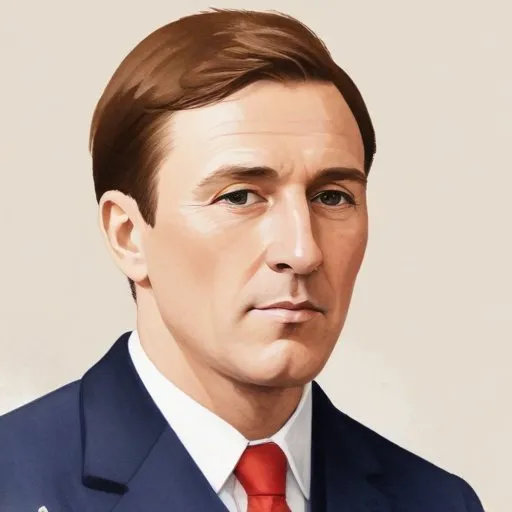
Arthur Rowe: The Pioneer of Push and Run Football
A Legendary Career in Football Management
Arthur Rowe, a renowned English footballer and manager, is best known for his innovative "Push and Run" tactics that revolutionized the game in the 1950s. As a centre half, Rowe played for Tottenham Hotspur and earned a single cap for the England team, but it was his managerial career that truly left an indelible mark on the sport.
Early Life and Playing Career
Born on September 1, 1906, in Tottenham, England, Rowe began his footballing journey as an amateur with Northfleet United in 1923. He turned professional with Tottenham Hotspur in 1929 and went on to play for the club for eight seasons, making 201 appearances in all competitions. Rowe also made a single appearance for the England team before being forced to retire in 1939 due to a cartilage injury.
Managerial Career
Chelmsford City and the War Years
After retiring as a player, Rowe took up a coaching job in Hungary, but the outbreak of World War II saw him return to Britain and join the military as a physical training instructor. In 1945, he joined Chelmsford City as secretary-manager and transformed the club into a leading non-league team.
Tottenham Hotspur: The Glory Years
Rowe returned to Tottenham Hotspur as manager in 1949, with the team struggling in the second division. He implemented his innovative "Push and Run" tactics, which focused on quick passes and movement, and led the team to back-to-back championships in the 1949-1950 and 1950-1951 seasons. This achievement made Spurs the first post-war team to win back-to-back titles.
Career Highlights and Legacy
- Winning the First Division Championship with Tottenham Hotspur in 1950-1951
- Introducing the "Push and Run" tactic, which revolutionized the game
- Leading Chelmsford City to success as a non-league team
Later Life and Career
Rowe's health issues forced him to resign as Tottenham manager in 1955. He took time off to recover and later joined Crystal Palace as an assistant manager in 1958. He was promoted to manager in 1960 and led the team to promotion to Division Three in the 1960-1961 season. Rowe resigned in December 1962 due to failing health.
Personal Milestones and Key Life Events
- Born on September 1, 1906, in Tottenham, England
- Retired as a player in 1939 due to a cartilage injury
- Passed away on November 5, 1993, at the age of 87
Legacy and Impact on Modern Football
Arthur Rowe's innovative tactics and managerial success paved the way for modern football managers. His "Push and Run" style influenced generations of coaches, including the legendary Tottenham manager,
Bill Nicholson. Rowe's legacy continues to inspire football enthusiasts, and his contributions to the sport remain unparalleled.
FAQ
What teams did Arthur Rowe play for?
Arthur Rowe played as a defender for several teams, including Fulham, Tottenham Hotspur, and Crystal Palace. He was known for his strong tackling and aerial ability.
What was Arthur Rowes managerial style?
Arthur Rowe was a innovative and forward-thinking manager who emphasized attacking football and youth development. He was known for his ability to spot and develop young talent.
What were Arthur Rowes achievements as a manager?
Arthur Rowe achieved significant success as a manager, leading Tottenham Hotspur to the First Division title in 1951 and the FA Cup in 1953. He also managed the England national team on a caretaker basis.
What was Arthur Rowes playing career like?
Arthur Rowe had a solid playing career, making over 200 appearances for Fulham and Tottenham Hotspur. He was a consistent and reliable defender who earned a reputation for his committed performances.
How did Arthur Rowe influence English football?
Arthur Rowes innovative approach to the game and emphasis on youth development helped to shape English football in the post-war era. He was an influential figure in the development of the sport in England.