


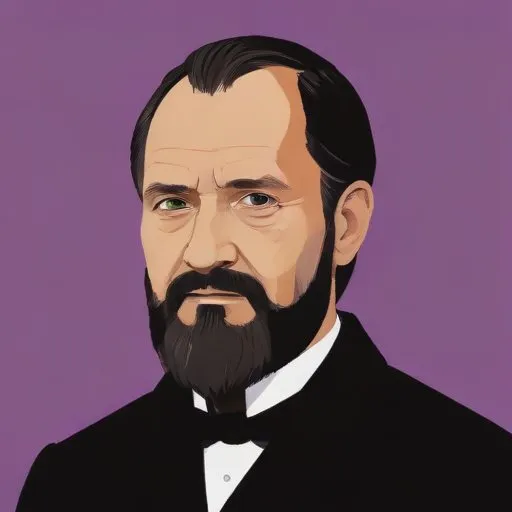
A minimalist composer renowned for his sacred, hauntingly beautiful music that often features slow, contemplative harmonies and sparse textures, evoking a sense of spirituality and calm.
Arvo Prt, born September 11, 1935, is an Estonian composer renowned for his minimalist style that employs tintinnabuli, a unique compositional technique he invented. His music, inspired by Gregorian chant, has captured the hearts of audiences worldwide, making him one of the most performed living composers in the world.
Prt's innovative approach to music is rooted in his development of tintinnabuli, a technique that combines simple, slow-moving melodic lines with complex, oscillating harmonies. This distinctive sound has become a hallmark of Prt's compositions, setting him apart from other contemporary classical musicians.
Some of Prt's most iconic works include:
These pieces have been widely performed and praised for their mesmerizing beauty and emotional depth.
In the late 1970s, Prt's unique style began to gain international recognition. From 2011 to 2018, and again in 2022, he held the title of most performed living composer in the world. In 2019, he was ranked second, just behind John Williams.
In 2018, the Arvo Prt Centre was opened to the public in Laulasmaa, Estonia, providing a unique space for music lovers to experience Prt's work firsthand. The centre serves as a hub for cultural and educational events, celebrating Prt's contributions to the world of classical music.
Born in Paide, Jrva County, Estonia, Prt was raised by his mother and stepfather in Rakvere. He began exploring music at the age of seven, attending music school in Rakvere. His early compositions showcased his innate talent, and by the time he was a teenager, he was already writing his own music.
Prt's musical journey took him from the Tallinn Music Middle School to the Tallinn Conservatory, where he studied composition under Heino Eller. He also worked as a sound producer for the Estonian public radio broadcaster Eesti Rahvusringhling from 1957 to 1967, producing music for film and the stage.
Prt's music is deeply rooted in his spiritual beliefs and connection to nature. He has stated that his compositions are a way to express the spiritual and the divine, striving to evoke emotions and spark inner reflection in his audience.
Arvo Prt's groundbreaking work has not only redefined the landscape of contemporary classical music but has also inspired a new generation of composers and musicians. His legacy continues to grow, with his music remaining a testament to the power of creativity and innovation.
90 Years Old
A pioneer of minimalism, creating hypnotic, repetitive patterns that redefine classical music, influencing generations of musicians and composers.
89 Years Old
A pioneer of minimalist music, creating hypnotic, repetitive patterns that revolutionized classical music and influenced film scores and popular culture.
79 Years Old
A Pulitzer Prize-winning composer, known for blending minimalism with complex rhythms, creating a unique sound that resonates with audiences worldwide.
Born in 1908
A pioneering composer of modern classical music, known for his complex and innovative works that pushed the boundaries of harmony and rhythm.
Born in 1925
A renowned French musician who revolutionized classical music with his avant-garde compositions and innovative conducting style, pushing boundaries and redefining the genre.
98 Years Old
A pioneer of electronic and avant-garde music, this composer pushed boundaries with unconventional sounds and performances, influencing generations of musicians and artists.
Born in 1923
A visionary composer and educator who pushed the boundaries of classical music with his avant-garde and innovative works, blending dissonance and harmony in unique ways.
Born in 1922
A visionary composer who merged mathematics and music, creating complex, avant-garde works that pushed the boundaries of sound and performance.
