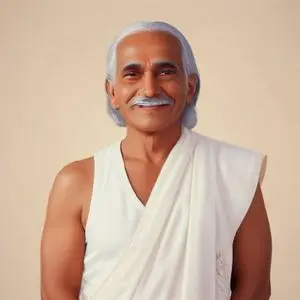
B. K. S. Iyengar: The Pioneer of Iyengar Yoga
The Founder of Iyengar Yoga
B. K. S. Iyengar is widely recognized as one of the most influential yoga gurus in the world, credited with popularizing yoga globally and developing the style of yoga known as Iyengar Yoga. He is the author of several seminal books on yoga practice and philosophy, including the iconic "Light on Yoga", which has been hailed as a yoga Bible by many.
Early Life and Struggles
Born on December 14, 1918, in Bellur, Karnataka, India, Iyengar was the 11th of 13 children in a poor Sri Vaishnava Iyengar family. He struggled with various health issues throughout his childhood, including malaria, tuberculosis, and typhoid fever, which left him weak and malnourished. His father's untimely death when Iyengar was just 9 years old added to his struggles.
Introduction to Yoga
In 1934, Iyengar's brother-in-law, Sri Tirumalai Krishnamacharya, introduced him to the practice of yoga asanas to improve his health. Krishnamacharya, often referred to as the father of modern yoga, had a profound influence on Iyengar's life and yoga practice.
Development of Iyengar Yoga
Over the years, Iyengar developed and refined his unique approach to yoga, which emphasized precision, alignment, and the use of props. He established the Ramamani Iyengar Memorial Yoga Institute in Pune, India, which became a hub for yoga practitioners from around the world. His approach to yoga was not only physical but also emphasized the spiritual and philosophical aspects of the practice.
Awards and Recognition
Iyengar received numerous awards and honors for his contributions to yoga, including the Padma Shri (1991), Padma Bhushan (2002), and Padma Vibhushan (2014) from the Indian government. In 2004, he was named one of the 100 most influential people in the world by Time magazine.
Philosophical Contributions
Iyengar's philosophical contributions to yoga are immense. He believed that yoga was not just a physical practice but a way of life that could bring about transformation and self-realization. He emphasized the importance of discipline, dedication, and awareness in yoga practice.
Influence on Modern Society
Iyengar's influence on modern society extends beyond the yoga community. He has inspired millions of people around the world to take up yoga, and his approach has influenced the development of various yoga styles. He has also been a role model for many, demonstrating the importance of hard work, discipline, and dedication in achieving one's goals.
Legacy
B. K. S. Iyengar passed away on August 20, 2014, but his legacy continues to inspire and influence yoga practitioners around the world. His institute in Pune remains a hub for yoga education and research, and his books and teachings continue to guide millions on their yoga journey.
Quotes and Memorable Sayings
- "The body is my temple, and asanas are my prayers."
- "Yoga is a light, which once lit, will never dim. The better your practice, the brighter the flame."
- "Health is a state of complete harmony of the body, mind, and spirit."
Final Thoughts
B. K. S. Iyengar's life and legacy are a testament to the power of dedication, hard work, and passion. He has left an indelible mark on the world of yoga, and his teachings continue to inspire and guide millions of people around the world.
FAQ
What is Iyengar Yoga, and how did B.K.S. Iyengar develop it?
Iyengar Yoga is a style of yoga developed by B.K.S. Iyengar, which emphasizes precise alignment, the use of props, and the sequencing of postures. Iyengar developed this style over many years, drawing on his own practice and study of yoga.
How did B.K.S. Iyengar popularize yoga worldwide?
B.K.S. Iyengar popularized yoga worldwide through his teachings, writings, and tireless promotion of the practice. He founded the Ramamani Iyengar Memorial Yoga Institute in Pune, India, which has become a hub for yoga practitioners from around the world.
What are some of B.K.S. Iyengars most notable books on yoga?
B.K.S. Iyengar wrote several influential books on yoga, including Light on Yoga, Light on Pranayama, and Light on the Yoga Sutras of Patanjali. These books are considered classics in the field and have been translated into numerous languages.
What awards and honors did B.K.S. Iyengar receive for his contributions to yoga?
B.K.S. Iyengar received numerous awards and honors for his contributions to yoga, including the Padma Shri, Padma Bhushan, and Padma Vibhushan, three of Indias highest civilian honors.
How did B.K.S. Iyengars practice of yoga impact his own life and health?
B.K.S. Iyengars practice of yoga had a profound impact on his own life and health. He practiced yoga well into his 90s and attributed his longevity and vitality to his daily practice.