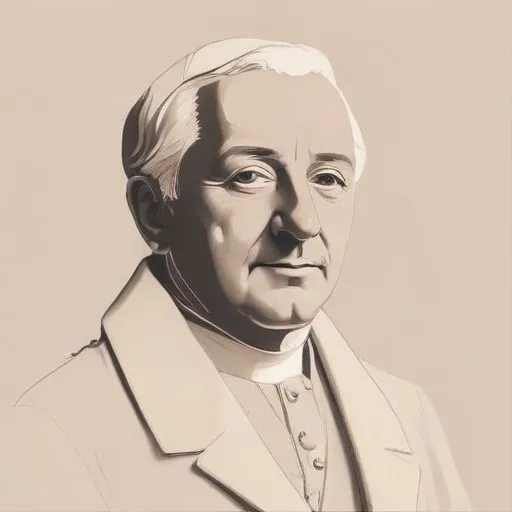
Baldassare Peruzzi: The Visionary Architect and Painter of the Renaissance
A Master of Perspective and Design
Baldassare Peruzzi is renowned for his exceptional talent in architecture and painting, having worked alongside the great masters of the Renaissance, including Bramante, Raphael, and Sangallo. He is particularly famous for his design of the Villa Farnesina, a breathtaking palace in Rome that showcases his innovative use of perspective and decoration.
Early Life and Training
Born on March 7, 1481, in Ancaiano, a small town near Siena, Peruzzi was drawn to art from a young age. He began his training as a painter in Siena, where he was influenced by the works of Giovanni di Paolo and other local artists. His early experiences laid the foundation for his future success in Rome, where he would go on to work on some of the most prestigious projects of the Renaissance.
A Career in Rome
Peruzzi's move to Rome marked the beginning of a fruitful collaboration with Bramante, Raphael, and Sangallo on the construction of St. Peter's Basilica. He worked on the project for many years, honing his skills as an architect and painter. During this period, he also designed and decorated several other notable buildings, including the Villa Farnesina, which would become one of his most celebrated works.
The Villa Farnesina: A Masterpiece of Perspective and Decoration
The Villa Farnesina, built for the wealthy banker Agostino Chigi, is a testament to Peruzzi's exceptional talent. The villa's design features a central hall with two wings branching off, adorned with a decorative frieze on the exterior. The interior rooms are decorated with frescoes, including the famous Sala delle Prospettive, where Peruzzi revived the perspective schemes of Melozzo da Forlì and Mantegna. The room's walls are painted to create an illusion of standing in an open-air terrace, complete with pillars and a continuous landscape.
Return to Siena and Later Years
Following the Sack of Rome in 1527, Peruzzi returned to his native Siena, where he was employed as an architect by the Republic. He worked on several projects, including the design of a remarkable dam on the Bruna River near Giuncarico. Although the dam was never built, Peruzzi's designs showcased his innovative approach to engineering and architecture. He eventually returned to Rome, where he died on January 6, 1536, and was buried in the Pantheon.
Legacy and Influence
Peruzzi's contributions to the Renaissance are undeniable. His work on the Villa Farnesina and St. Peter's Basilica has inspired generations of architects and artists. His use of perspective and decoration has influenced the development of Western art, and his designs continue to inspire architects and designers today.
- Notable Works:
- Villa Farnesina
- St. Peter's Basilica
- Cappella San Giovanni (Siena)
Personal Life and Family
Peruzzi's sons, Giovanni Sallustio and Onorio, also followed in his footsteps. Giovanni became an architect, while Onorio learned painting from his father and later became a Dominican priest. Onorio's artistic talents were revived when he was asked to paint the organ doors of the church of San Romano di Lucca.
By examining Peruzzi's life and work, we can appreciate the significant impact he had on the Renaissance and the development of Western art. His innovative designs, use of perspective, and decorative flair have left a lasting legacy, making him one of the most important architects and painters of the 16th century.
FAQ
What is Baldassare Peruzzis contribution to Renaissance architecture?
Baldassare Peruzzi was a prominent Italian architect and painter of the High Renaissance. He made significant contributions to Renaissance architecture, particularly in the design of villas and palaces in Rome and Siena. His work influenced many architects, including Michelangelo.
What are some of Baldassare Peruzzis notable works?
Some of Baldassare Peruzzis notable works include the design of the Farnese Gardens in Rome, the Villa Farnesina, and the Palazzo Massimo alle Colonne. He was also a prolific painter, producing many frescoes and altarpieces for churches and palaces.
What is Baldassare Peruzzis connection to Raphael?
Baldassare Peruzzi was a close friend and collaborator of Raphael, another famous Renaissance artist. They worked together on several projects, including the decoration of the Vatican Stanze.
What is the significance of Baldassare Peruzzis use of perspective?
Baldassare Peruzzi was a master of perspective, a technique that creates the illusion of depth on a flat surface. His innovative use of perspective helped to create more realistic and dynamic compositions in his paintings and architectural designs.
How did Baldassare Peruzzi influence later architects?
Baldassare Peruzzis work had a significant impact on later architects, including Andrea Palladio and Vincenzo Scamozzi. His designs and writings helped to shape the development of Renaissance architecture and urban planning.