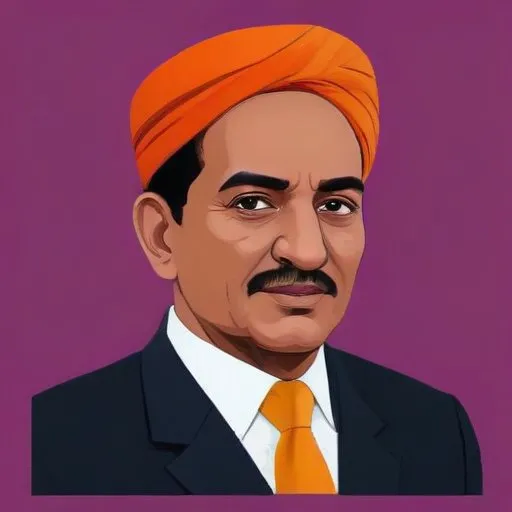
Balram Singh Rai: The Maverick Politician Who Shaped Guyana's Education System
A Champion of Education Reform
Balram Singh Rai is renowned for his trailblazing efforts in transforming Guyana's education system, abolishing the dual control of schools, and bringing denomination schools under government control during his tenure as Minister of Community Development and Education from 1959 to 1961. This pivotal achievement not only earned him recognition but also paved the way for a more inclusive and accessible education system in the country.
Early Life and Education
Born on February 8, 1921, in Beterverwagting Village on the East Coast of Demerara, Balram Singh Rai was the child of Ramlachan and Radha Rai, devout Hindus of the Arya Samaj denomination. Rai's academic prowess was evident from an early age, as he passed his Junior and Senior Cambridge exams at the tender ages of 13 and 16, respectively. He went on to earn an LLB degree with honors from the University of London.
Rise to Prominence
Rai's early career was marked by a series of prominent positions, including Vice President of the Civil Service Administration in 1949. As a civil servant, he played a significant role in promoting
Cheddi Jagan, the leader of the People's Progressive Party (PPP), as a candidate for the 1947 General Election. In 1952, Rai was called to the bar at Middle Temple, further solidifying his credentials.
Political Affiliations and Controversies
Rai's foray into politics was marked by controversy when he formed his own party, the Justice Party, breaking away from the PPP. This move was met with criticism, with allegations of jobs, race, power, and corruption. Despite the controversy, Rai remained undeterred, although the Justice Party struggled to gain traction, ultimately securing only 1,334 votes in the 1964 general election.
Parliamentary Years and Ministerial Tenure
Rai represented Central Demerara in parliament from 1957 to 1964. During this period, he served as Minister of Community Development and Education from 1959 to 1961 and Minister of Home Affairs from 1961 to 1962. His ministerial tenure was marked by significant reforms, including the abolition of dual control of schools, which had far-reaching implications for the country's education system.
Legacy and Exile
In 1970, Rai voluntarily went into exile, settling in Ealing, London, UK. Despite his absence from Guyana's political scene, his legacy as a champion of education reform continues to be felt. Rai's contributions to Guyana's development, particularly in the education sector, remain an integral part of the country's history.
Philosophical Contributions and Beliefs
Rai's commitment to education reform was deeply rooted in his Arya Samaj beliefs, which emphasized the importance of education and social reform. His advocacy for a more inclusive education system was driven by a desire to promote social equality and justice.
Personal Milestones and Key Life Events
- February 8, 1921: Born in Beterverwagting Village, East Coast of Demerara
- 1947: Promoted Cheddi Jagan as a candidate for the General Election
- 1949: Became Vice President of the Civil Service Administration
- 1952: Called to the bar at Middle Temple
- 1957-1964: Represented Central Demerara in parliament
- 1959-1961: Served as Minister of Community Development and Education
- 1961-1962: Served as Minister of Home Affairs
- 1970: Went into voluntary exile in Ealing, London, UK
Influence on Modern Society
Balram Singh Rai's legacy continues to inspire future generations, serving as a testament to the power of education in driving social change. His contributions to Guyana's development, particularly in the education sector, remain an integral part of the country's history.
FAQ
What was Balram Singh Rais role in Guyanese politics?
Balram Singh Rai served as the 1st Minister of Home Affairs in Guyana, playing a key role in shaping the countrys early years of independence.
How did Balram Singh Rai contribute to Guyanese development?
Balram Singh Rai contributed to Guyanese development by promoting economic growth, infrastructure development, and social welfare programs during his tenure as Minister of Home Affairs.
What was Balram Singh Rais stance on Guyanese nationalism?
Balram Singh Rai was a strong advocate for Guyanese nationalism, promoting the countrys unique cultural identity and its role in the region.
How did Balram Singh Rais policies impact Guyanese society?
Balram Singh Rais policies had a significant impact on Guyanese society, promoting economic growth, social welfare, and national unity, despite facing challenges from opposition parties and external factors.
What legacy did Balram Singh Rai leave in Guyanese politics?
Balram Singh Rais legacy in Guyanese politics is marked by his commitment to national development, his advocacy for Guyanese nationalism, and his contributions to shaping the countrys early years of independence.