


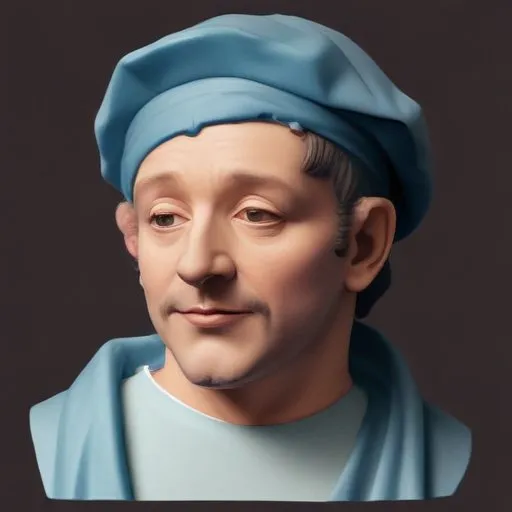
A Renaissance sculptor renowned for his intricate, emotionally charged marble works, often depicting mythological and biblical scenes. He was a prominent figure in 16th-century Florence, influencing many artists.
Bartolommeo Bandinelli, a prominent figure of the Italian Renaissance, is renowned for his exceptional skill in crafting exquisite marble and bronze sculptures that adorned the grandest of courts and cathedrals. His mastery of technique and innovative approach to Renaissance art earned him the esteem of contemporaries and posterity alike.
Born in 1488 in Florence, Italy, Bandinelli received his early training in the workshop of Giovanni Francesco Rustici, a renowned sculptor of the time. This exposure laid the foundation for Bandinelli's future success, as he honed his skills in modeling, carving, and casting.
Bandinelli's oeuvre boasts a diverse range of iconic works, including the celebrated Hercules and Cacus, a colossal marble sculpture commissioned by the Medici family. This masterpiece, now housed in the Piazza della Signoria in Florence, showcases the artist's virtuosity in capturing dynamic movement and tension.
Bandinelli's innovative use of materials and techniques not only elevated the status of sculpture within the Renaissance art hierarchy but also paved the way for future generations of artists. His work continues to inspire art historians, collectors, and enthusiasts, offering a window into the creative fervor of 16th-century Italy.
Bandinelli's artistic career flourished during a time of great cultural and artistic transformation, as the Renaissance was in full bloom. His contributions to the sculptural arts, alongside those of Michelangelo and Cellini, solidified Florence's reputation as a hub of artistic innovation and excellence.
Bandinelli's life was marked by significant milestones, including his election as the head of the Guild of Sculptors in Florence in 1515. This honor underscored his reputation as a master craftsman and innovator, as well as his influence within the artistic community.
Bandinelli's artistic philosophy was deeply rooted in the Renaissance humanist ideals, which emphasized the potential of human beings to achieve great things through education, reason, and individualism. His sculptures, imbued with this intellectual and cultural context, continue to embody the essence of Renaissance art and philosophy.
Bandinelli received numerous accolades during his lifetime, including the prestigious commission to create a tomb for the Medici pope, Leo X. This honor exemplified the esteem in which the artist was held by his patrons and contemporaries.
Did you know that Bandinelli's workshop was located in the heart of Florence, near the iconic Duomo? This proximity allowed him to engage with the city's vibrant cultural scene, drawing inspiration from the bustling streets and grand architectural landmarks.
Bartolommeo Bandinelli's impressive body of work continues to captivate art lovers and scholars alike, offering a testament to the innovative spirit and creative genius of the Renaissance era. As a master of marble and bronze, he has left an indelible mark on the art historical record, cementing his place among the greatest sculptors of all time.
Born in 1475
Renaissance master of iconic works like the ceiling of the Sistine Chapel, creating breathtakingly beautiful and emotionally powerful art that continues to inspire and awe.
Born in 1500
A 16th-century Renaissance master who crafted exquisite sculptures and paintings, including the iconic "Perseus with the Head of Medusa" statue. He's also famous for his vivid autobiography, which offers a unique glimpse into the artistic and cultural landscape of his time.
Born in 1508
A renowned Renaissance architect and theorist, famous for designing iconic buildings that harmoniously blend classical and modern elements, including a majestic church and a historic theater.
Born in 1452
Renaissance mastermind behind iconic works like the Mona Lisa and The Last Supper, who revolutionized art, science, and engineering with his inventive and curious nature.
