


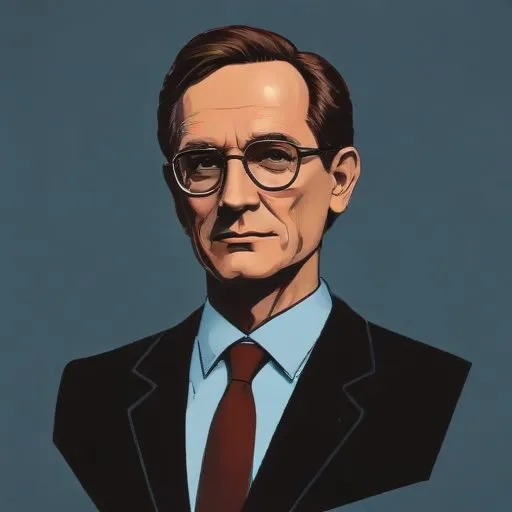
Screenwriter and producer behind iconic films like "55 Days at Peking" and "The Day of the Jackal", crafting thrilling stories for the big screen.
Bernard Gordon, a renowned American writer and producer, was the mastermind behind some of Hollywood's most iconic films, including Flesh and Fury, Earth vs. the Flying Saucers, and 55 Days at Peking. For 27 years, his work was largely shrouded in secrecy, as he was forced to operate under pseudonyms due to the notorious Hollywood Blacklist.
Born on October 29, 1918, in New Britain, Connecticut, to Jewish immigrants from Russia, Gordon grew up in New York City. His father, William, managed a hardware store, and Gordon attended the City College of New York. This urban upbringing instilled in him a strong sense of social justice, which would later shape his politics and writing.
Gordon's writing career began in print, but he soon transitioned to California, where he landed a production job as a script reader. This role allowed him to provide written coverage of screenplays submitted to studios, honing his skills and making industry connections. His big break came with the screenplay for Flesh and Fury (1952), a gritty boxing picture starring Tony Curtis.
In 1953, Gordon was subpoenaed to testify before the House Un-American Activities Committee (HUAC), which investigated communist influence in Hollywood. Although never called to testify, Gordon's career was marred by the Blacklist. He was forced to work under pseudonyms, often receiving "under-the-table" assignments. One such collaboration was with producer Charles Schneer, which led to the film The Law vs. Billy the Kid (1954).
Gordon was married to Jean Lewin, a fellow activist and one of the organizers of the Hollywood Canteen during World War II. He was also a member of the Screen Readers Guild, which he helped found. Gordon's political leanings were shaped by his experiences, and he remained an outspoken advocate for social justice throughout his life.
Despite the Blacklist's efforts to silence him, Bernard Gordon's contributions to Hollywood's Golden Age are undeniable. His work continues to inspire generations of writers, producers, and filmmakers. Though his name was often hidden from the credits, his influence on the industry is a testament to the power of creativity and perseverance in the face of adversity.
Bernard Gordon passed away on May 11, 2007, leaving behind a legacy of iconic films and a testament to the enduring power of artistic expression. His story serves as a reminder of the importance of standing up against injustice and fighting for one's creative voice.
Born in 1915
A pioneering filmmaker and master of cinematic storytelling, known for his innovative narrative techniques and iconic films like "Citizen Kane" and "Touch of Evil".
65 Years Old
A pioneering golfer who won multiple PGA Tour events and was a member of the Ryder Cup team, known for his consistent play and sportsmanship.
Born in 1910
A visionary filmmaker who crafted visually stunning and emotionally resonant movies that explored humanity, often blending Japanese culture with Western influences. His works continue to inspire generations of filmmakers and artists.
87 Years Old
Academy Award-winning filmmaker behind epic movies like The Godfather and Apocalypse Now, known for his groundbreaking storytelling and direction.
83 Years Old
Acclaimed filmmaker behind gritty, intense, and visually stunning movies that often explore themes of redemption, faith, and the human condition, with a distinctive directing style that blends violence and artistry.
86 Years Old
Acclaimed filmmaker behind suspenseful and stylish thrillers, often exploring themes of obsession, identity, and the darker aspects of human nature. His work often features elaborate set pieces and a blend of horror and humor.
80 Years Old
Academy Award-winning filmmaker behind controversial and thought-provoking movies that often explore American history and politics, known for pushing boundaries and sparking intense debates.
Born in 1909
A pioneering filmmaker who directed iconic movies like "On the Waterfront" and "East of Eden," and was a key figure in the development of the Actors Studio.
