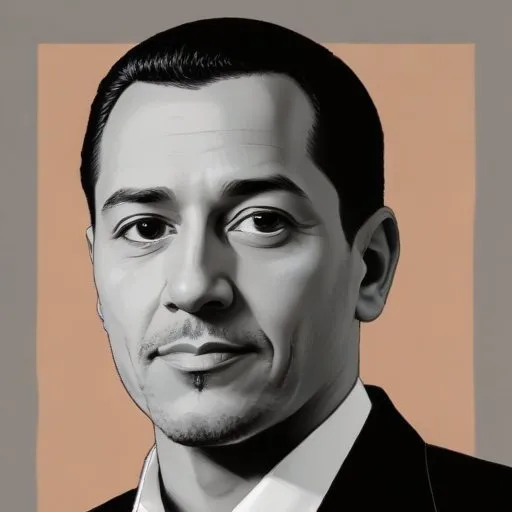
Berton Rouech: The Pioneering Medical Writer
The Master of Medical Mysteries
Berton Rouech, an American medical writer, is renowned for his captivating stories that delved into the world of medical detection and epidemiology. For almost five decades, he wrote for The New Yorker magazine, crafting 20 books that enthralled readers and inspired numerous adaptations, including the 1956 film Bigger Than Life and the hit TV show House.
A Life of Writing and Discovery
Born on April 16, 1910, in Chicago, Rouech grew up with a passion for storytelling and a curiosity for the human body. He graduated from the University of Missouri with a degree in journalism in 1933 and began his writing career as a reporter for The Kansas City Star, the St. Louis Post-Dispatch, and the St. Louis Globe-Democrat.
The New Yorker Years
In 1944, Rouech joined The New Yorker magazine as a staff writer, where he created the acclaimed "Annals of Medicine" department in 1946. This series of articles explored the thrilling world of medical detection, weaving intricate mysteries and detective work with rigorous scientific research.
Major Works and Adaptations
Rouech's writing inspired various adaptations, including:
- Eleven Blue Men (1954), a collection of medical mysteries
- The Incurable Wound (1958), a gripping tale of medical detection
- Feral (1974), an exploration of the intersection of medicine and society
- The Medical Detectives (1980), a comprehensive guide to medical detection
Legacy and Impact
Rouech's work not only captivated readers but also influenced the medical community and inspired a new generation of medical writers. His writing style, which blended scientific rigor with engaging storytelling, raised the bar for medical journalism.
Inspiring a New Era of Medical Storytelling
Rouech's legacy extends beyond his written works. He inspired a new wave of medical writers, and his influence can be seen in popular TV shows like House, which drew inspiration from his writing.
Awards and Honors
Rouech's contributions to medical writing were recognized with numerous awards and honors, including his induction into the Southwest High School Hall of Fame.
Personal Life and Milestones
Rouech married Katherine Eisenhower, niece of President
Dwight D. Eisenhower, in 1936, and they had one child, Arthur Bradford Rouech, born in 1942. He remained a devoted husband until his passing in 1994.
Trivia and Fun Facts
- Rouech's paternal great-grandparents emigrated from France.
- He was a member of the Southwest High School Hall of Fame.
- His article "Ten Feet Tall" was adapted into the 1956 film Bigger Than Life, starring James Mason.
Rouech's remarkable career and lasting impact on medical writing continue to inspire and captivate audiences to this day. His legacy serves as a testament to the power of storytelling and the importance of exploring the human body.
FAQ
What was Berton Rouechés career in journalism?
Berton Roueché was a renowned American journalist and author, best known for his work as a staff writer at The New Yorker magazine. He wrote over 100 articles for the magazine, often focusing on medical and scientific topics.
What inspired Berton Rouechés writing style?
Berton Rouechés writing style was heavily influenced by his experience as a journalist and his fascination with the human condition. He was known for his unique blend of scientific accuracy and storytelling ability.
What awards did Berton Roueché receive for his writing?
Berton Roueché received numerous awards for his writing, including the Peabody Award, the New York Newspaper Guilds Page One Award, and the National Academy of Sciences Science Writing Award.
What was Berton Rouechés most famous book?
Berton Rouechés most famous book is Eleven Blue Men, a collection of medical mystery stories that was adapted into a television series.
How did Berton Rouechés work influence medical journalism?
Berton Rouechés work had a significant impact on medical journalism, inspiring a new generation of writers to focus on the human side of medicine. His stories often highlighted the complexities and mysteries of medical cases, making them accessible to a wider audience.