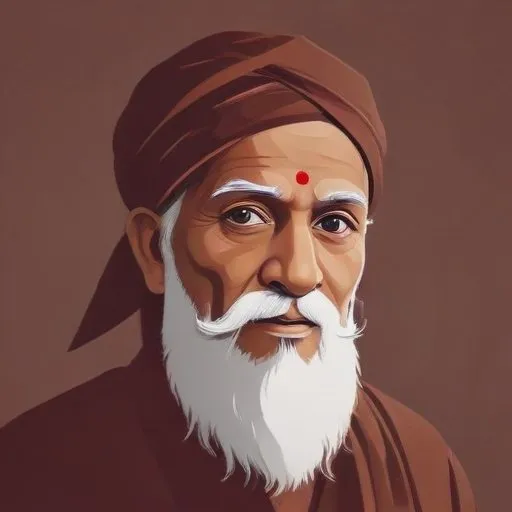
Bhaktivinoda Thakur: The Pioneering Philosopher and Spiritual Reformer of Gaudiya Vaishnavism
The Champion of Revival
Bhaktivinoda Thakur, born Kedarnath Datta, is renowned for spearheading the resurgence of Gaudiya Vaishnavism in India during the late 19th and early 20th centuries. As a prominent Indian Hindu philosopher, guru, and spiritual reformer, he played a pivotal role in propagating this spiritual tradition globally, earning him the reputation as a leading figure of his time.
Early Life and Spiritual Quest
Born on September 2, 1838, in Bengal, India, Bhaktivinoda Thakur embarked on a spiritual journey at the age of 29, becoming a devoted follower of
Chaitanya Mahaprabhu (1486-1533). Immersing himself in the study and practice of Chaitanya's teachings, he emerged as a prominent leader within the Chaitanya Vaishnava movement in Bengal.
Philosophical Contributions and Beliefs
Bhaktivinoda Thakur's philosophical contributions lie in reconciling Western reason and traditional belief. He accomplished this by incorporating modern critical analysis and Hindu mysticism in his writings, demonstrating the harmony between intellect and faith. His works emphasize the importance of devotion, self-realization, and service to the divine, mirroring the principles of Gaudiya Vaishnavism.
Major Works and Career Highlights
Bhaktivinoda Thakur's literary contributions are vast and diverse. Some of his notable works include:
- "Jaiva Dharma," a comprehensive treatise on Gaudiya Vaishnavism
- "Sri Caitanya Siksastakam," a collection of devotional songs and prayers
- "Sri Navadvipa Dhama Mahatmya," a guide to the sacred lands of Navadvipa
Impact on Modern Society
Bhaktivinoda Thakur's initiatives have had a profound impact on modern society. He:
- Founded and conducted "namahatta," a traveling preaching program that spread the theology and practices of Chaitanya Vaishnavism across rural and urban Bengal
- Opposed distortions of the original Chaitanya teachings, promoting the authenticity of Gaudiya Vaishnavism
- Rediscovered the lost site of Chaitanya's birth in Mayapur, near Nabadwip, and commemorated it with a prominent temple
Influence on the West
Bhaktivinoda Thakur's influence extends beyond Indian borders. In 1880, he sent copies of his works to notable figures such as
Ralph Waldo Emerson in the United States and Reinhold Rost in Europe, sowing the seeds of Gaudiya Vaishnavism's global spread.
Legacy and Historical Context
Bhaktivinoda Thakur's legacy is a testament to his tireless efforts to revive and propagate Gaudiya Vaishnavism. His pioneering work paved the way for the establishment of the Gaudiya Matha, a prominent preaching mission in the early 20th century, led by his son and spiritual heir, Bhaktisiddhanta Sarasvati.
Personal Milestones and Key Life Events
Bhaktivinoda Thakur's life was marked by significant milestones, including:
- Becoming a follower of Chaitanya Mahaprabhu at the age of 29
- Founding and conducting "namahatta" in his later years
- Rediscovering the lost site of Chaitanya's birth in Mayapur
Quotes and Memorable Sayings
Bhaktivinoda Thakur's words continue to inspire and guide devotees:
- "The treasure of love is not something that can be bought or sold, it is only available through the cultivation of devotion."
- "The true purpose of human life is to attain love for the divine, and thus achieve eternal happiness."
Bhaktivinoda Thakur's remarkable life and contributions have left an indelible mark on the world of spirituality and philosophy. His remarkable journey serves as a testament to the power of devotion, selflessness, and the pursuit of eternal truth.
FAQ
What were Bhaktivinoda Thakurs contributions to Indian philosophy?
Bhaktivinoda Thakur was an Indian guru and philosopher who made significant contributions to the development of Indian philosophy, particularly in the areas of Vaishnavism and Bhakti yoga.
What was Bhaktivinoda Thakurs early life like?
Bhaktivinoda Thakur was born in 1838 in Bengal, India, and was educated in philosophy and literature. He later became a prominent guru and philosopher, writing extensively on Vaishnavism and Bhakti yoga.
What are some of Bhaktivinoda Thakurs notable works?
Some of Bhaktivinoda Thakurs most notable works include his commentaries on Vaishnavite texts and his development of the concept of Pure Devotion in Bhakti yoga.
How did Bhaktivinoda Thakurs work impact Indian philosophy?
Bhaktivinoda Thakurs work on Vaishnavism and Bhakti yoga played a significant role in shaping the development of Indian philosophy, particularly in the areas of spirituality and self-realization.
What was Bhaktivinoda Thakurs legacy?
Bhaktivinoda Thakurs legacy is that of a pioneering guru and philosopher who played a key role in shaping the development of Indian philosophy and spirituality.