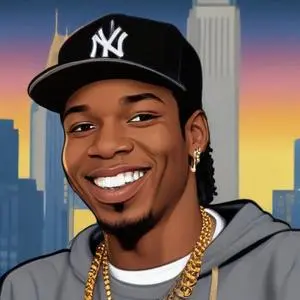
Big L: The Underground Rapper Who Left a Lasting Legacy
A Legendary Lyricist and Freestyler
Big L, born Lamont Coleman, was a renowned American rapper from Harlem, New York City, known for his exceptional freestyling ability and intricate wordplay. With a career spanning from 1992 to 1999, Big L made a significant impact on the underground hip-hop scene, earning him recognition from fans and fellow rappers alike.
Early Life and Career
Born on May 30, 1974, Coleman grew up in Harlem, where he developed a passion for hip-hop at a young age. His elder brother, Donald Phinazee, introduced him to Run-DMC at the age of seven, sparking his interest in rapping. By 12, Coleman was already an avid hip-hop fan, freestyling with friends in his neighborhood. In 1990, he formed a group called Three the Hard Way, which later disbanded due to lack of enthusiasm. This led to the formation of Two Hard Motherfuckers, with Doc Reem and Rodney.
Rise to Fame and Debut Album
Big L's talent didn't go unnoticed, and he eventually signed with Columbia Records in 1995. His debut album,
Lifestylez ov da Poor & Dangerous, was released the same year, showcasing his exceptional lyrical ability and unique wordplay. The album received positive reviews from critics, solidifying Big L's position in the underground hip-hop scene.
Influence and Praise from Fellow Rappers
Big L's impact on hip-hop was evident in the praise he received from fellow rappers. Nas, a renowned rapper, claimed that Big L's performance at the Apollo Theater scared him to death, forcing him to re-evaluate his own skills. Writers at AllMusic, HipHopDX, and The Source have also praised Big L for his lyrical ability, with Henry Adaso describing him as one of the most talented poets in hip-hop history.
Tragic Death and Lasting Legacy
On February 15, 1999, Big L's life was tragically cut short when he was fatally shot nine times in a drive-by shooting in Harlem. His death sent shockwaves through the hip-hop community, leaving fans and fellow rappers mourning the loss of a talented artist.
Legacy and Impact on Modern Hip-Hop
Despite his short career, Big L's influence on modern hip-hop is undeniable. His unique wordplay and freestyling ability have inspired a generation of rappers, and his music continues to be celebrated by fans worldwide. Big L's legacy serves as a testament to the power of underground hip-hop, reminding us that even the most talented artists can leave a lasting impact on the music world.
Quotes and Memorable Sayings
- "I'm not a rapper, I'm a poet, and my poems are my crimes."
- "If you ain't got the skills, you ain't got the right to rhyme."
Awards and Honors
Although Big L's life was cut short, his contributions to hip-hop have been recognized posthumously.
- Featured on The Source's "Unsigned Hype" column in 1995
- Named one of the "Top 50 MCs of Our Time" by About.com in 2014
Philosophical Contributions and Beliefs
Big L's lyrics often reflected his views on life, death, and the harsh realities of growing up in Harlem. His music served as a reflection of his experiences, offering a unique perspective on the world around him.
FAQ
What is Big Ls real name?
Big Ls real name is Lamont Coleman.
What is Big Ls most famous song?
Big Ls most famous song is Ebonics, which was released in 1998 and has become a cult classic in the hip-hop community.
What was Big Ls style of rap?
Big L was known for his unique lyrical style, which blended complex wordplay, witty rhymes, and vivid storytelling.
Did Big L release any studio albums?
Yes, Big L released one studio album, Lifestylez ov da Poor & Dangerous, in 1995, which received critical acclaim but was commercially unsuccessful.
What happened to Big L?
Tragically, Big L was shot and killed in a drive-by shooting in Harlem, New York, on February 15, 1999, at the age of 24.