


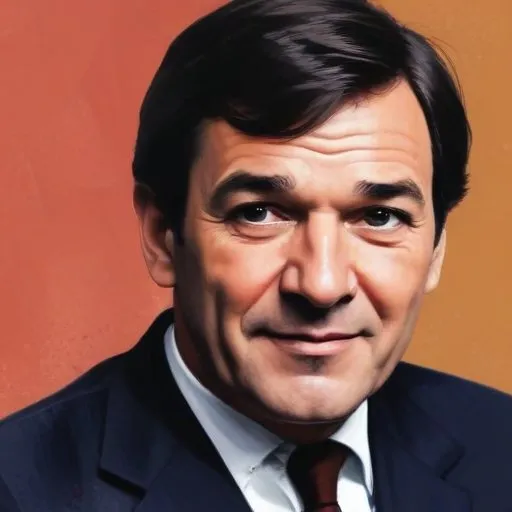
A legendary promoter who revolutionized the music industry by organizing iconic concerts and festivals, such as Woodstock and the Fillmore, shaping the cultural landscape of the 1960s.
Bill Graham, the renowned American impresario and rock concert promoter, is credited with defining the music scene of the 1960s. Through his innovative approach to concert production and promotion, Graham launched the careers of iconic rock bands and redefined the live music experience.
Born Wulf Wolodia Grajonca on January 8, 1931, in Berlin, Germany, Graham's early life was marked by turmoil. After his father's death, his mother placed him and his sister in an orphanage, where they were later sent to France as part of a pre-Holocaust exchange program. Graham eventually made his way to the United States, where he would go on to shape the music industry.
In the early 1960s, Graham moved to San Francisco and began managing the San Francisco Mime Troupe. His involvement in the city's thriving counterculture led to collaborations with local promoter Chet Helms, and together they organized benefit concerts that would eventually become a full-time career. Graham's entrepreneurial spirit and keen eye for talent transformed theFillmore and Winterland Ballroom into legendary venues, showcasing acts like the Grateful Dead, Jefferson Airplane, and Big Brother and the Holding Company with Janis Joplin.
Graham's influence extended beyond the San Francisco Bay Area, sponsoring a musical renaissance that reverberated globally. His commitment to artistic expression and community engagement helped cultivate a new genre of rock music. Through his work, Graham inspired a generation of musicians, promoters, and fans, leaving an indelible mark on the music industry.
Graham's approach to concert promotion was built on a foundation of artistic freedom and community building. He believed in creating an immersive experience that merged music, art, and politics, reflecting the era's countercultural values. This philosophy not only shaped the live music landscape but also influenced the broader cultural context.
Graham's legacy extends beyond the music industry, influencing modern society in various ways. His commitment to artistic expression and community engagement helped shape the cultural landscape of the 1960s, which in turn, paved the way for future generations of musicians and artists. Graham's innovative approach to concert promotion also raised the bar for live music experiences, setting a new standard for the industry.
"The most important thing in life is to learn how to give out love, and let it come in."
Graham's words of wisdom continue to inspire artists and entrepreneurs alike, serving as a reminder of the power of creativity, community, and love.
Bill Graham's life and work are a testament to the transformative power of music and artistic expression. His legacy serves as a beacon, illuminating the path for future generations of musicians, promoters, and cultural innovators. As a pioneering figure in the music industry, Graham's impact will continue to resonate, shaping the cultural landscape for years to come.
