


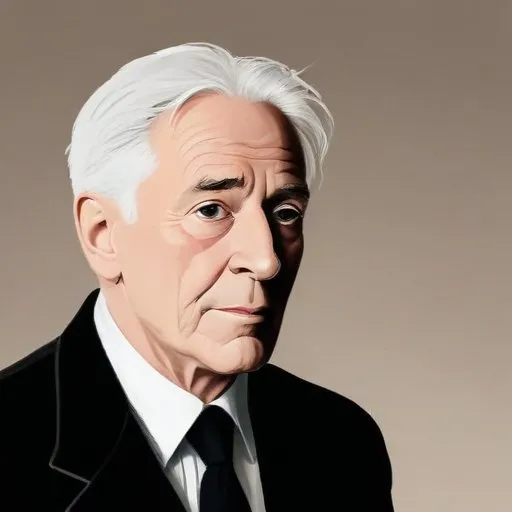
A celebrated poet and academic, known for capturing the essence of Australian culture and society through his thought-provoking works, often focusing on everyday life and human experiences.
Bruce Dawe is renowned for being one of the most influential Australian poets of all time, with a career spanning over six decades. His poetry collection, Sometimes Gladness, sold over 100,000 copies in several printings, cementing his position as a literary giant.
Born on February 15, 1930, in Fitzroy, Victoria, Dawe's paternal ancestors originated from Wyke Regis in Dorset, England, while his mother was of Lowland Scottish ancestry. His parents, who came from farming families in Victoria, encouraged him to write poetry from a young age.
Dawe attended six schools and dropped out of Northcote High School in Melbourne at the age of 16 without completing his Leaving Certificate. He then worked various jobs, including as a clerk, labourer, and sales assistant, before completing his adult matriculation by part-time study in 1953.
In 1954, Dawe enrolled at Melbourne University on a teaching scholarship, but soon moved to Sydney, where he worked as a labourer in a glass factory and later in a factory manufacturing batteries. During this period, he converted to Catholicism.
In 1959, Dawe joined the Royal Australian Air Force (RAAF) as a trainee telegraphist, later remustering as an education assistant. He taught literature in universities for over 30 years, earning numerous poetry awards and honors, including being named an Officer of the Order of Australia.
Some of his notable works include Sometimes Gladness, Nobody Stole the Pie, and Geoffrey Dutton: A Tribute. His poetry is known for its accessibility, wit, and insight into Australian culture and society.
Dawe's poetry often explored themes of Australian identity, social justice, and the human condition. He was deeply influenced by his Catholic faith and saw poetry as a way to explore the complexities of human experience.
Through his work, Dawe aimed to promote greater understanding and empathy, often using humor and irony to tackle complex issues. His poetry has been praised for its ability to engage readers and spark important conversations.
Dawe's poetry has had a significant impact on Australian literature and culture. His work has been widely studied in schools and universities, introducing generations of students to the world of poetry.
His influence can also be seen in popular culture, with his poetry often referenced in music, film, and television. Dawe's ability to connect with a broad audience has made him a beloved figure in Australian cultural life.
Bruce Dawe's remarkable life and career serve as a testament to the power of poetry to inspire and connect people. His legacy continues to be felt in Australian literature and beyond, ensuring his poetry remains an essential part of the country's cultural heritage.
Born in 1912
A celebrated Australian writer, known for his vivid and poignant portrayals of the human condition, earning him the Nobel Prize in Literature in 1973.
87 Years Old
A celebrated poet, critic, and anthologist who explored Australian identity and culture through his lyrical and evocative works, earning him numerous awards and accolades.
92 Years Old
An acclaimed writer of novels, poetry, and plays, known for exploring Australian identity and the human condition through lyrical prose and nuanced characters.
83 Years Old
Acclaimed author of imaginative and historically-inspired novels and short stories that often explore Australian identity and culture, winning numerous awards including the Booker Prize.
65 Years Old
Acclaimed writer of novels and plays that explore the Australian identity, known for vivid storytelling and poignant explorations of human relationships.
87 Years Old
A pioneering feminist writer and academic who challenged societal norms and expectations through her provocative writings and public persona.
86 Years Old
A charismatic and witty television host, author, and critic, best known for his humorous and insightful reviews of television, film, and literature.
