


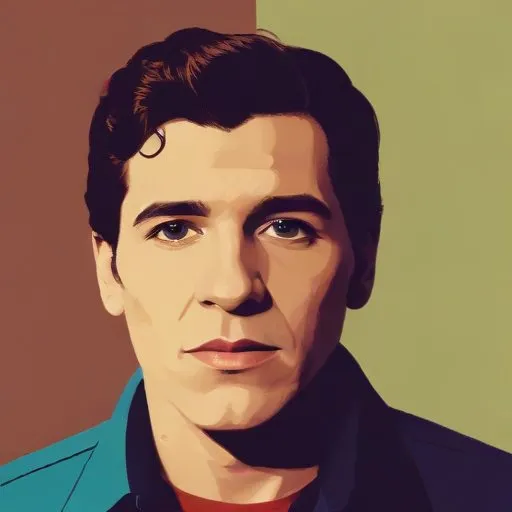
Early 20th-century popular singer and recording artist, known for his smooth baritone voice and hits like "After the Ball" and "Wait Till the Sun Shines, Nellie".
Byron George Harlan, known to the music world as Byron G. Harlan, was an American singer, comic minstrel, and balladeer who made waves in the music industry with his distinctive voice and charismatic performances. Alongside his frequent collaborator Arthur Collins, Harlan formed the iconic duo Collins & Harlan, producing hits that captivated audiences across the nation.
Harlan's impressive discography began in 1899, with his solo recording of "Please, Mr. Conductor, Don't Put Me Off The Train." This marked the start of an illustrious career, with Harlan going on to record over 100 songs, many of which became instant classics. His unique blend of humor, warmth, and vocal range made him an instant favorite among music enthusiasts.
Some of Harlan's most notable recordings include "Hello Central, Give Me Heaven" (1901), "Please Mother, Buy Me A Baby" (1903), and "My Gal Sal" (1905). These songs not only showcased his exceptional vocal talent but also reflected the era's cultural and social nuances.
One of Harlan's most significant collaborations was with Arthur Collins, with whom he formed the groundbreaking duo Collins & Harlan. Their pairing resulted in some of the most iconic recordings of the early 20th century, such as "They Were All Doing the Same" (1902) and "Meet Me Down at Luna Lena" (1903).
Harlan also worked with prominent musicians and composers of the time, including Will D. Cobb, Gus Edwards, and Charles K. Harris. These collaborations further cemented his status as a versatile and sought-after artist.
Byron G. Harlan's contributions to the music industry extend far beyond his impressive discography. He played a crucial role in shaping the development of popular music in the early 20th century, influencing countless artists and styles that followed.
Harlan's work with Collins & Harlan helped to popularize the concept of comedy duos, paving the way for future acts like Abbott and Costello and Martin and Lewis. His influence can also be seen in the emergence of vaudeville and musical theater, which drew heavily from his unique blend of music and comedy.
Byron G. Harlan's life was marked by a passion for music and performance. Born on August 29, 1861, in Kansas, Harlan began his career as a singer in local minstrel shows and vaudeville acts. His dedication to his craft earned him a devoted fan base and a lasting impact on the music industry.
Harlan passed away on September 11, 1936, but his legacy continues to inspire new generations of music enthusiasts. His remarkable voice, infectious humor, and boundless energy have left an indelible mark on the world of music, ensuring that Byron G. Harlan's legacy will endure for years to come.
76 Years Old
A beloved comedic genius, starring in iconic films like Groundhog Day and Ghostbusters, and known for his improvisational wit and quirky humor.
61 Years Old
Lead vocalist and guitarist of the iconic rock band Tool, known for his intricate guitar work and thought-provoking lyrics.
Born in 1873
The most popular operatic tenor of the early 20th century and the first great recording star, known for his powerful and emotive voice that captivated audiences worldwide through his recordings and live performances.
Born in 1884
A renowned Irish tenor and actor, celebrated for his powerful, emotive voice and charismatic stage presence, particularly in opera and musical theater.
