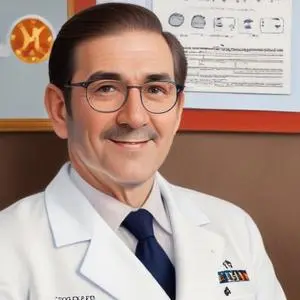
C. Everett Koop: A Champion of Public Health and Medicine
A Surgeon General Like No Other
C. Everett Koop, the 13th Surgeon General of the United States, is most notably recognized for his unwavering commitment to public health, particularly during the tumultuous era of the HIV/AIDS crisis in the 1980s. As the first and only Surgeon General to become a household name, Koop's tireless efforts to educate and inform the American public about the dangers of tobacco, AIDS, and the importance of children's health rights cemented his legacy as a champion of public health and medicine.
Early Life and Education
Born on October 14, 1916, in Brooklyn, New York, Koop was the only child of John Everett Koop, a banker, and Helen Apel Koop. He attended Flatbush School and later earned his Bachelor of Arts degree in zoology from Dartmouth College in 1937. Koop's interest in medicine was sparked by a childhood skiing accident, which led to a year-long hospitalization and a subsequent brain hemorrhage. He went on to earn his MD degree from Cornell Medical College in 1941 and a Doctor of Science degree in medicine from the University of Pennsylvania in 1947.
A Pioneering Medical Career
Koop's remarkable medical career spanned over four decades, during which he made significant contributions to the field of pediatric surgery. From 1946 to 1981, he served as the surgeon-in-chief at the Children's Hospital of Philadelphia (CHOP), where he established the nation's first neonatal surgical intensive care unit in 1956. Additionally, he helped develop the biliary atresia program at CHOP and established the pediatric surgery fellowship training program.
A Legacy of Leadership and Advocacy
As Surgeon General, Koop's leadership and advocacy extended beyond the medical community. He was a vocal opponent of tobacco use, and his unwavering stance against the tobacco industry's attempts to downplay the risks of smoking helped to shape public policy. Koop's commitment to addressing the AIDS crisis, despite initial reluctance from the Reagan administration, earned him widespread recognition and praise. He also championed the rights of children with disabilities, working tirelessly to ensure equal access to healthcare and education for all.
Awards and Honors
Koop's remarkable achievements were recognized with numerous awards and honors, including:
- The Albert Lasker Public Service Award (1987)
- The Presidential Medal of Freedom (1995)
- The Congressional Gold Medal (2011)
Legacy and Impact
C. Everett Koop's legacy extends far beyond his remarkable medical career and public service. He inspired a generation of healthcare professionals, policymakers, and advocates to prioritize public health and champion the rights of marginalized communities. As a fierce advocate for science-based policy and evidence-based medicine, Koop's influence continues to shape the national conversation around healthcare and public policy.
Personal Milestones and Key Life Events
Koop's personal life was marked by significant milestones, including:
- Marriage to Betty Flanagan in 1938, with whom he had three children
- Service as a commissioned officer in the U.S. Army Medical Corps during World War II
- Induction into the National Inventors Hall of Fame (2007)
Philosophical Contributions and Beliefs
Throughout his career, Koop adhered to a steadfast commitment to scientific integrity, evidence-based medicine, and the importance of public health education. He believed that healthcare was a fundamental human right, and that access to quality healthcare should be a priority for all individuals, regardless of socioeconomic status or background.
Controversies and Public Perception
Koop's unwavering stance on controversial issues, such as abortion and AIDS, earned him both praise and criticism. While some critics accused him of being overly confrontational, others hailed him as a courageous champion of public health.
Quotes and Memorable Sayings
Koop's memorable quotes and sayings include:
- "Knowledge is the antidote to fear."
- "I'm not a politician, I'm a doctor."
- "The greatest glory in living lies not in never falling, but in rising every time we fall."
Historical Context and Legacy
C. Everett Koop's remarkable legacy is indelibly etched in the annals of American history. As a champion of public health, a pioneering medical professional, and a vocal advocate for the rights of marginalized communities, Koop's influence continues to shape the national discourse around healthcare and public policy.
FAQ
What was C. Everett Koops most notable achievement as US Surgeon General?
C. Everett Koops most notable achievement as US Surgeon General was his campaign against tobacco, which helped to raise awareness about the dangers of smoking and led to significant declines in smoking rates.
What was C. Everett Koops stance on AIDS?
C. Everett Koop was a vocal advocate for AIDS awareness and education, taking a compassionate and non-judgmental approach to the epidemic. He issued a landmark report on AIDS in 1987, which helped to reduce stigma and promote understanding.
How did C. Everett Koops medical background influence his policies?
C. Everett Koops medical background, as a pediatric surgeon, greatly influenced his policies as Surgeon General. He brought a physicians perspective to public health issues, emphasizing the importance of prevention, education, and evidence-based decision-making.
What awards and honors did C. Everett Koop receive?
C. Everett Koop received numerous awards and honors, including the Albert Lasker Public Service Award, the Presidential Medal of Freedom, and the National Medal of Science.
What was C. Everett Koops legacy in public health?
C. Everett Koops legacy in public health is one of courageous leadership and advocacy. He championed critical health issues, from tobacco control to AIDS awareness, and inspired future generations of public health professionals.