


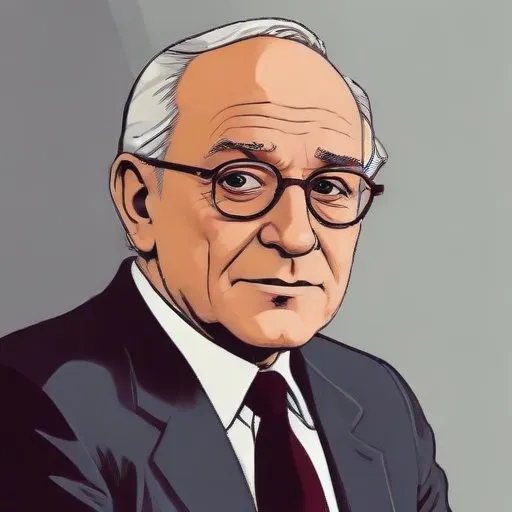
Noted for designing iconic buildings and shaping architectural education, this figure left a lasting impact on the built environment.
Carl Graffunder, a midcentury modernist architect, left an indelible mark on Minnesota's architectural landscape with his unique blend of European modernism, Frank Lloyd Wright, and Antonin Raymond inspirations. His remarkable designs, which spanned residential and commercial structures, continue to inspire awe and admiration.
Born on March 23, 1919, in Rock Island, Illinois, Graffunder was raised in Hibbing, Minnesota. He went on to receive his Bachelor of Architecture from the University of Minnesota in 1942 and later earned his Master of Architecture from Harvard University in 1948.
Graffunder's architectural style was deeply influenced by European modernism, as well as the works of Frank Lloyd Wright and Antonin Raymond. He honed his skills as the chief draftsman for Antonin Raymond in New York City from 1946 to 1947. This experience had a profound impact on his approach to design, which he later brought to Minnesota.
Graffunder taught at the University of Minnesota School of Architecture from 1948 until his retirement in the 1980s, inspiring generations of architects and leaving a lasting impact on the field. His contributions to Minnesota's architectural heritage are still celebrated today, and his buildings remain a testament to his innovative spirit and dedication to modernist principles.
Graffunder's life was marked by several significant milestones, including his marriage and the birth of his children. He passed away on August 27, 2013, leaving behind a legacy that continues to inspire architects, designers, and architecture enthusiasts alike.
Graffunder's work was guided by a deep commitment to modernist principles, which he saw as a means to create functional, efficient, and beautiful buildings that served the needs of their inhabitants. His designs were characterized by simplicity, clarity, and a focus on the user experience.
Through his work, Graffunder demonstrated that modernist architecture could be both aesthetically pleasing and functional, challenging traditional notions of what buildings should look like and how they should be used. His contributions to the field of architecture continue to inspire new generations of designers and architects.
Born in 1867
Visionary architect behind iconic, harmonious structures that blend seamlessly into their surroundings, redefining modern American architecture.
Born in 1856
Designed iconic buildings that blended functionality with ornate details, revolutionizing American architecture with his innovative "form follows function" philosophy.
Born in 1846
Designed the iconic World's Columbian Exposition in Chicago, showcasing innovative neoclassical architecture that influenced urban planning and design. This visionary's work continues to inspire modern cityscapes.
