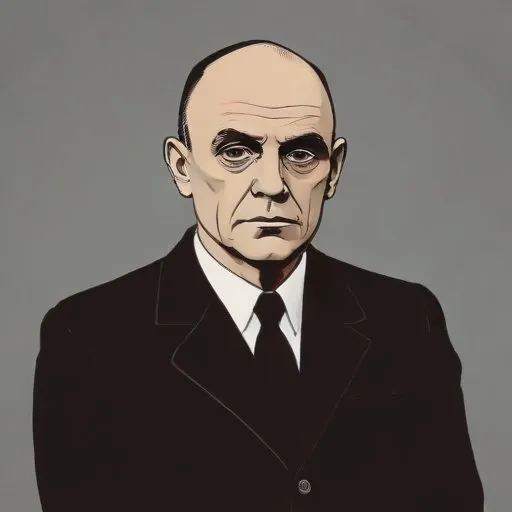
Carl Panzram: The Ruthless Serial Killer with a Turbulent Past
A Life of Crime and Debauchery
Carl Panzram is notoriously known for being one of the most prolific serial killers in American history, confessing to the brutal murders of 21 boys and men, with some estimates suggesting the true number could be over 100. His heinous crimes, which included rape, arson, robbery, and burglary, left a trail of terror across the United States.
A Troubled Childhood
Born on June 28, 1891, on a farm near East Grand Forks, Minnesota, Panzram was the sixth of seven children to East Prussian immigrants Johann and Mathilda Panzram. His early life was marked by hard labor, physical punishment, and emotional neglect. Panzram's parents forced him and his siblings to work on the farm from a young age, often for 12 hours a day, with only two hours of sleep before school. This grueling routine, coupled with brutal punishments and starvation, instilled a sense of resentment and rebellion in young Panzram.
A Life of Rebellion and Crime
By the age of five, Panzram claimed to be a liar and a thief, and his behavior only grew more menacing as he grew older. His father abandoned the family when he was just seven years old, and four of his five older brothers left soon after. This tumultuous upbringing spawned a lifetime of criminal behavior, with Panzram committing his first burglary at the age of 11.
Prison Life and Confessions
Panzram's numerous prison stints and daring escapes only fueled his notoriety. It was during one of these prison terms that he began writing his autobiography, which would later become a chilling confessional. In his writings, Panzram detailed his crimes, including the murders, rapes, and arsons that had gone undetected for years. His unflinching candor and lack of remorse only added to the public's fascination with his dark and twisted persona.
The End of a Notorious Life
On September 5, 1930, Carl Panzram's reign of terror ended with his execution by hanging at the United States Penitentiary in Leavenworth, Kansas. His final act of defiance came when he refused to appeal his sentence, proclaiming, "I am part of the grand scheme, and I have played my part."
Legacy of Evil
Panzram's impact on American criminal history is undeniable. His brutal crimes and unapologetic confessions have captivated the public's imagination, inspiring countless books, films, and documentaries. His life serves as a cautionary tale about the devastating consequences of unchecked violence and the dangers of unchecked power.
- "I am a key figure in the grand pageant of humanity, and I have played my part." - Carl Panzram
- Panzram's autobiography, penned while in prison, remains one of the most disturbing and insightful accounts of a serial killer's mind.
- Despite his heinous crimes, Panzram's writings have been praised for their literary merit and unflinching honesty.
FAQ
What was Carl Panzrams life and crimes like?
Carl Panzram was an American serial killer who committed numerous murders, burglaries, and arsons throughout his life. He was known for his brutal and violent behavior, earning him the nickname The Killer.
How did Carl Panzrams childhood shape his later behavior?
Carl Panzrams childhood was marked by abuse, neglect, and institutionalization, which likely contributed to his later criminal behavior and violent tendencies.
What were Carl Panzrams most notorious crimes?
Carl Panzrams most notorious crimes include the murder of a sailor in 1920 and the burning of a YMCA building in 1922, which resulted in the death of several people.
How did Carl Panzrams crimes impact society?
Carl Panzrams crimes shocked and horrified the public, leading to increased calls for stricter laws and harsher punishments for violent offenders. His case also sparked debates about the effectiveness of the criminal justice system.
What was Carl Panzrams fate after his arrests?
Carl Panzram was arrested multiple times for his crimes and eventually executed by hanging in 1929 for the murder of a prison laundry foreman.