


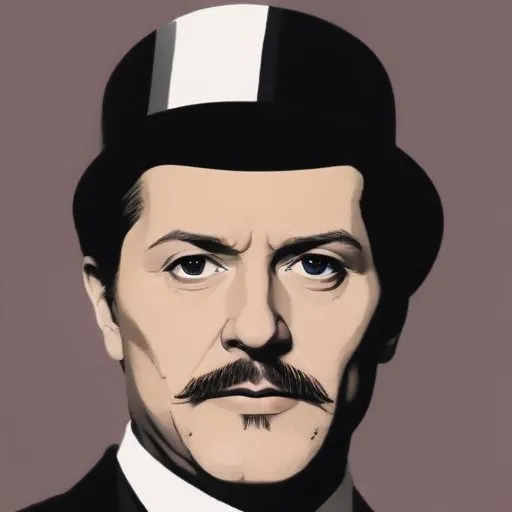
A renowned Swedish opera singer, actor, and director, known for his powerful voice and impressive stage presence, particularly in Mozart and Verdi operas.
Carl Stenborg, a renowned Swedish opera singer, composer, and theatre director, is widely regarded as one of the leading opera singers of the Gustavian era. He was a trailblazer in the Royal Swedish Opera, a prestigious institution that shaped the country's cultural landscape.
Born on September 8, 1752, in Stockholm, Carl Stenborg was the son of actor Petter Stenborg, the director of the Stenborg Troupe, and Anna Krager. His family's artistic background and his mother's connection to the nobleman and statesman Adam Horn likely influenced his early education and career trajectory.
Stenborg debuted as a concert singer in Riddarhuset in 1766 and was appointed councillor at the Royal Court of Sweden in 1767. This unusual appointment was likely due to his family's connections or his exceptional talent. By 1773, he had become the leading male star of the Royal Swedish Opera, performing in Francesco Uttini's opera Thetis och Ple opposite the primadonna Elisabeth Olin, with whom he had a romantic relationship.
In addition to his singing career, Stenborg was an accomplished theatre director. He directed his father's theatres from 1780 to 1799 and was allowed to perform in them from 1788. He was also engaged to perform in Copenhagen and Oslo in 1793, showcasing his talent beyond Sweden's borders.
In 1793, Stenborg married the singer Betty Olin, daughter of Elisabeth Olin, and performed with her in various productions. His personal life was marked by significant relationships, including his early romance with Elisabeth Olin. Stenborg's contributions to Swedish opera and theatre have left a lasting impact on the country's cultural heritage, earning him a place among the pioneers of the Royal Swedish Opera.
Stenborg's achievements were recognized with several honors, including his appointment as royal secretary in 1782.
Carl Stenborg's influence on Swedish opera and theatre paved the way for future generations of artists. His legacy continues to inspire new talent and shape the country's cultural identity.
Carl Stenborg's remarkable career as an opera singer, composer, and theatre director has left an indelible mark on Swedish cultural history. His pioneering spirit, exceptional talent, and dedication to the arts have inspired generations of artists and continue to shape the country's cultural landscape.
Born in 1843
A renowned 19th-century opera singer celebrated for her powerful, expressive voice and captivating stage presence, earning her the title "Queen of Song."
Born in 1873
The most popular operatic tenor of the early 20th century and the first great recording star, known for his powerful and emotive voice that captivated audiences worldwide through his recordings and live performances.
Born in 1873
A renowned Russian opera singer celebrated for his powerful, expressive voice and iconic performances in roles like Boris Godunov, bringing opera to the masses through his charismatic stage presence.
Born in 1833
A renowned pianist and composer, he crafted complex, expressive works that blended traditional and innovative techniques, leaving an indelible mark on classical music.
Born in 1809
A renowned 19th-century musician who masterfully blended classical and romantic styles, creating iconic works like the "Wedding March" and "Elijah" oratorio. His compositions continue to inspire and influence generations of artists.
Born in 1810
A renowned Romantic-era composer and influential music critic, known for his expressive and emotionally charged works, including symphonies, piano music, and art songs.
Born in 1813
A renowned composer of iconic operas like La Traviata and Aida, known for his masterful blending of drama and music. His works continue to captivate audiences worldwide.
Born in 1813
A revolutionary composer who transformed opera with his epic, mythological works, creating a new era of musical storytelling. His iconic operas, such as "Der Ring des Nibelungen," continue to captivate audiences worldwide.
