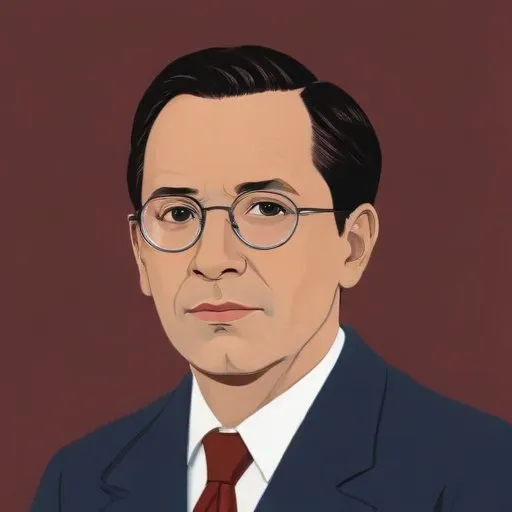
Carl Van Vechten: The Patron of the Harlem Renaissance
A Writer, Photographer, and Champion of the Arts
Carl Van Vechten was an American writer and artistic photographer who gained fame as a writer and notoriety for his 1926 novel
Nigger Heaven, a controversial work that sparked both praise and criticism. As the literary executor of
Gertrude Stein, Van Vechten played a significant role in promoting the works of the Lost Generation, a group of American expatriates who revolutionized literature in the early 20th century.
Early Life and Education
Born on June 17, 1880, in Cedar Rapids, Iowa, Van Vechten was the youngest child of Charles Duane Van Vechten and Ada Amanda Van Vechten (née Fitch). Both of his parents were well-educated, and his father was a wealthy and prominent banker. His mother, who established the Cedar Rapids Public Library, possessed great musical talent. Van Vechten developed a passion for music and theatre from a young age.
Education and Early Career
After graduating from Washington High School in 1898, Van Vechten attended the University of Chicago, where he studied a variety of subjects, including music, art, and opera. He became increasingly interested in writing and wrote for the college newspaper, the University of Chicago Weekly. After graduating in 1903, Van Vechten accepted a job as a columnist for the Chicago American, where he wrote "The Chaperone," a column that covered various topics through a style of semiautobiographical gossip and criticism.
Rise to Fame and Controversy
Van Vechten's writing career took off in the 1920s, with the publication of his novel
Nigger Heaven, which sparked controversy due to its title and subject matter. Despite the backlash, the novel became a commercial success, and Van Vechten's reputation as a writer was solidified.
Photography and Portraiture
In his later years, Van Vechten took up photography, capturing portraits of notable figures, including
Langston Hughes,
Zora Neale Hurston, and
Bessie Smith. His photography career was marked by a series of portraits that showcased the beauty and talent of the Harlem Renaissance.
Personal Life and Relationships
Van Vechten was married to women for most of his adult life, but he also engaged in numerous homosexual affairs. His personal relationships were often tumultuous, and his sexuality was a subject of much speculation and controversy during his lifetime.
Legacy and Impact
Carl Van Vechten's legacy is complex and multifaceted. As a writer, he was a champion of the Harlem Renaissance, and his work helped to promote the talents of African American writers and artists. As a photographer, he captured the beauty and essence of the era, preserving it for generations to come. Despite the controversies surrounding his personal life and work, Van Vechten remains an important figure in American literary and cultural history.
Major Works
- Nigger Heaven (1926) - novel
- Peter Whiffle: His Life and Works (1922) - novel
- The Tattoed Countess (1924) - novel
Awards and Honors
- Appointed as the literary executor of Gertrude Stein's estate (1946)
Trivia and Fun Facts
- Van Vechten was known for his love of cats and had many feline companions throughout his life.
- He was a prolific correspondent and wrote thousands of letters to friends, family, and acquaintances.
FAQ
What was Carl Van Vechtens role in the Harlem Renaissance?
Carl Van Vechten was a white American author and photographer who played a significant role in promoting and celebrating African American culture during the Harlem Renaissance. He was a close friend and patron to many prominent black artists and writers.
How did Carl Van Vechtens photography capture the essence of the Harlem Renaissance?
Carl Van Vechtens photography during the Harlem Renaissance provided a visual record of the eras vibrant cultural scene. His portraits of prominent figures, including Langston Hughes and Zora Neale Hurston, are highly regarded for their artistic and historical significance.
What was Carl Van Vechtens most famous literary work?
Carl Van Vechtens novel, Peter Whiffle, published in 1922, is considered his most famous literary work. The novel explores themes of identity, morality, and the search for meaning in modern life.
How did Carl Van Vechtens interests in music and dance impact his writing?
Carl Van Vechtens love for music and dance influenced his writing, which often explored the intersection of art, culture, and society. His writing reflects his fascination with the creative process and the artistic expression of the time.
What is Carl Van Vechtens lasting legacy in American cultural history?
Carl Van Vechtens cultural and literary contributions have had a lasting impact on American cultural history. His work helped bridge the gap between the white and black communities, promoting cross-cultural understanding and artistic collaboration.