


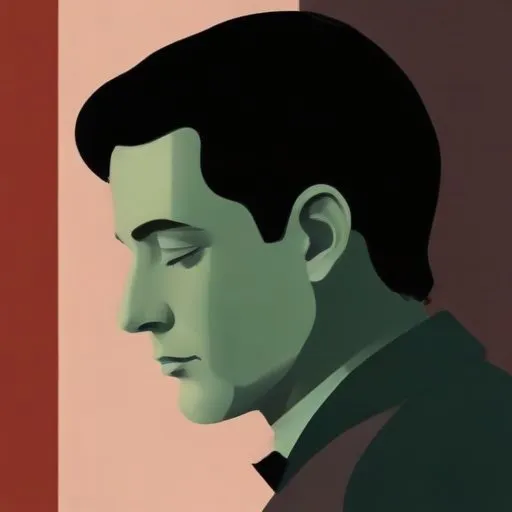
Noted for his virtuosic piano performances and compositions that blended classical and romantic styles, he was a prominent figure in 19th-century Italian music.
Born on August 25, 1829, in Italy, Carlo Acton was destined for greatness. His father, Francis Charles Acton, was the youngest son of General Joseph Acton, while his mother, Esther, was a daughter of the Irish painter Robert Fagan. This rich cultural heritage undoubtedly shaped Acton's musical journey.
Acton's compositional style was characterized by its lyricism, elegance, and emotional depth. His opera, Una cena in convitto, showcased his mastery of dramatic music, while his sacred compositions, such as Tantum ergo, demonstrated his ability to create beautiful, soaring melodies.
Acton's contributions to the world of classical music were significant, and his compositions continue to be performed and admired today. His legacy extends beyond his music, as he also played a crucial role in promoting Italian music and culture during his lifetime.
Little is known about Acton's personal life, but it is clear that he was deeply devoted to his craft and his faith. His sacred music compositions reflect his profound spirituality, and his contributions to the world of music are a testament to his dedication and passion.
Carlo Acton's legacy is one of beauty, elegance, and devotion. His music continues to inspire and uplift audiences, and his contributions to the world of classical music remain unparalleled. As a composer, pianist, and devoted servant of his craft, Acton left an indelible mark on the world of music.
While specific awards and honors are unknown, Acton's contributions to the world of classical music are a testament to his excellence and dedication.
Born in 1770
A musical genius who expanded the possibilities of classical music, creating iconic symphonies and piano sonatas that continue to inspire and influence generations of artists.
Born in 1756
A child prodigy and master of classical music, he composed over 600 works, including symphonies, operas, and chamber music, that continue to inspire and influence musicians today.
Born in 1833
A renowned pianist and composer, he crafted complex, expressive works that blended traditional and innovative techniques, leaving an indelible mark on classical music.
Born in 1811
A virtuosic pianist and composer who revolutionized classical music with his technically demanding and emotionally expressive works, blending Hungarian folk influences with Romantic-era drama.
Born in 1810
A Polish pianist and composer renowned for his delicate, expressive, and technically demanding piano music that evokes deep emotions and continues to inspire generations of musicians and music lovers. His nocturnes, waltzes, and preludes are staples of classical music.
Born in 1810
A renowned Romantic-era composer and influential music critic, known for his expressive and emotionally charged works, including symphonies, piano music, and art songs.
Born in 1813
A renowned composer of iconic operas like La Traviata and Aida, known for his masterful blending of drama and music. His works continue to captivate audiences worldwide.
Born in 1813
A revolutionary composer who transformed opera with his epic, mythological works, creating a new era of musical storytelling. His iconic operas, such as "Der Ring des Nibelungen," continue to captivate audiences worldwide.
