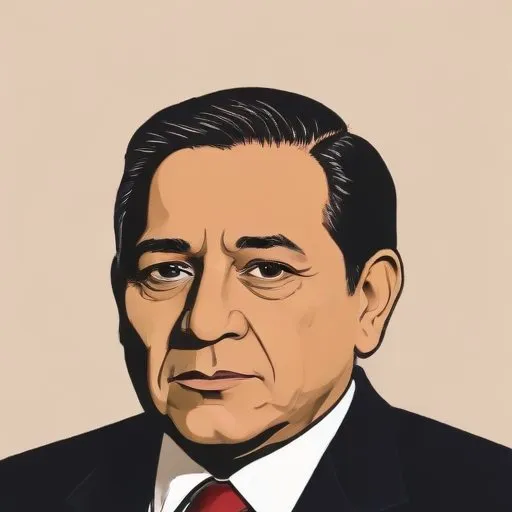
Carlos Graça

Carlos Graça

Carlos Graça was born on December 22nd, 1931

Born: December 22, 1931
Place of Birth: São Tomé, São Tomé and Principe
Profession: Lawyer and politician
Known for: Prime Minister of São Tomé and Principe
Nationality: São Toméan
Party: Movement for the Liberation of São Tomé and Principe
Prime Ministerial career: 1975-1979
Education: University of Lisbon

A São Toméan lawyer and politician who served as Prime Minister of São Tomé and Príncipe, known for leading the country's government and shaping its policies.

Written by: Emily Carter Emily Carter

Carlos Graa: The Architect of Democracy in São Tomé and Principe

Carlos Graa, a name synonymous with democracy and freedom in São Tomé and Principe, was the 6th Prime Minister of the island nation, serving from 1994 to 1995. He was a co-founder of the Movement for the Liberation of São Tomé and Principe (MLSTP) and played a pivotal role in the country's transition from a one-party state to a multiparty democracy.

Early Life and Career

Graa was born on December 22, 1931, and was one of the key figures in the fight for independence from Portugal. After the 1974 revolution in Portugal, he was part of the transition government that prepared São Tomé and Principe for independence in 1975.

Rise to Prominence

Graa's opposition to the regime's move towards a dictatorial Marxist-Leninist regime led to his imprisonment for 24 years and subsequent exile in 1977. However, in 1987, he was invited back to São Tomé by Manuel Pinto da Costa to prepare the country for a transition to a multiparty democracy.

Path to Premiership

From 1988 to 1990, Graa served as Minister of Foreign Affairs, playing a key role in the drafting of the new democratic constitution and the country's first free elections. He led the MLSTP to victory in the 1994 general elections and became Prime Minister, a position he held from October 25, 1994, to December 31, 1995, with a brief interruption due to a military coup in 1995.

Legacy and Impact

Graa is widely regarded as one of the main architects of democracy in São Tomé and Principe. His commitment to democracy and human rights earned him the respect and admiration of the international community. He was also an accomplished writer, publishing "Essay on the Human Condition" in 2004.

Awards and Honors

Personal Life and Death

Graa passed away on April 17, 2013, at the age of 81, in Lisbon. His legacy continues to inspire generations in São Tomé and Principe and beyond.

In conclusion, Carlos Graa's unwavering commitment to democracy, human rights, and freedom has left an indelible mark on the history of São Tomé and Principe. His inspiring story serves as a beacon of hope for those fighting for democracy and human rights around the world.

Timeline
1931
Born in São Tomé and Príncipe
Carlos Graça was born on December 22, 1931, in São Tomé and Príncipe. He would go on to become a prominent lawyer and politician.
1955
Begins Law Career
Graça began his law career in 1955, practicing law in São Tomé and Príncipe.
1975
Becomes Prime Minister
Graça became the Prime Minister of São Tomé and Príncipe in 1975, serving for several years.
1985
Loses Election
Graça lost the 1985 election, ending his term as Prime Minister.
1995
Retires from Politics
Graça retired from politics in 1995, after a long and distinguished career.
Carlos Graça

Carlos Graça Quiz

What is Carlos Graça's profession?

Score: 0/5
FAQ
What is Carlos Graças role in São Toméan politics?
Carlos Graça is a São Toméan lawyer and politician who served as the Prime Minister of São Tomé and Príncipe from 1994 to 1995.
What are Carlos Graças contributions to São Toméan development?
Graça has made significant contributions to the development of São Tomé and Príncipe, focusing on economic growth, education, and healthcare during his tenure as Prime Minister.
What international organizations has Carlos Graça worked with?
Graça has worked with various international organizations, including the United Nations and the African Union, to promote development and cooperation in São Tomé and Príncipe.
What is Carlos Graças legacy in São Toméan politics?
Graças legacy in São Toméan politics is one of stability and progress, having played a key role in the countrys transition to democracy and economic development.
How did Carlos Graças legal background influence his political career?
Graças legal background provided a strong foundation for his political career, enabling him to draft and implement key legislation that benefited the people of São Tomé and Príncipe.