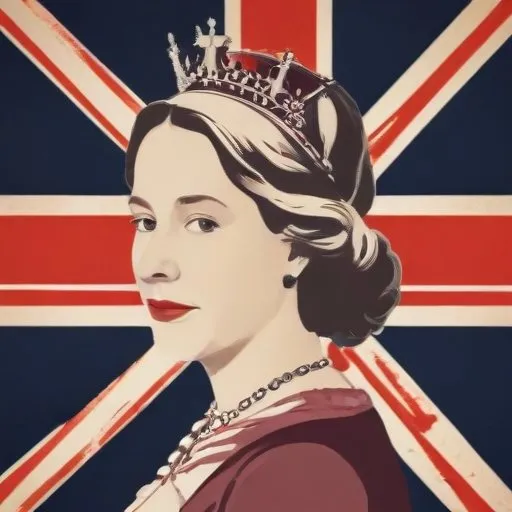
Caroline of Ansbach: The Enlightened Queen of Great Britain and Ireland
A Beacon of Liberalism in the 18th Century
Caroline of Ansbach, also known as Wilhelmina Charlotte Caroline, was the Queen of Great Britain and Ireland from 1727 until her death in 1737. As the wife of King George II, she played a crucial role in shaping the political and cultural landscape of her time, earning her a reputation as a patron of the arts and a champion of liberal values.
Early Life and Education
Born on March 1, 1683, Caroline was the daughter of Margrave John Frederick of Brandenburg-Ansbach, a member of the House of Hohenzollern. After being orphaned at a young age, she was taken under the wing of King Frederick I and Queen Sophia Charlotte of Prussia, who provided her with a liberal education and instilled in her a passion for the arts and sciences. This upbringing would have a profound impact on her later life as queen.
Rise to Prominence
As a young woman, Caroline was highly sought after as a bride, eventually marrying George Augustus, the third in line to the English throne, in 1705. The couple had eight children, seven of whom reached adulthood. When her husband became Prince of Wales in 1714, Caroline moved to Britain permanently, where she quickly became involved in politics, rallying opposition to her father-in-law, King George I.
Political Influence and Patronage
Caroline's association with
Robert Walpole, a skilled politician and former government minister, helped her husband's reconciliation with King George I in 1720. Walpole went on to become the leading minister, and Caroline's influence extended to the arts, where she patronized writers and intellectuals, such as Alexander Pope and Jonathan Swift.
Reign as Queen
Upon her husband's accession to the throne in 1727, Caroline became queen and electress, with her eldest son, Frederick, becoming Prince of Wales. However, her relationship with her son was strained, as he became a focus for opposition, just as his father had been before him.
Legacy and Impact
Caroline's liberal outlook and patronage of the arts had a lasting impact on British culture and society. She played a key role in shaping the Georgian era, promoting the values of the Enlightenment and supporting the development of the arts and sciences. Her legacy can be seen in the many institutions and buildings that bear her name, including the Caroline Divinity School at Cambridge University.
Personal Milestones and Key Life Events
- 1683: Born on March 1st in Ansbach, Germany
- 1705: Married George Augustus, third in line to the English throne
- 1714: Moved to Britain permanently when her husband became Prince of Wales
- 1720: Reconciliation with King George I through Robert Walpole's mediation
- 1727: Became Queen of Great Britain and Ireland upon her husband's accession to the throne
- 1737: Died on November 20th at the age of 54
Quotes and Memorable Sayings
"I have always been of the opinion that the most efficacious way to promote virtue and piety is by example." - Caroline of Ansbach
Historical Context and Legacy
Caroline's reign marked a significant shift in British politics and culture, as the country moved towards a more liberal and enlightened era. Her patronage of the arts and sciences helped to establish Britain as a center of learning and culture, paving the way for future generations of writers, artists, and thinkers. As a queen, Caroline's legacy continues to inspire and influence British society to this day.
FAQ
What was Caroline of Ansbachs role as Queen of Great Britain?
Caroline of Ansbach was a powerful Queen of Great Britain, serving as regent for her husband, King George II. She played a key role in shaping British politics and culture during the early 18th century.
How did Caroline of Ansbach influence the arts and sciences in Britain?
Caroline of Ansbach was a patron of the arts and sciences, and her influence helped to establish Britain as a center of intellectual and cultural activity. She supported prominent thinkers and artists, including Isaac Newton and Handel.
What was Caroline of Ansbachs relationship like with her husband, King George II?
Caroline of Ansbach had a close and supportive relationship with her husband, King George II. She was his trusted advisor and confidante, and helped to navigate the complexities of British politics.
How did Caroline of Ansbachs German background shape her approach to politics?
Caroline of Ansbachs German background had a significant impact on her approach to politics, as she brought a European perspective to British politics. Her experience as a German princess helped to inform her views on international relations and diplomacy.
What is Caroline of Ansbachs legacy in British history?
Caroline of Ansbachs legacy in British history is that of a wise and influential queen, who played a crucial role in shaping the countrys politics, culture, and intellectual life during the 18th century