


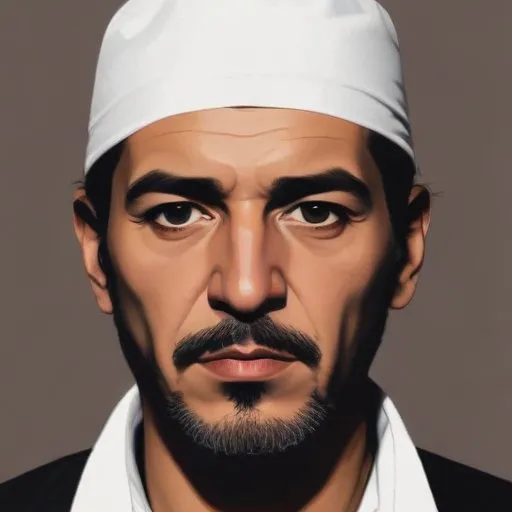
A Turkish rock musician and songwriter who blended Anatolian folk music with Western rock, creating a unique sound that inspired a generation of Turkish musicians.
Cem Karaca, the Turkish rock musician, is widely regarded as one of the most important figures in the Anatolian rock movement. With his unique blend of traditional Turkish folk music and Western rock influences, Karaca brought a new wave of sound to the Turkish music scene, leaving an indelible mark on the country's cultural landscape.
Born on April 5, 1945, in Istanbul, Turkey, Karaca was the only child of Mehmet Ibrahim Karaca, a theater actor of Azerbaijani origin, and Irma Felekyan, a popular opera, theater, and movie actress of Armenian origin. This mixed cultural heritage would later influence Karaca's music, which often incorporated elements of Turkish folk, rock, and Western music.
Karaca's musical journey began in his teenage years, when he formed his first band, Dynamites, a classic rock cover band. He later joined Jaguars, an Elvis Presley cover band, before eventually venturing into writing his own music.
In 1967, Karaca joined the band Apalar, marking the beginning of his Anatolian rock era. This period saw him write some of his most iconic songs, including "Emrah," which earned him second place at the prestigious Golden Microphone music contest.
The following years saw Karaca collaborate with various bands, including Kardalar and Moellar, before eventually forming his own band, Dervian, in 1974. With Dervian, Karaca continued to push the boundaries of Anatolian rock, incorporating poetic and progressive elements into his music.
Karaca's music and message of social change did not go unnoticed by the Turkish authorities. During the 1970s, a period of political turmoil in Turkey, Karaca was accused of treason and suspected of involvement in rebel organizations. His music was seen as a threat to the establishment, and he was subsequently persecuted for his beliefs.
Despite the challenges he faced, Karaca's music continues to inspire generations of Turkish musicians and fans alike. His unique sound, which blended traditional Turkish folk with Western rock influences, paved the way for a new wave of Anatolian rock musicians.
Karaca's legacy extends beyond his music, too. He was a vocal advocate for social change and championed the causes of the underprivileged and marginalized. His message of hope and rebellion continues to resonate with people around the world.
Karaca was a graduate of Robert College, one of Turkey's most prestigious educational institutions. He passed away on February 8, 2004, leaving behind a legacy that continues to inspire and influence Turkish music to this day.
"Music is not just a hobby, it's a way of life. It's a way of expressing your feelings, your thoughts, and your soul."
"I want my music to be a reflection of the times we live in, to be a voice for the voiceless, and to inspire change."
84 Years Old
A Turkish rock legend who blended Eastern and Western influences, creating a unique sound that captivated audiences in the 1960s and 1970s.
