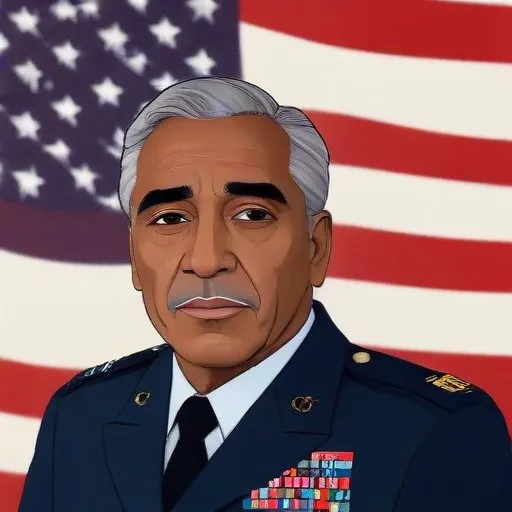
Charles Rangel: The Dean of New York's Congressional Delegation
A Legacy of Public Service and Leadership
Charles Rangel, the renowned American politician, is best known for his remarkable 46-year tenure as a U.S. representative for districts in New York City, serving from 1971 to 2017. As the second-longest serving incumbent member of the House of Representatives at the time of his retirement, he left an indelible mark on the political landscape of the United States.
A Life of Service and Distinction
Born on June 11, 1930, in Harlem, Upper Manhattan, Rangel grew up to become a decorated war hero, earning a Purple Heart and a Bronze Star for his bravery during the Korean War. His leadership skills were evident even then, as he led a group of soldiers out of a deadly Chinese army encirclement during the Battle of Kunuri in 1950.
Pursuing Education and Law
After the war, Rangel pursued higher education, graduating from New York University in 1957 and St. John's University School of Law in 1960. He worked as a private lawyer, assistant U.S. attorney, and legal counsel during the early-mid 1960s, laying the foundation for his future political career.
Rise to Political Prominence
Rangel's entry into politics began with his election to the New York State Assembly in 1967, where he served two terms until 1971. He then defeated longtime incumbent Congressman
Adam Clayton Powell Jr. in a primary challenge, paving the way for his election to the House of Representatives.
Leadership Roles and Achievements
Rangel's rise to prominence in the Democratic ranks was swift and remarkable. He combined liberal views with a pragmatic approach to finding political and legislative compromises, earning him respect and admiration from his peers. As the first African American chair of the influential House Ways and Means Committee, he played a crucial role in shaping national policy on crucial issues like taxation and healthcare.
Additionally, Rangel was a founding member of the Congressional Black Caucus, a vital organization that advocates for the rights and interests of African Americans. He also served as the chair of the House Select Committee on Narcotics, where he helped define national policy on drug abuse and trafficking during the 1980s.
A Lasting Impact on Harlem and Beyond
Rangel's commitment to his community was unwavering, and his efforts to revitalize Harlem were instrumental in changing the economic face of the neighborhood. He played a significant role in the creation of the 1995 Upper Manhattan Empowerment Zone Development Corporation, which brought in much-needed investment and resources to the area.
Awards and Honors
Throughout his illustrious career, Rangel has received numerous awards and honors, including the Presidential Medal of Freedom, the highest civilian honor in the United States. He has also been recognized for his contributions to education, receiving honorary degrees from several prestigious institutions.
Personal Milestones and Legacy
As the Dean of New York's congressional delegation, Rangel's legacy extends far beyond his impressive resume. He has inspired generations of politicians, civil servants, and community leaders, leaving behind a rich legacy of public service and leadership.
As he looks back on his remarkable career, Charles Rangel's story serves as a testament to the power of dedication, hard work, and a commitment to making a difference in the lives of others.
FAQ
What are Charles Rangels most notable legislative achievements?
Charles Rangels most notable legislative achievements include his work on tax reform, education, and healthcare. He was a key figure in the development of several landmark bills, including the Tax Reform Act of 1986 and the Affordable Care Act.
How did Charles Rangels military service shape his political career?
Charles Rangels military service had a profound impact on his political career, instilling in him a strong sense of duty and public service. His experiences as a soldier informed his work on veterans affairs and national security issues.
What was Charles Rangels role in the Civil Rights Movement?
Charles Rangel was an active participant in the Civil Rights Movement, working closely with leaders such as Martin Luther King Jr. to advocate for racial equality and social justice. He was involved in several key initiatives, including the March on Washington.
How did Charles Rangels chairmanship of the House Ways and Means Committee impact Congress?
Charles Rangels chairmanship of the House Ways and Means Committee had a significant impact on Congress, as he played a key role in shaping national economic policy and leading efforts to reform the tax code.
What is Charles Rangels legacy in American politics?
Charles Rangels legacy in American politics is one of dedicated public service, strong leadership, and a commitment to social justice. He will be remembered for his tireless work on behalf of his constituents and his efforts to promote equality and opportunity for all Americans.