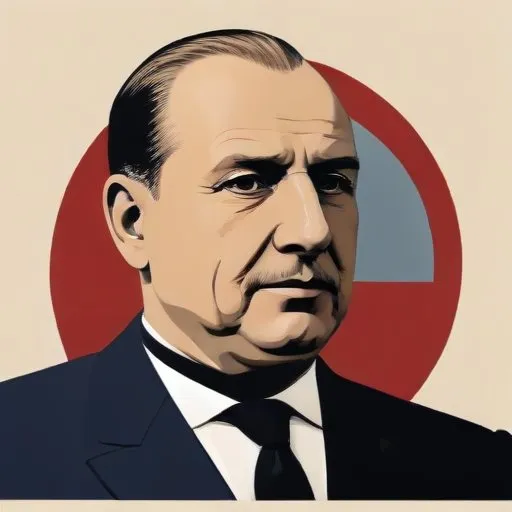
Charles Rolls: The Pioneering Spirit in Motoring and Aviation
A Legacy of Innovation and Tragedy
Charles Rolls, a British motoring and aviation pioneer, is best known for co-founding the iconic Rolls-Royce car manufacturing firm with
Henry Royce. Tragically, he became the first Briton to be killed in an aeronautical accident with a powered aircraft at the tender age of 32.
Early Life and Education
Born on August 27, 1877, in Berkeley Square, London, Rolls was the third son of the 1st Baron Llangattock of the Rolls family and Lady Llangattock. Despite his London birth, he retained a strong family connection with his ancestral home of The Hendre, near Monmouth, Wales. Rolls' educational pursuits took him to Mortimer Vicarage Preparatory School in Berkshire, Eton College, and later to Trinity College, Cambridge, where he studied mechanical and applied science.
Early Interest in Motoring
Rolls' fascination with engines earned him the nickname "dirty Rolls" during his time at Eton College. This early interest led him to travel to Paris in 1896, at the age of 18, to purchase his first car, a Peugeot Phaeton. This move made him one of the first car owners in Wales and among the first three car owners in Cambridge.
Career Highlights and Major Works
Rolls' contribution to the world of motoring was marked by his involvement in the Self-Propelled Traffic Association, which campaigned against the restrictions imposed on motor vehicles by the Locomotive Acts. He became a founder member of the Automobile Club of Great Britain, with which the Association merged in 1897. His talents lay more in salesmanship and motoring pioneering than practical engineering, leading him to work on the steam yacht Santa Maria and later at the London and North Western Railway in Crewe.
The Birth of Rolls-Royce
In 1904, Rolls met Henry Royce, and their partnership led to the creation of Rolls-Royce Limited in 1906. The company's first product, the Rolls-Royce 10 hp, was unveiled in 1904 at the Paris Salon. This marked the beginning of a legendary partnership that would change the face of motoring and aviation.
Aerial Pursuits and Tragic Demise
Rolls' enthusiasm for aviation led him to become a pioneer in this field as well. He was the first to fly the English Channel in a Wright Flyer, and his aerial exploits earned him numerous accolades. Tragically, on July 12, 1910, Rolls' life was cut short in an aeronautical accident when the tail of his Wright Flyer broke off during a flying display in Bournemouth.
Legacy and Impact
Despite his untimely death, Rolls' legacy continues to inspire and influence generations of engineers, entrepreneurs, and enthusiasts. His pioneering spirit in motoring and aviation paved the way for future innovations and advancements. The Rolls-Royce brand, now synonymous with luxury and excellence, remains a testament to Rolls' unwavering passion and dedication to his craft.
Personal Milestones and Key Life Events
- Won a Half Blue and became captain of the Cambridge University Bicycle Club in 1897
- Travelled to Paris to buy his first car, a Peugeot Phaeton, in 1896
- Became a founder member of the Automobile Club of Great Britain in 1897
- Graduated from Cambridge in 1898
- Met Henry Royce in 1904 and co-founded Rolls-Royce Limited in 1906
Influence on Modern Society
Rolls' contribution to the development of motoring and aviation has had a profound impact on modern society. His innovations have enabled the widespread adoption of motorized transportation, revolutionizing the way people live, work, and travel. The Rolls-Royce brand continues to symbolize excellence, innovation, and style, inspiring future generations of engineers, entrepreneurs, and enthusiasts.
FAQ
What was Charles Rolls role in the development of Rolls-Royce?
Charles Rolls was a co-founder of Rolls-Royce Limited, and his passion for engineering and innovation helped to drive the companys early success. He was instrumental in developing the companys first car, the Rolls-Royce 10 hp.
How did Charles Rolls interests in aviation influence Rolls-Royce?
Rolls passion for aviation led him to become a pioneer in British aviation. He was the first person to fly across the English Channel and back in 1909, and his interests in aviation helped to shape Rolls-Royces involvement in the industry.
What was Charles Rolls contribution to the development of the Rolls-Royce Merlin engine?
Rolls expertise in engineering and his passion for innovation contributed to the development of the Rolls-Royce Merlin engine, which powered many British aircraft during World War II. The Merlin engine became an iconic symbol of British engineering and played a crucial role in the Allied victory.
How did Charles Rolls death impact Rolls-Royce?
Rolls death in 1910, at the age of 32, was a significant blow to Rolls-Royce. His partner, Henry Royce, was devastated by the loss and struggled to come to terms with the companys future without Rolls. However, Royce continued to drive the company forward, and Rolls-Royce went on to become one of the worlds most iconic luxury car brands.
What legacy did Charles Rolls leave in the fields of engineering and aviation?
Rolls legacy is one of innovation and pioneering spirit in engineering and aviation. He helped to establish Rolls-Royce as a leader in the automotive and aerospace industries, and his contributions to the development of the Merlin engine remain a testament to his genius and dedication to excellence.