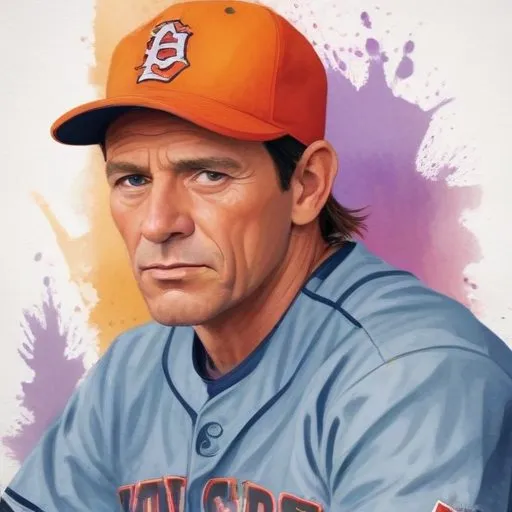
Chief Bender: The Unrelenting Pitcher and Pioneering Legend
A Lasting Impact on Major League Baseball
Chief Bender, born Charles Albert Bender, left an indelible mark on the world of baseball. As a professional pitcher, he played in the early 20th century, notching an impressive 212-127 win-loss record and a career 2.46 ERA.
Early Life and Education
Born on May 5, 1884, in Crow Wing County, Minnesota, Bender was a member of the Ojibwe tribe. His father, a German, and his mother, part Chippewa, instilled in him a strong work ethic, teaching him to farm on the White Earth Indian Reservation. Bender attended Carlisle Indian Industrial School and later studied at Dickinson College.
Rise to Prominence
Bender debuted in the major leagues in 1903, showcasing his exceptional talent. At just 19, he threw over 200 innings, a feat achieved by only a few pitchers in the 20th century. His impressive performance earned him a spot on the Philadelphia Athletics, where he would go on to win 18 games in his first season.
Achievements and Accolades
- In 1911, Bender tied a record by pitching three complete games in a single World Series.
- He finished his career with a .625 winning percentage and a career 2.46 ERA.
- Bender was elected to the Baseball Hall of Fame in 1953.
Post-Playing Career
After retiring from playing, Bender went on to assume various roles in baseball, including:
- Major league coach
- Minor league manager and player-manager
- College manager
- Professional scout
Personal Milestones and Key Life Events
- Bender met his future wife, Marie, in 1903.
- He graduated from Carlisle Indian Industrial School and attended Dickinson College.
Historical Context and Legacy
Bender's remarkable career spanned over a decade, during which he faced some of the greatest players in the game, including Cy Young. His achievements paved the way for future generations of Native American baseball players.
Trivia and Fun Facts
- Bender's native name, Mandowescence, translates to "Little Spirit Animal" in English.
- He was one of the first Native American players in Major League Baseball.
Influence on Modern Society
Chief Bender's legacy extends beyond the baseball diamond. He remains an inspiration to Native American communities and a testament to the power of perseverance and dedication.
Remembered as a pitching legend and trailblazer, Chief Bender's impact on baseball and beyond continues to be felt to this day.
FAQ
What was Charles Albert Benders baseball career like?
Charles Albert Bender, also known as Chief Bender, was a Hall of Fame pitcher who played for the Philadelphia Athletics and other teams from 1903 to 1925. He won 212 games and lost 127, with a career ERA of 2.46.
How did Chief Benders Native American heritage impact his career?
Chief Benders Native American heritage, as a member of the Ojibwe tribe, often led to racial stereotyping and prejudice. However, he used his platform to challenge these stereotypes and advocate for greater understanding and respect.
What were some of Chief Benders most notable pitching accomplishments?
Chief Bender pitched a no-hitter in 1910 and was a key member of the Athletics pitching staff during their World Series championship seasons in 1910, 1911, and 1913. He was known for his curveball and control.
How did Chief Bender transition to coaching and scouting?
After retiring as a player, Chief Bender went on to coach and scout for several teams, including the Athletics and the Baltimore Orioles. He was known for his ability to develop young pitchers and was respected by his peers.
What was Chief Benders legacy in baseball history?
Chief Benders legacy in baseball history is that of a pioneering Native American player who overcame racism and stereotyping to achieve greatness. He was a trailblazer for future generations of Native American baseball players and a testament to the power of perseverance and hard work.