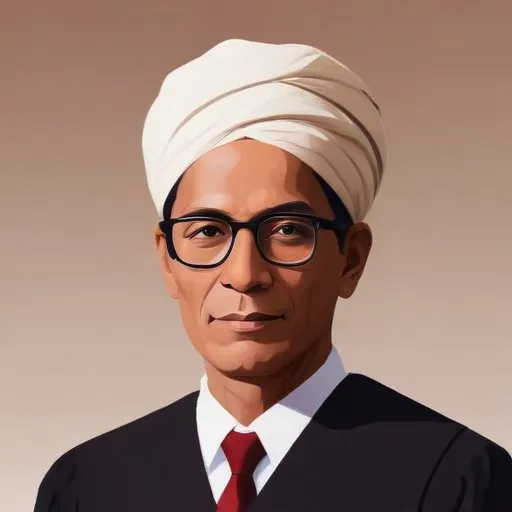
Choor Singh: The Pioneering Singaporean Judge and Philanthropist
A Trailblazer in Law and Sikhism
Choor Singh, a Singaporean lawyer, judge, and writer, left an indelible mark on the legal landscape of Singapore and the global Sikh community. He is renowned for being the first Indian to hold the position of magistrate in colonial Malaya and for his contributions to Sikh literature and education.
Early Life and Education
Born on January 19, 1911, in Kotteh, Punjab, India, Choor Singh migrated to Singapore at the tender age of four. He excelled academically, topping his class at Raffles Institution in 1929. After working as a clerk in a law firm and a civil servant in the Official Assignees office, he was encouraged by James Walter Davy Ambrose, a High Court Judge, to pursue law studies.
Rise to Judicial Prominence
Choor Singh enrolled as an external student at the University of London, passing the matriculation and intermediate LL.B. examinations. In 1948, he was appointed a coroner, and the following year, he became the first Indian magistrate in colonial Malaya. After completing his law studies at Grays Inn on a government scholarship, he was called to the Bar in 1955. His meteoric rise continued with appointments as a district judge in 1960 and a judge of the Supreme Court in 1963.
Landmark Judgments and Legacy
Choor Singh's criminal judgments are particularly notable, including the landmark case where he imposed the death penalty on a woman, a first for a Singaporean judge. His commitment to upholding justice and fairness earned him a reputation as a fearless and impartial jurist.
Philanthropy and Sikhism
Following his retirement from the bench in 1980, Choor Singh dedicated himself to philanthropic pursuits, focusing on education and Sikh causes. He was a founder and patron of the Singapore Khalsa Association, established in 1931, and served as honorary chairman of its board of trustees. He authored several books on Sikhism, cementing his legacy as a prominent Sikh scholar and community leader.
Awards and Honors
In 1994, the Sikh community conferred its highest honor upon Choor Singh by inviting him to lay the foundation stone for the new Gurdwara Sahib building at the Gurdwara Khalsa Dharmak Sabha.
Personal Milestones and Key Life Events
- 1911: Born in Kotteh, Punjab, India
- 1929: Completed secondary education at Raffles Institution
- 1948: Appointed coroner
- 1949: Became the first Indian magistrate in colonial Malaya
- 1955: Called to the Bar
- 1960: Appointed district judge
- 1963: Appointed judge of the Supreme Court
- 1980: Retired from the bench
- 1994: Laid the foundation stone for the new Gurdwara Sahib building
- 2009: Passed away on March 31
Impact on Modern Society
Choor Singh's trailblazing achievements have inspired generations of Sikhs and jurists, paving the way for greater diversity and representation in the legal profession. His commitment to education and philanthropy has Improved the lives of countless individuals, leaving a lasting impact on Singaporean society.
FAQ
What was Choor Singhs legal career like?
Choor Singh was an Indian-Singaporean lawyer and judge who had a distinguished legal career, serving as a judge on the Supreme Court of Singapore and later as the President of the Singapore International Arbitration Centre.
What was Choor Singhs most notable legal case?
Choor Singhs most notable legal case was the 1963 trial of Lee Kuan Yew, in which he defended the future Prime Minister of Singapore against charges of illegal assembly.
What was Choor Singhs role in the development of Singaporean law?
Choor Singh played a significant role in the development of Singaporean law, particularly in the 1960s and 1970s. He was a key figure in the establishment of the Singapore Academy of Law and helped to shape the countrys legal system.
What awards did Choor Singh receive for his legal career?
Choor Singh received several awards for his legal career, including the Public Service Star in 1965 and the Meritorious Service Medal in 1975.
How did Choor Singhs Indian heritage influence his legal career?
Choor Singhs Indian heritage had a significant impact on his legal career. He often drew on his experiences as a member of the Indian diaspora in Singapore to inform his approach to justice and his role in shaping the countrys legal system.