


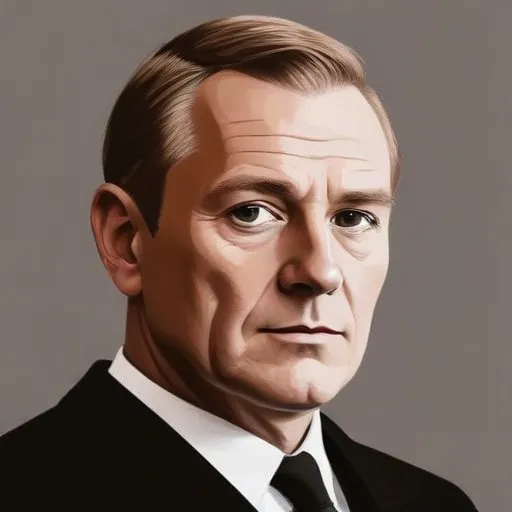
A Danish lawyer and politician who served as the 10th Prime Minister of Denmark, known for his role in shaping the country's politics and economy during the late 19th century.
Christian Emil Krag-Juel-Vind-Frijs, a Danish nobleman and politician, is best known for serving as the Council President of Denmark from 1865 to 1870, leading the Frijs Cabinet and shaping the country's political landscape for decades to come. This prominent statesman is celebrated for his instrumental role in introducing reforms, expanding the influence of farmers, and navigating Denmark through the tumultuous period surrounding the Franco-Prussian War.
Frijs began his academic journey at Sorø Academy, where he graduated in 1835. He later pursued law studies, earning his cand.jur. degree in 1842. This solid educational foundation prepared him for a distinguished career in politics, which he embarked upon in the 1850s.
Following the 1864 war, Frijs played a crucial role in the internal debate surrounding a new constitution. His leadership and vision led to his appointment as prime minister in 1865, marking the beginning of the conservative party Højre's rule, which would last until 1901. During his tenure, he focused on widening the influence of farmers and initiating reforms to benefit the agricultural sector.
Frijs' cabinet oversaw several significant reforms, including the beginning of moor reclamation and the establishment of railroads. These initiatives not only modernized Denmark's infrastructure but also paved the way for the country's economic growth.
In 1870, Frijs skillfully navigated Denmark's neutrality during the Franco-Prussian War, ensuring the country's non-participation in the conflict. This diplomatic achievement solidified his reputation as a shrewd and effective statesman.
Frijs' son, Count Mogens Krag-Juel-Vind-Frijs, would later follow in his father's footsteps, becoming an outstanding liberal-conservative politician in his own right. The younger Frijs' work would lay the groundwork for the modern conservative party, further cementing the family's impact on Danish politics.
Frijs' conservative ideology was rooted in his commitment to strengthening the agricultural sector and promoting the interests of farmers. His leadership style emphasized gradual reform, fiscal responsibility, and a strong sense of national identity.
Christian Emil Krag-Juel-Vind-Frijs' contributions to Danish politics and society continue to resonate today. His reforms, diplomatic achievements, and commitment to the conservative cause have left an indelible mark on the country's history, earning him a revered place among Denmark's most notable statesmen.
Born in 1812
A 19th-century Danish leader who served as Prime Minister of Denmark, known for his efforts to reform the country's constitution and strengthen its economy. He played a key role in shaping Denmark's modern political landscape.
Born in 1839
A 19th-century Danish prime minister who served from 1909 to 1910 and played a key role in the country's transition to a parliamentary system. He's also known for his efforts to reform the Danish constitution.
Born in 1873
A Danish union leader and politician who served as the 24th Prime Minister of Denmark, known for implementing social and economic reforms that transformed the country's welfare state. He's credited with establishing a mixed economy and creating a comprehensive social security system.
