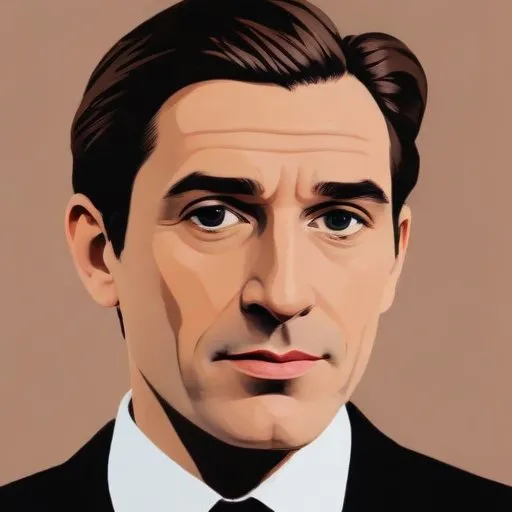
Christopher Booker: The Renowned Journalist and Author
A Founder of Private Eye and Fearless Critic
Christopher Booker is best known as the founder and first editor of the satirical magazine Private Eye in 1961, and for his bold and contrarian columns in The Sunday Telegraph, where he wrote from 1990 until his passing in 2019. Throughout his career, Booker has been recognized for his unflinching criticism of established institutions and his willingness to challenge conventional wisdom.
Early Life and Education
Born on October 7, 1937, Booker was educated at Dragon School, Shrewsbury School, and Corpus Christi College, Cambridge, where he read History. His early interest in journalism led him to write jazz reviews for The Daily Telegraph while still at university.
Career Highlights
- Founder and first editor of Private Eye in 1961
- Columnist for The Sunday Telegraph from 1990
- Resident political scriptwriter on the BBC satire show That Was The Week That Was in 1962
- Published several books, including The Neophiliacs: A Study of the Revolution in English Life in the Fifties and Sixties (1969) and The Real Global Warming Disaster (2009)
Philosophical Contributions and Beliefs
Booker's writing often reflected his skepticism of authority and his commitment to individual freedom. He was a vocal critic of the European Union and wrote extensively on the topic, collaborating with Richard North on several publications. In his later years, he also challenged the scientific consensus on issues like global warming and passive smoking.
Influence on Modern Society
Through his work at Private Eye and in his columns, Booker played a significant role in shaping British satire and political commentary. His writing inspired generations of journalists and writers, and his commitment to holding those in power accountable remains an important part of his legacy.
Personal Milestones and Key Life Events
- Married to Emma Tennant, a novelist and journalist
- Had two children,lettice and Tom
- Passed away on July 3, 2019, at the age of 81
Quotes and Memorable Sayings
"The most useful definition of a Eurosceptic is someone who, on any given issue, tends to think that the EU's version is likely to be more silly, more expensive, and more damaging to our national interests than our own."
Throughout his life, Booker remained dedicated to his craft, and his writing continues to inspire and provoke readers. His fearlessness in the face of criticism and his commitment to challenging the status quo have cemented his place as one of the most important and influential journalists of his generation.
FAQ
What was Christopher Bookers role in British journalism?
Christopher Booker was a British journalist and author who worked as a columnist for The Sunday Telegraph and The Daily Mail. He was known for his contrarian views and his willingness to challenge conventional wisdom.
What were Christopher Bookers views on climate change?
Christopher Booker was a skeptic of climate change, arguing that the science was overstated and that the issue had been politicized. He wrote extensively on the topic, challenging the consensus view and earning both praise and criticism in the process.
How did Christopher Bookers experience as a columnist shape his views on politics and society?
Christopher Bookers experience as a columnist shaped his views on politics and society by providing him with a platform to challenge the status quo and to question the dominant narratives of the day. He used his column to critique political correctness, environmentalism, and other issues that he saw as threats to individual freedom and common sense.
What was Christopher Bookers approach to investigating and exposing scandals?
Christopher Bookers approach to investigating and exposing scandals was characterized by his meticulous research and his willingness to take on powerful institutions. He was known for his tenacity and his ability to dig deep into complex issues, often uncovering stories that others had missed.
What was Christopher Bookers legacy in British journalism?
Christopher Bookers legacy in British journalism is one of fearless inquiry and a commitment to challenging the establishment. He was a thorn in the side of those in power, and his work continues to inspire journalists and writers who value independence and integrity.