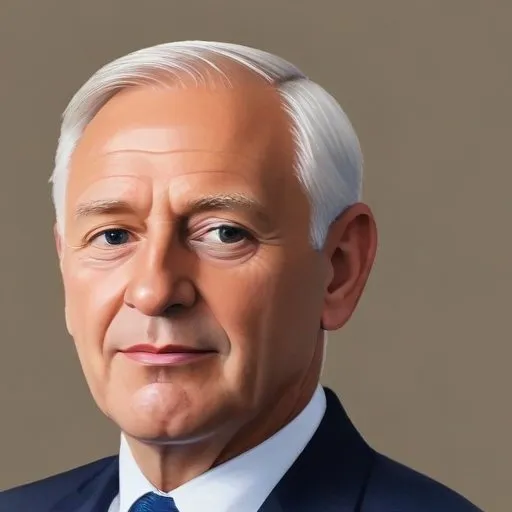
The Rise of Christopher Luxon: New Zealand's 42nd Prime Minister
Christopher Luxon, a name synonymous with New Zealand's political landscape, is known for his remarkable journey from the corporate world to the highest office in the land. As the 42nd Prime Minister of New Zealand, Luxon's leadership has been marked by a unique blend of business acumen and political savvy.
A Career Born in Commerce
Born on July 19, 1970, in Christchurch, Luxon grew up in Howick, East Auckland. He pursued a degree in commerce at the University of Canterbury, laying the foundation for a successful career in the corporate world. His professional journey began at Unilever in 1993, where he held various senior roles, including a stint as CEO of Unilever Canada in 2008.
Soaring to New Heights: Air New Zealand CEO
In 2011, Luxon joined Air New Zealand as Group General Manager, and his impressive leadership skills soon propelled him to the role of CEO in 2012. Under his stewardship, the airline navigated the complexities of the post-global financial crisis era, earning Luxon a reputation as a shrewd and effective leader.
From CEO to MP: A New Chapter
Luxon's foray into politics began with his selection as the National Party candidate for the safe seat of Botany in East Auckland in 2019. He won the seat in the 2020 general election, despite the National Party's landslide defeat nationwide. Luxon's maiden speech in Parliament marked the beginning of a new chapter in his life, as he became a prominent figure in New Zealand's political scene.
Rise to Leadership: Unopposed and Unstoppable
The National Party's leadership crisis in 2021 presented Luxon with an opportunity to take the reins. He won the leadership unopposed, becoming the seventh National Party leader in less than five years. Luxon's leadership has been marked by a focus on the COVID-19 recession and the cost-of-living crisis, critiquing the Labour Party's leadership and reorienting the National Party's approach.
A Election Victory and a New Era
The 2023 general election saw Luxon lead the National Party to victory, winning 15 seats and a plurality of 48. He was subsequently sworn in as Prime Minister on November 27, 2023, marking the beginning of the Sixth National Government.
A Leader's Legacy
As Prime Minister, Luxon's leadership will be judged on his ability to navigate the complex challenges facing New Zealand. His legacy will be shaped by his commitment to addressing the cost-of-living crisis, his approach to the COVID-19 pandemic, and his ability to unite the National Party and its supporters. One thing is certain – Christopher Luxon's rise to the top of New Zealand's political hierarchy is a testament to his vision, leadership, and unwavering dedication to his country.
Quote
"As a leader, you've got to be able to inspire people to want to follow you, and that's about painting a vision for the future that people want to be a part of." – Christopher Luxon
FAQ
What is Christopher Luxons background in politics?
Christopher Luxons background in politics is as a member of the New Zealand National Party. He has served as a member of Parliament and has held various ministerial roles, including Minister of Transport.
What is Christopher Luxons stance on economic policy?
Christopher Luxons stance on economic policy is to promote business growth and job creation. He has advocated for lower taxes, reduced regulation, and increased investment in infrastructure.
How did Christopher Luxon get his start in politics?
Christopher Luxon got his start in politics by working as a senior executive in the private sector. He eventually joined the National Party and was elected to Parliament in 2018.
What is Christopher Luxons approach to leadership?
Christopher Luxons approach to leadership is to focus on teamwork and collaboration. He has said that he believes in empowering individuals to make decisions and take ownership of their work.
What are Christopher Luxons thoughts on climate change?
Christopher Luxon has stated that he believes in the science of climate change and supports taking action to reduce greenhouse gas emissions. He has advocated for a balanced approach that takes into account economic and environmental considerations.