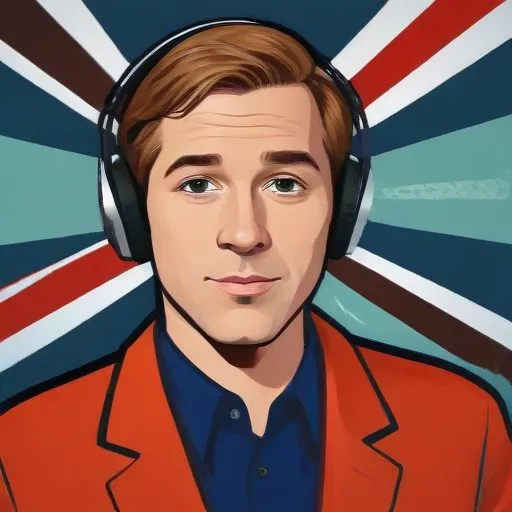
Christopher Stone: The Pioneer of Disc Jockeying
A Trailblazer in Radio Broadcasting
Christopher Stone, a British radio personality, is renowned for being the first disc jockey in the United Kingdom. Born on September 19, 1882, Stone paved the way for future generations of radio DJs with his innovative approach to music broadcasting.
Early Life and Career
Stone was the youngest son of Edward Daniel Stone, the assistant master of Eton College and founder of Stonehouse Preparatory School. He was educated at Eton and later served in the Royal Fusiliers. In 1906, Stone published a book of sea songs and ballads, showcasing his passion for music.
Breaking into Radio
In 1923, Stone wrote the history of his old regiment, demonstrating his writing skills. He then became the London editor of
The Gramophone, a magazine founded by his brother-in-law,
Compton Mackenzie. Stone's involvement with
The Gramophone sparked his interest in radio broadcasting, leading him to approach the BBC with an idea for a record program.
Pioneering Radio Personality
On July 7, 1927, Stone started playing records on air, pioneering the concept of disc jockeying in the UK. His relaxed, conversational style was a breath of fresh air in an era of formal BBC presentation, making his programs highly popular. Stone's signature style included wearing a dinner jacket and tie while presenting.
Radio Luxembourg and Controversy
In 1934, Stone joined Radio Luxembourg for a lucrative deal of 5,000 pounds a year, prompting the BBC to bar him from their network. This controversy did not deter Stone, who continued to thrive as a radio personality. He wrote a column reviewing new popular records for the
Sunday Referee newspaper and appeared in advertisements for Bush radio sets.
Kiddies Quarter Hour and Uncle Chris
In 1937, Stone presented the first daily children's program on commercial radio,
Kiddies Quarter Hour, on Radio Lyons. This program earned him the affectionate nickname "Uncle Chris."
Return to BBC and Royal Controversy
Stone rejoined the BBC, but his comeback was short-lived. In 1941, he caused a stir by wishing King Victor Emmanuel of Italy a happy birthday on air, sparking a row that led to the sacking of the BBC's Senior Controller of Programmes and increased government control over broadcasts.
Legacy and Impact
Stone was an avid record collector, amassing over 12,000 records by the mid-1930s. In 1957,
Melody Maker magazine praised his pioneering work, recognizing his significant contribution to the development of radio broadcasting. Today, Christopher Stone is remembered as a trailblazer in the world of disc jockeying, paving the way for future generations of radio personalities.
Personal Milestones and Key Life Events
- September 19, 1882: Born in the UK
- 1906: Published a book of sea songs and ballads
- 1923: Wrote the history of his old regiment
- 1927: Started playing records on air, becoming the first disc jockey in the UK
- 1934: Joined Radio Luxembourg
- 1937: Presented the first daily children's program on commercial radio, Kiddies Quarter Hour
- 1941: Caused controversy by wishing King Victor Emmanuel of Italy a happy birthday on air
- 1957: Praised by Melody Maker magazine for his pioneering work
- May 22, 1965: Passed away
Awards and Honors
Stone's contributions to radio broadcasting have been recognized and celebrated, cementing his legacy as a pioneer in the industry.
FAQ
What was Christopher Stones role in the development of British radio?
Christopher Stone was an English radio host and announcer who was one of the first voices on British radio. He was known for his smooth, authoritative tone and his ability to bring listeners into the world of radio.
What kind of programs did Christopher Stone typically host?
Stone hosted a wide range of programs, including music shows, news broadcasts, and drama performances. He was particularly known for his work on the BBCs Empire Service, which broadcast to listeners around the world.
What was Christopher Stones background before becoming a radio host?
Before becoming a radio host, Stone worked as an actor and a singer. He was classically trained and had a strong background in music and drama.
How did Christopher Stones hosting style influence the development of British radio?
Stones hosting style was characterized by his warm, engaging personality and his ability to put listeners at ease. His approach helped to establish the tone for British radio, and he became a beloved figure in British broadcasting.
What is Christopher Stones legacy in the world of radio?
Stones legacy is that of a pioneering radio host who helped to shape the development of British radio. He is remembered as one of the most iconic voices of his generation, and his influence can still be heard in many aspects of modern radio.