


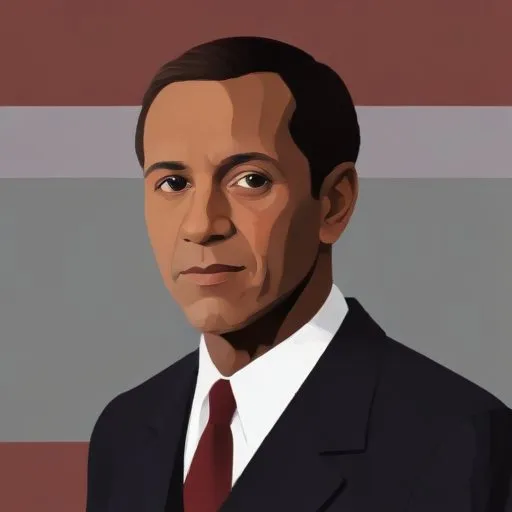
A lawyer and politician who served as a New York State Senator and was involved in notable cases, including the Scopes Trial. He was a strong advocate for education and academic freedom.
Clarence D. Rappleyea Jr., a renowned American lawyer and politician, left an indelible mark on the state of New York through his dedicated public service and unwavering commitment to his community. Best known for his illustrious career as a member of the New York State Assembly and Chairman of the New York Power Authority, Rappleyea's legacy continues to inspire and influence the lives of many.
Rappleyea was born on November 2, 1933, in Norwich, Chenango County, New York. He pursued his academic endeavors at Wagner College and later graduated with an A.B. from SUNY Albany in 1957. His passion for law led him to Cornell Law School, where he earned his J.D. in 1962. Admitted to the bar in 1964, Rappleyea began practicing law in Norwich, laying the foundation for his future political endeavors.
Rappleyea's entry into politics began with his election as City Attorney of Norwich, a position he held from 1970 to 1973. His commitment to public service soon led to his election as a member of the New York State Assembly, representing the 122nd district from 1973 to 1995. During his tenure, he served as Minority Leader from 1983 to 1995, earning a reputation as a skilled and dedicated leader.
In 1995, Rappleyea resigned from the Assembly to assume the role of Chairman of the New York Power Authority, a position he held until January 31, 2001. His leadership and vision during this period were instrumental in shaping the authority's policies and initiatives. In recognition of his contributions, the administrative head office of the Power Authority in White Plains was named the Clarence D. Rappleyea Building in January 2001.
Rappleyea's life was marked by a deep commitment to his family and community. He passed away on September 4, 2016, at the age of 82, leaving behind a rich legacy of public service and leadership.
Rappleyea's life and career serve as a testament to the power of dedicated public service and leadership. His contributions to the state of New York and its people continue to inspire and influence the lives of many, cementing his place in the annals of American political history.
Born in 1858
A pioneering leader who championed progressive reforms, trust-busting, and conservation, earning a Nobel Peace Prize for mediating the Russo-Japanese War. He's also famous for his rugged outdoorsmanship and "big stick" diplomacy.
Born in 1882
Led the United States through the Great Depression and World War II, implementing a series of reforms known as the New Deal and helping to establish the country as a global superpower.
Born in 1865
The 29th President of the United States, a journalist-turned-politician, led the country through a period of post-war prosperity and scandalous corruption. He's infamous for his administration's numerous scandals and his own extramarital affairs.
Born in 1872
The 30th President of the United States, a lawyer and politician, led the country through a period of economic prosperity and limited government intervention, earning the nickname "Silent Cal" for his frugal and humble nature. He's most known for his minimalist approach to governance and tax cuts.
Born in 1874
The 31st President of the United States was a humanitarian and politician who led the country through the Great Depression and is known for his humanitarian efforts and infrastructure development. He's also infamous for his inability to mitigate the economic crisis.
Born in 1890
Led the Allied forces to victory in World War II and later served as President, maintaining peace and prosperity during the Cold War era. He's known for his strategic leadership and diplomatic skills.
Born in 1884
The 33rd President of the United States, a strong leader who made tough decisions, including dropping atomic bombs on Japan and establishing the Marshall Plan to rebuild Europe after WWII.
Born in 1913
The 37th President of the United States, a polarizing figure who led the country through significant domestic and foreign policy changes, infamous for his involvement in the Watergate scandal.
