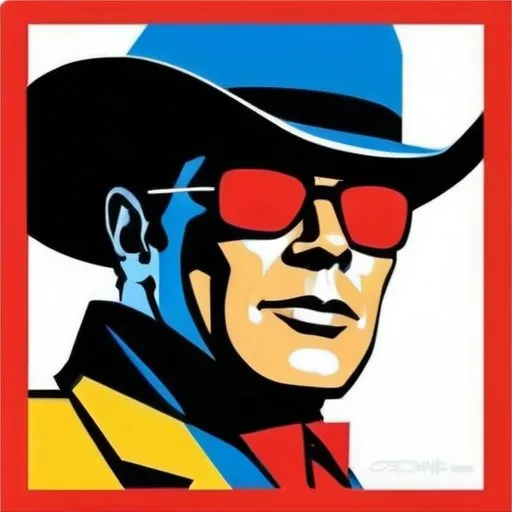
The Lone Ranger: Clayton Moore, the Iconic American Actor
The Legend Behind the Mask
Clayton Moore, best known for his iconic portrayal of the Lone Ranger, is a household name synonymous with American Western classics. From 1949 to 1952 and again from 1953 to 1957, Moore donned the legendary mask, bringing the fictional character to life on the small screen in the popular television series and two related films.
Early Life and Career
Born Jack Carlton Moore on September 14, 1914, in Chicago, Illinois, Moore was the youngest of three sons to Theresa Violet (née Fisher) and Charles Sprague Moore. His father, a real estate broker, supported the family, allowing them to maintain a relatively prosperous lifestyle. Moore's athletic prowess was evident from an early age, becoming a circus acrobat by the age of eight. He attended Stephen K. Hayt Elementary School, Sullivan Junior High School, and Senn High School, before moving to Hollywood in the late 1930s to pursue a modeling career.
Rise to Fame
Moore's successful modeling stint led to his introduction to Hollywood producer Edward Small, who persuaded him to adopt the stage name Clayton in 1940. This marked the beginning of his acting career, with roles in B Westerns and Republic Studio cliffhangers. During World War II, Moore enlisted in the U.S. Army Air Forces, serving with the First Motion Picture Unit, where he made training films, including the 1942 film
Target-Invisible, alongside actor Arthur Kennedy.
The Lone Ranger Legacy
Moore's breakout role as the Lone Ranger in 1949 catapulted him to stardom. His portrayal of the masked hero, alongside his trusty sidekick Tonto (played by
Jay Silverheels), captured the hearts of audiences worldwide. The show's success can be attributed to Moore's charismatic performance, which embodied the values of justice, honor, and camaraderie. The iconic duo's adventures, set against the backdrop of the American West, continue to inspire generations of fans.
Awards and Honors
Moore's contributions to the entertainment industry were recognized with a star on the Hollywood Walk of Fame in 1975. He was also inducted into the Western Performers Hall of Fame at the National Cowboy & Western Heritage Museum in Oklahoma City.
Philosophical Contributions and Beliefs
Moore's autobiography,
I Was That Masked Man, published in 1996, offers valuable insights into his philosophical beliefs. He emphasized the importance of maintaining a strong moral compass, citing the Lone Ranger's code as a guiding principle: "I believe that to have a friend, a man must be one."
Personal Milestones and Key Life Events
Moore was married three times: to Mary Francis Thompson-Tatum (married 1940-1942), Sally Allen (married 1943-1986), and Clarita Petrone (married 1986-1999). He had one child, Dawn Angela Moore, from his second marriage.
Historical Context and Legacy
Clayton Moore's legacy extends beyond his iconic portrayal of the Lone Ranger. As a symbol of American values, he inspired a generation of young people to embody the principles of justice, courage, and friendship. His influence can be seen in various adaptations and reinterpretations of the character, cementing his place in the pantheon of American pop culture icons.
Trivia and Fun Facts
- Moore was a prolific autograph signer, often wearing the Lone Ranger mask to fan events and conventions.
- He was an avid golfer and enjoyed participating in celebrity golf tournaments.
- In 1979, Moore sued the Wrather Corporation, producers of the Lone Ranger television series, for merchandising rights, eventually losing the lawsuit.
Impact on Pop Culture
The Lone Ranger's influence on popular culture is undeniable. From parodies in
The Simpsons and
Family Guy to references in music and literature, the character's iconic status continues to inspire creators and audiences alike. Moore's portrayal of the Lone Ranger has become synonymous with American Westerns, solidifying his place as a cultural icon.
Farewell to a Legend
Clayton Moore passed away on December 28, 1999, leaving behind a legacy that continues to captivate audiences worldwide. His iconic portrayal of the Lone Ranger remains an integral part of American pop culture, ensuring his memory will ride on forever.