


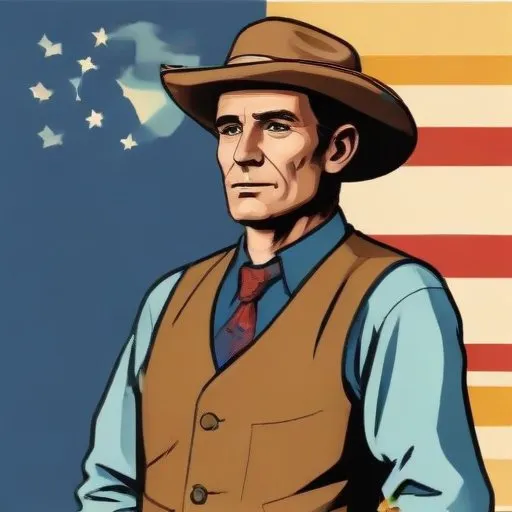
American merchant, farmer, and politician who played a significant role in the American Revolution, serving as a delegate to the Continental Congress and helping to draft the Declaration of Independence.
Cornelius Harnett, a champion of American independence, was a prominent Founding Father, politician, merchant, and plantation owner from Wilmington, North Carolina. He is renowned for his instrumental role in the Continental Congress, where he signed the Articles of Confederation, and his relentless fight against British tyranny.
Harnett's entry into politics began in 1750, when he was elected Wilmington town commissioner. His impressive leadership skills earned him an appointment as a justice of the peace for New Hanover County by Governor Gabriel Johnston. He went on to represent Wilmington in the Province of North Carolina House of Burgesses in 1754 and 1775.
In 1765, Harnett became the chairman of the Sons of Liberty, a group of brave patriots who defied British rule. He played a pivotal role in resisting the Stamp Act, a move that sparked widespread protests across the colonies.
In 1777, Harnett was chosen as a delegate to the Continental Congress, where he worked alongside other prominent figures like George Washington and Thomas Jefferson. His tireless efforts helped shape the course of American history, and he proudly signed the Articles of Confederation in 1778.
Away from politics, Harnett was a devoted husband to Mary Holt and a loving father. The couple lived on their plantation, Poplar Grove, in Scotts Hill, north of Wilmington. Despite the demands of public life, Harnett maintained a strong bond with his family through letters, showcasing his commitment to his personal relationships.
In January 1781, British forces occupied Wilmington, and Harnett was captured and brutally treated. He was thrown across a horse like a sack of meal, leading to a steep decline in his health. Despite being released on parole, his condition worsened, and he passed away on April 20, 1781, leaving behind a legacy of courage and sacrifice.
Harnett's contributions to American independence and his leadership during the Revolutionary War have left an indelible mark on American history. Today, Harnett County, North Carolina, is a testament to his enduring legacy. His story serves as a powerful reminder of the bravery and determination that shaped the nation.
Though his life was cut short, Cornelius Harnett's impact on American history is a shining beacon, inspiring generations to fight for freedom and justice.
Harnett's remarkable journey serves as a testament to the power of dedication, perseverance, and courage in the face of adversity. His legacy continues to inspire Americans to this day, reminding us of the importance of fighting for our rights and freedoms.
Born in 1915
An American actor who played memorable roles in classic films and TV shows, including the iconic Rebel Without a Cause and Perry Mason series.
Born in 1917
Developed electrospray ionization, a technique used to analyze large molecules, earning the Nobel Prize in Chemistry in 2002. This breakthrough enabled the mass spectrometry analysis of biological molecules, revolutionizing fields like proteomics and medicine.
Born in 1846
A Nigerian priest and historian who wrote the first comprehensive history of the Yoruba people, providing valuable insights into their culture and traditions.
Born in 1725
A New Jersey delegate to the Continental Congress, he signed the Declaration of Independence and fought for American independence from Britain. He's also known for his advocacy for the rights of common people.
86 Years Old
A renowned actor with a distinctive voice, known for iconic roles in sci-fi classics like Alien and Doctor Who.
