


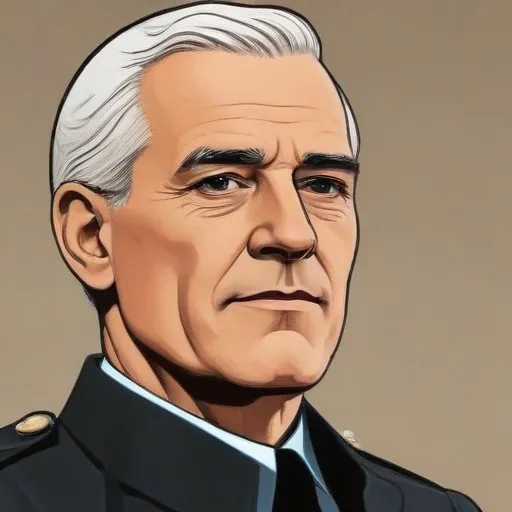
A Civil War hero and governor, he led Minnesota through Reconstruction and advocated for education and infrastructure development. He's remembered for his progressive policies and commitment to public service.
Cushman Kellogg Davis, a stalwart figure in American politics, is revered for his unwavering dedication to public service and his instrumental role in shaping the United States' foreign policy during the late 19th century. As a former Senator, Governor, and Ambassador, Davis left an indelible mark on the nation's diplomatic landscape.
Born on June 16, 1838, in Henderson, New York, Davis was instilled with a strong sense of civic duty from a young age. He pursued his passion for law, graduating from the University of Michigan in 1857, and subsequently established a thriving practice in Waukesha, Wisconsin.
Davis's entry into politics was marked by his election to the Wisconsin State Assembly in 1862. His diplomatic prowess and unwavering dedication to his constituents earned him successive terms in the Assembly and later, in the United States Senate, where he served from 1881 to 1883.
As Senator, Davis championed the rights of laborers, advocated for agricultural interests, and played a crucial role in the formulation of the country's foreign policy. His diplomatic acumen was further demonstrated during his tenure as Governor of Minnesota from 1893 to 1895, where he navigated the state through a period of economic turmoil.
In 1898, Davis was appointed as the United States Ambassador to the United Kingdom, a position he held until 1902. During his tenure, he navigated the complexities of Anglo-American relations, fostering improved diplomatic ties and paving the way for increased cooperation between the two nations.
Upon his return to the United States, Davis continued to engage in public life, serving as a delegate to the 1904 Republican National Convention and as a member of the Executive Committee of the Republican National Committee.
Davis's personal life was marked by a deep sense of loyalty and dedication to his family. He married Anna Elizabeth Clifford in 1863, and the couple had three children together. Throughout his life, Davis remained committed to his community, serving as a trustee of the University of Minnesota and as a member of the board of directors of the Minnesota Historical Society.
Cushman Kellogg Davis's unwavering commitment to public service has left an enduring impact on American politics and diplomacy. His dedication to the principles of democracy, his diplomatic prowess, and his ability to navigate complex international relations have cemented his place as one of the most esteemed statesmen of his era.
Today, Davis's legacy serves as a beacon of inspiration to those who aspire to serve their country with honor and integrity. His life's work stands as a testament to the power of dedication, perseverance, and a steadfast commitment to the principles of democracy.
| 1838 | Born in Henderson, New York |
| 1857 | Graduated from the University of Michigan |
| 1862 | Elected to the Wisconsin State Assembly |
| 1881-1883 | Served as United States Senator |
| 1893-1895 | Served as Governor of Minnesota |
| 1898-1902 | Served as United States Ambassador to the United Kingdom |
