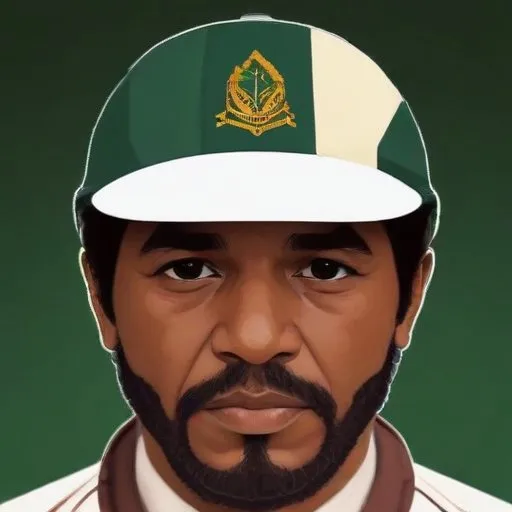
Cyril Vincent: The South African Cricket Legend
A Cricketing Icon of the 1920s and 1930s
Cyril Vincent, born on February 16, 1902, is famously known for his exceptional cricketing skills, which earned him a spot in 25 Test matches between 1927 and 1935, representing South Africa. This remarkable feat cemented his position as one of the most prominent cricketers of his time.
Early Life and Cricketing Career
Born in South Africa, Vincent's cricketing journey began at a young age, and his talent soon caught the attention of selectors. He made his debut in first-class cricket in 1922 and went on to play for Natal and Transvaal. Vincent's impressive performance on the field earned him a call-up to the South African national team, where he made his Test debut against England in 1927.
Achievements and Highlights
Throughout his cricketing career, Vincent achieved several notable milestones. Some of his most significant accomplishments include:
- Playing 25 Test matches for South Africa between 1927 and 1935
- Scoring over 1,800 runs in Test cricket, with a highest score of 137
- Taking 48 wickets in Test cricket, with a best bowling figure of 6/51
- Serving as chairman of the South African selectors after his retirement from cricket
Legacy and Impact
Cyril Vincent's contribution to South African cricket is still remembered and celebrated today. His impressive cricketing career and subsequent role as chairman of the selectors have inspired generations of cricketers. Vincent's legacy extends beyond the cricketing field, as he played a significant role in promoting the sport in South Africa during a time when it was still developing.
Personal Life and Later Years
Vincent passed away on August 24, 1968, leaving behind a rich legacy in the world of cricket. His personal life was marked by simplicity and humility, and he remained an down-to-earth individual throughout his life.
Conclusion
Cyril Vincent's remarkable cricketing career and his subsequent role as chairman of the selectors have cemented his place as one of South Africa's most celebrated cricketers. His achievements on and off the field continue to inspire generations of cricketers, and his legacy remains an integral part of South African cricketing history.
FAQ
What was Cyril Vincents sporting achievement?
Cyril Vincent was a South African cricketer who made his debut for the national team in 1927. He took 84 wickets in 25 Test matches and was considered one of the top bowlers of his era.
What was Cyril Vincents role in the South African cricket team?
Cyril Vincent was a key member of the South African cricket team during the 1920s and 1930s. He played alongside other legendary players, including Herbie Taylor and Buster Nupen.
How did Cyril Vincents bowling style contribute to the teams success?
Cyril Vincents bowling style, which combined pace and swing, was a key factor in the South African teams success during the inter-war period. He was particularly effective on the countrys pitches, which were often dry and dusty.
What was Cyril Vincents impact on South African cricket?
Cyril Vincents impact on South African cricket was significant, as he helped to establish the team as a major force in international cricket. He was a role model for future generations of cricketers.
What is Cyril Vincents legacy in cricket history?
Cyril Vincents legacy in cricket history is that of a talented and skilled bowler who made lasting contributions to the sport. His name is still revered in South Africa and around the world.