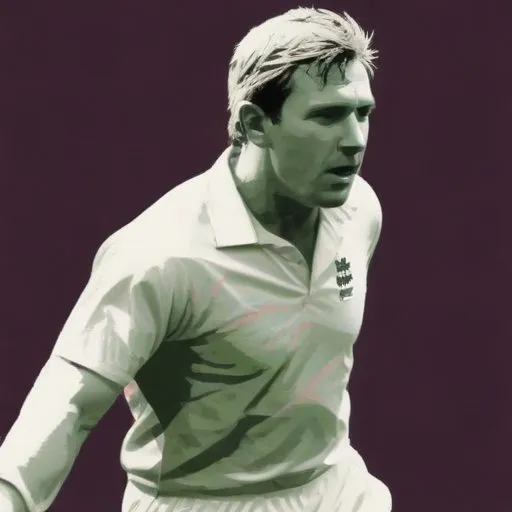
Cyril Walters: The Cricketing Maestro Who Dazzled and Disappeared
A Brief but Brilliant Career
Cyril Frederick Walters, a Welsh cricketer, left an indelible mark on the sport with his remarkable batting skills, only to abandon his career at the peak of his success. Born on August 28, 1905, in Bedlinog, Glamorgan, Wales, Walters would go on to become a stalwart of Worcestershire cricket, earning him a coveted spot in the England team.
Rise to Prominence
Walters' cricketing journey began at the tender age of 17, when he made his debut for Glamorgan in 1923. Although his early performances were lukewarm, his dedication and passion for the game eventually earned him recognition. A phenomenal improvement in his batting, coupled with his energetic fielding, made him an indispensable member of the Glamorgan team. His breakthrough innings came in 1926, when he scored 116 against Warwickshire and 114 against Leicestershire, showcasing his classically graceful batting style.
The Worcestershire Era
In 1928, Walters took on the role of secretary to Worcestershire, a position that would not only shape his cricketing career but also transform the fortunes of the county team. As captain of Worcestershire, Walters led the team from the doldrums to respectability, scoring over 1,500 runs in 1932, including a impressive 190 against Warwickshire.
England Calling
Walters' remarkable performances for Worcestershire earned him a call-up to the England team. He made his debut in 1933 and went on to play several matches, even captaining the team in one instance, as a deputy for Bob Wyatt.
The Mysterious Abandonment
In a shocking turn of events, Walters abruptly quit cricket in 1934, leaving fans and teammates perplexed. The exact reasons behind his decision remain unknown, but his sudden disappearance from the cricketing scene has been the subject of much speculation.
Legacy
Cyril Walters' brief but glittering career left an indelible mark on cricket. His elegant batting style and infectious enthusiasm on the field continue to inspire generations of cricketers. Though his decision to abandon the sport at the peak of his success remains a mystery, Walters' contributions to the world of cricket are undeniable.
- Major Works: Worcestershire's rise to prominence in the 1930s, England debut in 1933
- Personal Milestones: Scoring 116 against Warwickshire, 114 against Leicestershire, and 190 against Warwickshire
- Philosophical Contributions: His sudden departure from cricket has sparked discussions on the fleeting nature of success and the importance of personal fulfillment
Trivia and Fun Facts
- Walters was educated at Neath Grammar School.
- He worked as a surveyor and architect before taking up cricket full-time.
- Walters' mysterious abandonment of cricket has been the subject of much speculation, with some attributing it to personal reasons or a loss of passion for the game.
FAQ
What was Cyril Walters most significant achievement in cricket?
Cyril Walters was a Welsh-English cricketer who played for Glamorgan and England. He was a skilled all-rounder who took over 1,000 wickets and scored over 20,000 runs in his first-class career.
How did Cyril Walters playing style influence Glamorgan cricket?
Walters playing style, which emphasized aggressive batting and clever spin bowling, influenced a generation of Glamorgan cricketers. He was known for his ability to take wickets on any surface and his leadership on the field.
What was Cyril Walters role in Glamorgans 1948 Championship win?
Walters was a key member of the Glamorgan team that won the County Championship in 1948, taking 133 wickets and scoring over 1,000 runs in the season.
How did Cyril Walters contribute to cricket coaching and administration?
Walters went on to become a respected coach and administrator, serving as coach of the English national team and president of the Marylebone Cricket Club.
What is Cyril Walters legacy in Welsh cricket?
Cyril Walters is remembered as one of the greatest Welsh cricketers of all time, a true legend of the sport. His contributions to Glamorgan cricket and his leadership on the field inspired generations of Welsh cricketers.